


Everything You Need to Know About Chinook Wind HVAC Stress
Why Chinook Wind Events Stress HVAC Systems in Northern Colorado
How chinook wind events cause rapid temperature swings that stress HVAC systems in northern Colorado is one of the most overlooked weather challenges facing homeowners along the Front Range. When a Chinook rolls in, temperatures can jump 20 to 40°F in just a few hours — and your heating and cooling equipment bears the brunt of every degree of that change.
Here's the short answer:
• Chinook winds form when air flows east over the Rockies, loses moisture on the western slopes, then warms rapidly as it compresses while descending toward the Front Range
• Temperatures can spike dramatically — in Boulder, they rose nearly 30°F in a single hour on February 5, 2025
• Your HVAC system scrambles to keep up, cycling on and off repeatedly as indoor and outdoor temperatures swing wildly
• Key components wear out faster — blower motors, limit switches, igniters, and compressors all take extra stress during these rapid shifts
• Extreme dryness from Chinook winds drops indoor humidity, increases dust infiltration, and clogs air filters faster than normal
• The result is higher energy bills, more frequent breakdowns, and shorter equipment lifespan for unprepared systems
If you live in Fort Collins, Loveland, Greeley, or anywhere along Colorado's Front Range, your HVAC system faces this cycle every winter and spring. Understanding what's happening — and why — is the first step toward protecting your home comfort and your equipment investment.
What Are Chinook Winds and How Do They Form?
Chinook winds are a localized type of "foehn wind"—a downslope, warm, dry wind that occurs on the leeward (sheltered) side of major mountain ranges. For those of us living in Northern Colorado cities like Fort Collins, Loveland, and Windsor, these winds are a regular, if exhausting, part of our winter and spring weather patterns.
The birth of a Chinook wind begins thousands of miles away as moist air masses travel eastward from the Pacific Ocean. When this air hits the western slopes of the Rocky Mountains, it is forced upward in a process known as orographic lift. As the air rises, it cools and condenses, dumping its moisture as heavy snow and rain on the western slopes (the windward side).
Once the air crosses the mountain peaks and begins its descent down the eastern leeward slopes toward the Front Range, the magic—and the trouble—begins. Because the air lost its moisture on the other side of the mountains, it is now incredibly dry. As this dry air plunges down the steep eastern slopes, it is subjected to intense atmospheric compression. Under the weight of the atmosphere at lower elevations, the air compresses and warms rapidly. This process, known as adiabatic warming, causes the air to heat up at a rate of approximately 5.5°F for every 1,000 feet it descends.
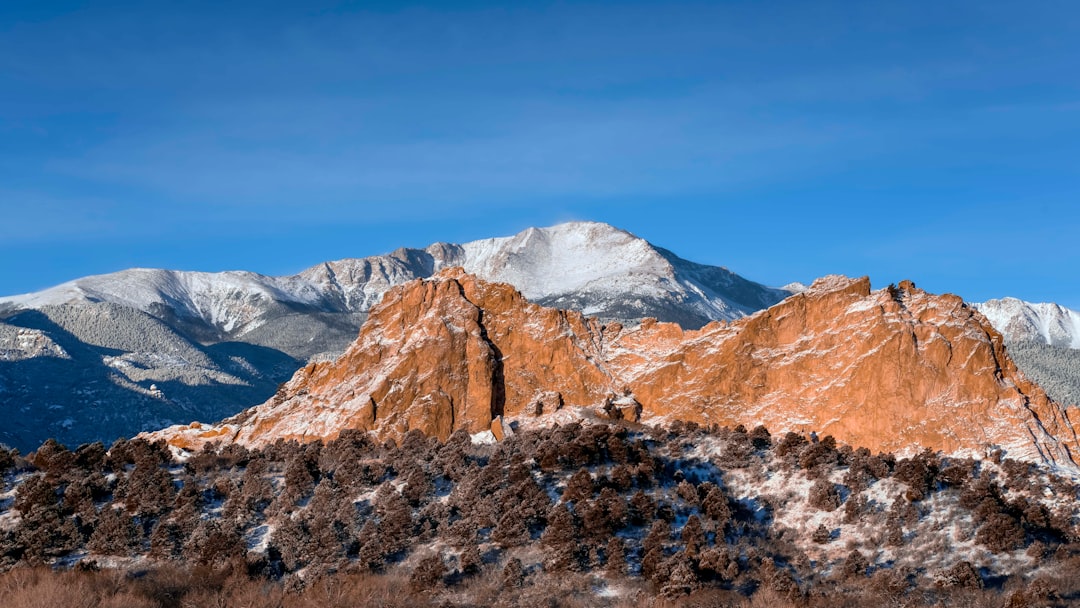
By the time this air reaches Front Range communities like Wellington and Severance, it is warm, exceptionally dry, and moving fast. These events are often accompanied by striking, smooth-looking lenticular clouds (often called a "Chinook arch") hovering over the mountains, signaling that high-velocity winds are active just above us. When these winds finally mix down to the surface, they can instantly displace cold Arctic air masses, triggering massive temperature jumps that put immediate stress on residential Heating systems.
Meteorological Records of Rapid Temperature Jumps
To fully appreciate the sheer power of Chinook-driven temperature swings, we can look at historical meteorological records. While Northern Colorado experiences highly dramatic shifts, the broader region holds some of the most extreme weather records on Earth:
• Spearfish, South Dakota (January 22, 1943): The temperature rose an unbelievable 49°F—from -4°F to 45°F—in just two minutes. Later that morning, the temperature plummeted 58°F back down to -13°F in only 27 minutes as the wind shifted.
• Loma, Montana (January 14–15, 1972): Loma holds the official U.S. weather record for the greatest 24-hour temperature change. Driven by a Chinook event, the temperature skyrocketed 103°F, rising from a bone-chilling -54°F to a mild 49°F.
• Great Falls, Montana (January 1980): A Chinook wind event caused the temperature to jump 47°F (from -32°F to 15°F) in just seven minutes.
• Lethbridge, Alberta (January 1962): Temperatures surged 74°F, rising from -2°F to 72°F.
• Pincher Creek, Alberta (January 6, 1966): The area recorded a 45.9°F temperature rise (from -23.2°F to 2.2°F) in a single hour.
• Boulder, Colorado (February 5, 2025): Temperatures jumped nearly 30 degrees, rising from 28°F to 57°F in just one hour, while nearby Longmont spiked from 32°F to 61°F in the same timeframe.
These record-setting events highlight how quickly a localized climate can pivot. When these massive shifts occur right here in our service areas, your home comfort systems have to react instantly.
How Chinook Wind Events Cause Rapid Temperature Swings That Stress HVAC Systems in Northern Colorado
The primary reason how chinook wind events cause rapid temperature swings that stress HVAC systems in northern colorado comes down to the sudden, extreme operational shifts required of your equipment.
Imagine it is a freezing January morning in Greeley or Johnstown. Your furnace has been running steady, keeping your home a cozy 70°F while it is 15°F outside. Suddenly, a Chinook wind sweeps down the mountains. Within an hour, the outdoor temperature leaps to 55°F.
This rapid warming causes immediate thermostat confusion. Your heating system, which was prepared for a long, steady cycle of cold-weather heating, suddenly finds itself in a warm environment. The thermostat satisfies quickly, shutting the system down. However, because Chinook winds are notoriously gusty and turbulent, they create microclimates around your home. Cold drafts from high winds can hit your home’s exterior, causing the indoor temperature to drop rapidly in drafty rooms, prompting the thermostat to call for heat again just minutes after shutting off.
This rapid on-and-off cycling—known as short cycling—prevents your system from running its designed, efficient cycles. Furthermore, during spring or late autumn Chinooks, temperatures can rise high enough that homeowners actually switch their systems from heating to Air Conditioning within the same 24-hour period. This dual-demand cycle subjects the entire system to intense physical and electrical strain.
Understanding How Chinook Wind Events Cause Rapid Temperature Swings That Stress HVAC Systems in Northern Colorado
To understand the mechanical toll of these swings, we have to look at the physical properties of air at high altitudes. In Northern Colorado, our elevation significantly impacts how HVAC equipment performs. At our elevation, air density is roughly 20% lower than it is at sea level.
Because the air is thinner, it contains less mass to transfer heat. Standard residential furnaces lose about 4% of their heating capacity for every 1,000 feet of elevation gain. This means a furnace in Timnath or Berthoud is already working harder to move heat through your home than the exact same model installed at sea level.
When a Chinook wind event occurs, it brings rapid barometric pressure changes and extreme turbulence. The combination of lower air density and sudden, massive temperature swings forces your system to adapt to changing heat-load requirements instantly. Heat pumps, in particular, face unique challenges. While a modern heat pump is highly efficient, rapid temperature drops following a Chinook event can force the system to rely heavily on expensive auxiliary heat strips. To learn more about how these systems fare in our climate, check out our guide on Should Your Home Have a Heat Pump.
The Impact of Extreme Dryness and Dust Infiltration
The stress of a Chinook wind isn't limited to temperature alone; humidity and air purity play massive roles. Because Chinook winds lose their moisture on the western side of the Rockies, they arrive on the Front Range with extremely low relative humidity.
This drop in humidity rapidly dries out the indoor air in your home. Low indoor humidity increases the presence of static electricity, which causes household dust, pet dander, and lint to cling more readily to your walls, carpets, and—most importantly—your return air vents.
At the same time, Chinook winds are incredibly powerful, often bringing sustained winds of 30 to 50 mph, with historic gusts exceeding 100 mph in the foothills. These high winds kick up massive amounts of fine dust, sand, and agricultural debris from the plains of Evans and Greeley. This airborne debris is forced into your home through tiny structural gaps and directly into your outdoor HVAC ventilation intakes.
Your air filters bear the brunt of this dust storm. A filter that normally lasts three months can easily become completely choked with fine dust after a single multi-day Chinook event. A clogged filter restricts airflow, starving your furnace or heat pump of the air it needs to operate safely, which triggers system-wide efficiency drops and mechanical failures.
Vulnerable HVAC Components During Extreme Weather Swings
When your system is forced to cycle rapidly in dusty, dry, and turbulent conditions, specific components are highly vulnerable to premature wear and sudden failure. If your system is getting older and struggling to keep up with these transitions, it might be worth reviewing our guide: Is It Time for a New Furnace.
Furnace and Heat Pump Vulnerabilities
During a Chinook-driven rapid warming event, the sudden drop in heating demand causes the furnace to shut down prematurely. This frequent cycling puts immense strain on several key components:
• The Limit Switch: This critical safety sensor monitors the temperature inside your furnace's heat exchanger. If airflow is restricted by a dust-choked filter during a high-wind event, the heat exchanger will rapidly overheat. The limit switch will trip, shutting down the burners to prevent a fire. Repeatedly tripping and cooling wears out this switch, eventually causing it to fail and lock out your heating system entirely.
• Blower Motors: Thinner mountain air already forces blower motors to work harder to move heat. When you add the resistance of a dirty air filter and the constant starting and stopping of short cycling, the blower motor can quickly overheat and burn out.
• Igniters and Control Boards: The constant electrical demand of cycling on and off subjects your furnace's control board and hot-surface igniter to repeated electrical surges, significantly shortening their lifespans.
• Heat Pumps and Auxiliary Heat: For homes utilizing a Heat Pump, rapid drops in temperature when the Chinook winds subside can force the system to cycle back and forth between primary compressor heating and supplemental electric resistance heating, driving up energy usage and straining the compressor.
Air Conditioner and Ductwork Stress
The rapid heating and cooling of the air surrounding your home also causes physical changes to your ductwork and outdoor equipment.
Ductwork is primarily made of sheet metal or flexible plastic. When temperatures swing by 30 or 40 degrees in a short period, these materials undergo rapid thermal expansion and contraction. You might hear this as loud popping or banging noises coming from your walls or crawlspace when your system turns on. Over time, this constant movement loosens mechanical connections, breaks mastic seals, and tears duct tape, leading to significant duct leakage. This means your system ends up conditioned air into unconditioned spaces like your attic or crawlspace.
For outdoor air conditioning condensers and heat pumps, wind-driven debris is a major hazard. High winds can pack fine dirt, dry leaves, and pine needles deep into the aluminum condenser coils. This debris acts as an insulating blanket, preventing the coils from releasing heat efficiently and causing compressor strain when summer temperatures eventually arrive. If you are noticing issues with your cooling system after a rough season of high winds, our AC Repair vs Replace Decision Guide for Northern Colorado can help you decide on the best path forward.
How to Protect Your Heating and Cooling Systems from Chinook Stress
While we can't control the weather along the Front Range, there are several highly effective steps you can take to protect your home's HVAC system from the damaging effects of Chinook wind events.
First and foremost, regular filter maintenance is your cheapest and most effective line of defense. During high-wind and high-dust seasons, check your air filter every two weeks. If it looks grey or dusty, replace it immediately. Keeping airflow unrestricted protects your blower motor and heat exchanger from overheating. For more hands-on advice on keeping your system running smoothly, read through our Reduce Repair Costs with Consistent Furnace Maintenance Tips.
Second, invest in a smart thermostat. Modern smart thermostats are designed to handle rapid temperature swings gracefully. Many models feature "cycle rate" limits that prevent the system from turning on and off too frequently, protecting your equipment from the wear and tear of short cycling. You can also program them to maintain a steady temperature, preventing the system from overreacting to temporary outdoor temperature spikes.
Mitigating How Chinook Wind Events Cause Rapid Temperature Swings That Stress HVAC Systems in Northern Colorado
If you want to truly prepare your home for the unique challenges of our local climate, consider system upgrades designed for variable conditions:
• Variable-Speed Blower Motors: Unlike traditional single-stage motors that run at either 100% capacity or 0%, variable-speed motors can adjust their speed incrementally. During a mild Chinook event, a variable-speed system can run quietly at a low capacity, maintaining steady indoor comfort and filtration without constant short cycling.
• Dual-Fuel Systems: Combining an electric heat pump with a high-efficiency gas furnace provides the ultimate flexibility. The system can utilize the highly efficient heat pump during warm Chinook days, and seamlessly switch to the gas furnace when cold Arctic fronts push back in.
• Whole-Home Humidifiers: Integrating a humidifier directly into your HVAC system helps combat the extreme dryness brought by downslope winds, protecting your indoor air quality and reducing static electricity.
Implementing these modern upgrades is one of the best ways to maximize your HVAC Energy Efficiency while protecting your equipment from premature aging.
Seasonal Maintenance and Professional Inspections
The absolute best way to ensure your heating and cooling systems are ready to handle a sudden weather transition is to schedule professional, biannual inspections.
An experienced technician can inspect your system's electrical connections, test safety limit switches, clean clogged burner assemblies, and check duct integrity before the extreme weather seasons arrive. Keeping up with this schedule is easy when you follow a structured Seasonal HVAC Maintenance Tips Calendar.
To make this process seamless, we offer a comprehensive Maintenance Plan designed specifically for Front Range homeowners. Our plan includes regular precision tune-ups, priority service during peak seasons, and exclusive discounts on repairs—giving you peace of mind no matter how wild the weather gets outside.
Frequently Asked Questions About Chinook Winds and HVAC Systems
How quickly can Chinook winds change the temperature in Northern Colorado?
Chinook winds can change local temperatures incredibly fast. Along the Front Range, it is common to see temperature increases of 20 to 40°F within just a few hours. Historically, nearby areas like Boulder have recorded jumps of nearly 30°F in a single hour, while regional records show shifts as extreme as 49°F in just two minutes.
Why does my furnace short cycle during a Chinook wind event?
Your furnace may short cycle during a Chinook due to rapid warming of the outdoor air, which quickly satisfies your thermostat and causes the system to shut down. Additionally, high winds can carry heavy dust that rapidly clogs your air filter. This restricted airflow causes the furnace's heat exchanger to overheat, tripping the high-limit safety switch and forcing the system to shut off prematurely.
Can Chinook winds damage my outdoor AC condenser or heat pump?
Yes. Chinook winds can carry high volumes of fine dust, sand, and organic debris that can clog the delicate aluminum fins of your outdoor condenser coil. Furthermore, the extreme turbulence and rapid temperature drops that often follow a Chinook event can put extra mechanical strain on a heat pump's compressor as it struggles to adapt to shifting heating loads.
Conclusion
Living in Northern Colorado means embracing beautiful mountain views and, occasionally, some of the most unpredictable weather in the country. Understanding how chinook wind events cause rapid temperature swings that stress hvac systems in northern colorado is key to keeping your home comfortable and avoiding costly emergency repairs.
At Compass Heating & Cooling, we are proud to serve our neighbors throughout our Service Areas, including Fort Collins, Loveland, Windsor, Wellington, Severance, Timnath, Johnstown, Greeley, Berthoud, and Evans. We specialize in tailoring HVAC systems to handle the unique high-altitude and high-variability challenges of the Front Range.
Whether you need a seasonal tune-up, duct sealing, or a system upgrade to a highly efficient variable-speed or dual-fuel system, our team is here to help. Plus, we specialize in helping our customers maximize utility rebates—often saving you up to $8,000+ on qualifying system upgrades—and our premium maintenance plan ensures you always get priority service when you need it most.
Don't let the next Chinook wind storm catch your home unprepared. Schedule your seasonal HVAC inspection with Compass Heating & Cooling today and keep your home comfortable all year round!
hear what our satisfied clients have to say
Our clients consistently praise our exceptional service and attention to detail. They appreciate the personalized approach we take to meet their unique needs, ensuring satisfaction every step of the way.
.png)