



RTU services in Fort Collins, co
A Rooftop Unit (RTU) is a self-contained, commercial-grade heating and air conditioning system installed on the roof of a building. It's a common sight on low-rise buildings like shopping malls, warehouses, and offices. These “all-in-one” packages handle all the processes required to heat or cool a space, distributing conditioned air through a system of ducts.
For business owners and facility managers, understanding your RTU is key to maintaining occupant comfort, managing operational costs, and ensuring system longevity. Compass Heating & Cooling specializes in helping commercial properties get the most out of their rooftop units through expert installation, maintenance, and repair services.
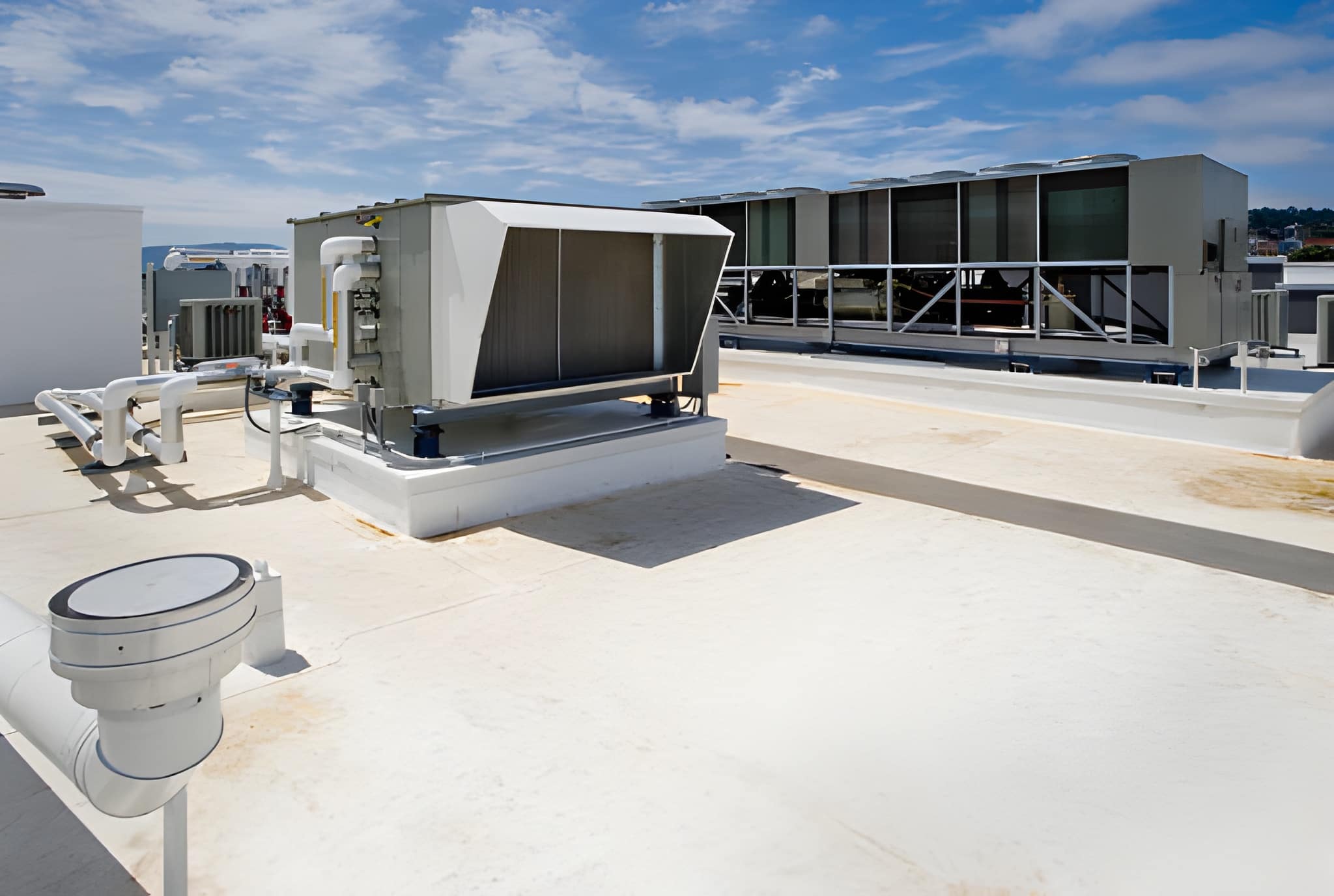
How Does a Rooftop Unit Work?
An RTU is a packaged system, meaning all its major components are housed in a single, weatherproof cabinet. This differs from split systems, where components are separated.
Here’s a simplified breakdown of the process:
- Return Air: The unit draws in air from inside the building.
- Conditioning: This air passes over either a refrigerant-cooled evaporator coil (for cooling) or a heat exchanger (for gas heating).
- Supply Air: A powerful blower fan then pushes the conditioned air back through the building's ductwork.
- Ventilation: Most RTUs have an economizer function that can draw in fresh outdoor air when temperatures are favorable, improving indoor air quality and saving energy.
Key Benefits of Using a Rooftop Unit
- Space-Saving Design: By locating the HVAC system on the roof, RTUs free up valuable interior floor and ground-level space for other uses.
- Simplified Installation and Service: As a single package, installation is often more straightforward than complex split systems. All components are easily accessible on the roof for maintenance and repair.
- Scalability and Zoning: Large buildings can use multiple RTUs to create different climate zones, allowing for precise temperature control and energy management in different areas.
- Integrated Efficiency: Modern RTUs come with high-efficiency compressors, ECM blower motors, and advanced economizers that significantly reduce energy consumption.
Critical Maintenance for Optimal RTU Performance
Regular maintenance is non-negotiable for RTUs. Neglect leads to higher energy bills, frequent breakdowns, and a shortened lifespan. A comprehensive maintenance plan should include:
- Semi-Annual Inspections: Schedule professional service before the peak cooling and heating seasons.
- Coil Cleaning: Dirty evaporator and condenser coils reduce efficiency and can cause the system to overheat.
- Filter Changes: Replace air filters regularly (often monthly or quarterly) to maintain airflow, air quality, and system pressure.
- Drain Pan and Line Clearing: Ensure condensate drains are clear to prevent water leaks and potential ceiling damage.
- Electrical Component Check: Technicians should inspect connections, contactors, and capacitors for signs of wear.
- Blower Motor and Belt Inspection: Keep the blower assembly clean and check belts for tension and wear.
Choosing the Right Rooftop Unit for Your Building
Selecting an RTU is a significant investment. The right choice depends on several factors:
- Building Size & Load: A professional must perform a load calculation to determine the required heating and cooling capacity (measured in tons or BTUs).
- Energy Efficiency Ratings: Look for high SEER2 (Seasonal Energy Efficiency Ratio) for cooling and high AFUE (Annual Fuel Utilization Efficiency) for heating.
- Single-Zone vs. Multi-Zone: Most standard RTUs are single-zone. For areas with different needs, multiple units or a specialized VRF system may be better.
- Brand & Quality: Partner with a supplier that offers reliable, commercial-grade equipment from reputable manufacturers to ensure durability and performance.
Common RTU Problems and Early Warning Signs
Catching problems early can prevent costly downtime. Be alert for these signs:
- Reduced Airflow or Comfort: Hot/cold spots indicate a potential blower or ductwork issue.
- Strange Noises: Grinding, squealing, or banging sounds point to motor or belt problems.
- Rising Energy Bills: A sudden, unexplained increase often signals an efficiency drop.
- Water Leaks Inside: This is often a sign of a clogged condensate drain.
- Frequent Cycling: The unit turning on and off too frequently can indicate various issues.
Why Partner with Compass Heat for Your RTU Solutions?
While Compass Heat specializes in premium hydronic components for residential and light commercial systems, we understand the critical role robust HVAC systems play in commercial comfort. Our expertise in system efficiency and reliability translates to a core principle: the right component matters.
For your RTU system, this means partnering with HVAC professionals who use high-quality parts and follow rigorous maintenance protocols. A well-maintained RTU, built with durable components, is the key to long-term operational savings and tenant satisfaction.
Frequently Asked Questions (FAQ)
Q: How long does a typical RTU last?
A: With a consistent and thorough maintenance schedule, a commercial rooftop unit can last 15-20 years.
Q: Can an RTU be repaired, or does it need full replacement?
A: Many components can be repaired. However, if your unit is over 15 years old, requires frequent repairs, and has low efficiency, a replacement may be more cost-effective in the long run.
Q: What's the difference between an RTU and a residential HVAC system?
A: RTUs are larger, more powerful, and built for heavier commercial use. They are packaged systems, while most residential systems are split. They also often feature more complex ventilation and zoning controls.
Q: How often should RTU filters be changed?
A: This depends on the environment and usage, but a common schedule is every 1-3 months. Inspect filters monthly.
hear what our satisfied clients have to say
Our clients consistently praise our exceptional service and attention to detail. They appreciate the personalized approach we take to meet their unique needs, ensuring satisfaction every step of the way.
.png)