


UV LIGHTS services in Fort Collins, co
UV Lights: Your In-Duct Air Quality Upgrade in Fort Collins
Ready to clean the air that flows through your home? UV lights are a proven, scientific solution that targets mold, bacteria, and viruses right inside your HVAC system. At Compass Heating and Cooling, we help Northern Colorado homeowners understand how UV germicidal systems work, where they should be installed for maximum impact, and what results you can realistically expect. We’ll walk you through the installation process, maintenance needs, and how this upgrade can reduce odors, inhibit microbial growth on coils, and contribute to a healthier indoor environment for your family. Let us help you decide if adding UV protection is the right choice for your home’s air quality.
Why UV Lights matter for Fort Collins homes
Fort Collins experiences distinct seasonal patterns that influence indoor air quality. Winters are cold and dry, homes stayed closed for months, and HVAC systems recirculate indoor air. Summers bring high humidity inside where cooling produces condensation on coils and in drip pans. Periodic wildfire smoke and seasonal pollen events can push home ventilation and filtration systems beyond their design. All of these conditions create opportunities for microorganisms such as mold, bacteria, and biofilm to grow on coils, drains, and duct surfaces.
UV Lights do not replace filtration or ventilation, but when installed properly they reduce viable microbial contaminants and limit the buildup of biofilm on cooling coils and interior surfaces. That keeps equipment cleaner, improves heat transfer and airflow, and reduces musty odors that result from microbial growth. For Fort Collins homes that want measurable improvements in HVAC performance and indoor air quality, UV is a strategic component to add to a layered IAQ plan.
Common indoor air quality problems UV lights help address
- Mold and mildew developing on evaporator coils, drain pans, and duct surfaces during humid months.
- Recurring musty or stale odors coming from the HVAC system or supply registers.
- Surface microbial contamination in ducts and on coil fins that restrict airflow and reduce efficiency.
- Elevated viable bacterial or fungal counts in the airstream in homes with moisture issues.
- Reduced coil performance caused by biological fouling that impairs heat exchange.
UV systems are focused on microbial control. They are effective at limiting biological growth where moisture and organic material accumulate, which in turn supports other IAQ strategies like filtration and ventilation.
Types of residential UV systems and ideal placement
There are three common types of UV lights used in homes. Each type has strengths and ideal locations depending on system layout and IAQ goals.
- Coil irradiation (in-duct, coil-mounted)
- Installed on or near the evaporator coil inside the air handler.
- Continuous irradiation of the coil surface and condensate pan prevents biofilm formation.
- Best for homes with periodic coil fouling, recurring odors, or reduced cooling performance.
- In-duct (upper air or airstream)
- Mounted inside supply ducts to expose passing air to ultraviolet energy.
- Useful when treating the airstream in larger ducts or when coil access is limited.
- Requires proper sizing to ensure sufficient exposure time for microbial inactivation.
- Upper-room/stand-alone UV units
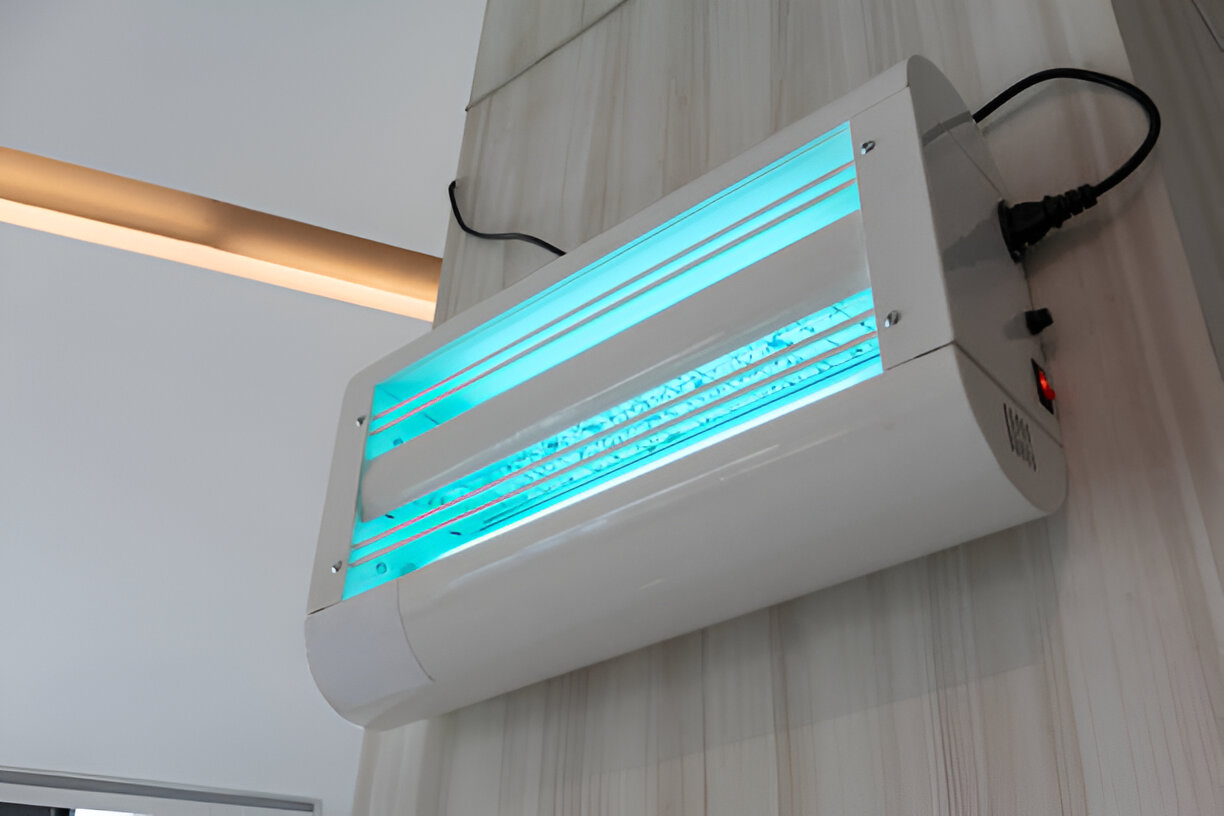
- Stand-alone ceiling-mounted units used to disinfect air in occupied spaces.
- Typically used in specific rooms where high-risk occupants reside or where localized microbial control is needed.
For most Fort Collins homes, coil-mounted UV installed at the evaporator coil is the most effective single upgrade because it prevents coil fouling, reduces odors, and helps maintain HVAC efficiency during the cooling season. In-duct lamps or supplemental upper-room units can be added when there is a larger concern about airborne pathogens or for targeted room treatment.
How UV lights work in simple terms
UV Lights used for air purification typically emit short-wave ultraviolet C light, known as UVC. UVC energy damages the DNA or RNA of microorganisms, rendering them unable to reproduce and less likely to remain viable. In HVAC applications the focus is on:
- Preventing and reducing growth on surfaces where moisture accumulates.
- Exposing airborne microorganisms to UVC during airstream passage when engineered exposure is sufficient.
- Slowing the formation of biofilm, which contributes to odors and reduced heat transfer.
Proper lamps, correct placement, and adequate exposure time are all essential. UV intensity declines with distance and lamp age, so sizing and maintenance matter.
Compatibility with existing equipment in Fort Collins homes
Most modern residential furnaces, air handlers, heat pumps, and duct systems are compatible with UV systems. Key compatibility considerations include:
- Physical access to the evaporator coil or duct interior for mounting.
- Available electrical circuit or low-voltage transformer connection for the lamp ballast.
- Sufficient space and clearances around the coil and ductwork to ensure safe installation and proper lamp orientation.
- The type of HVAC equipment (split system, ductless mini-split, packaged unit) — ductless systems often require different UV strategies than central forced-air systems.
Compass Heating and Cooling evaluates access, electrical options, and HVAC layout during the pre-installation assessment to determine the correct UV model and mounting approach for each Fort Collins home.
The installation process explained
A professional installation proceeds in clear steps to ensure performance and safety:
On-site assessment
- Inspect the air handler area, evaporator coil access, condensate pan, and duct layout.
- Measure available clearances and evaluate existing filtration and ventilation.
- Discuss homeowner goals and any known symptoms like odors, allergies, or recurring coil problems.
System selection and sizing
- Choose coil-mounted or in-duct UV devices based on layout and IAQ objectives.
- Verify ballast type, lamp length, and mounting hardware suited to the specific coil and duct dimensions.
Mounting and wiring
- Secure UV lamp(s) to factory or custom brackets near the coil or within the duct run.
- Provide a dedicated transformer or splice to an appropriate low-voltage circuit per local electrical code.
- Install safety labeling and interlocks if the unit is accessible from occupied spaces.
Verification and startup
- Confirm lamp power, inspect beam alignment where visible, and verify no direct exposure to occupants.
- Document lamp hours and serial numbers for maintenance records.
- Check for immediate odor reduction and ensure the equipment remains in proper working order with other HVAC controls.
A thorough installation also includes guidance on maintenance intervals and safe disposal of lamps at end of life.
Maintenance and bulb replacement schedules
Ongoing service keeps UV systems effective. Typical maintenance recommendations include:
Bulb replacement
- UVC bulbs produce maximum germicidal output when new and decline over time.
- Most residential UVC lamps are replaced annually to maintain effective output. Some higher-grade lamps may have longer rated life but still show degradation and are typically replaced every 12 to 24 months depending on manufacturer guidance.
Quartz sleeve cleaning
- Many installations use a quartz sleeve to protect the lamp from condensate and dirt.
- Clean sleeves every 6 to 12 months when accessible. Mineral deposits, dust, or film on the sleeve reduce UVC transmission.
Visual inspections
- Inspect lamp operation monthly or quarterly to ensure the lamp is lit. UVC light is not visible, so most systems include an indicator lamp or status LED.
- Check mounting hardware and wiring annually.
HVAC integration maintenance
- Replace HVAC filters on schedule. Dirty filters reduce airflow and can increase residence time for microbes in the system.
- Maintain proper condensate drain function to limit standing moisture that encourages microbial growth.
Keeping a maintenance log and scheduling annual checks with a qualified technician ensures the UV system performs as intended and extends equipment life.
Expected results and measured benefits
When correctly selected, placed, and maintained, residential UV systems deliver measurable benefits:
- Reduced surface microbial growth on evaporator coils and drain pans, which reduces odors and frequency of coil cleaning.
- Lower viable counts of microbes in the airstream where UV exposure is adequate.
- Improved HVAC performance and airflow over time because clean coils transfer heat more effectively.
- Fewer musty smells originating from the system.
- Support for allergy and asthma management by reducing biological triggers tied to mold and some bacteria.
It is important to set realistic expectations. UV does not remove particulate matter such as dust, pollen, or smoke particles. Combining UV with appropriate filtration and ventilation delivers the best overall indoor air quality improvements.
Pairing UV with other indoor air quality upgrades
For Fort Collins homes facing pollen, wildfire smoke, and seasonal humidity, UV works best as part of a layered IAQ approach:
Filtration
- Use MERV 8 to MERV 13 filters in the return path to capture larger particles and some fine particles. HEPA filtration in a point-of-use unit or as part of a whole-house solution removes smaller particles more effectively.
- Filters protect downstream equipment and reduce particle load on coils, making UV more effective at controlling biological growth.
Activated carbon
- Add carbon-based media for volatile organic compounds and smoke odor control. UV does not adsorb gases or particulates.
Ventilation
- Consider energy recovery ventilators or heat recovery ventilators for controlled fresh air intake without excessive energy penalty. Controlled ventilation reduces pollutant buildup during closed-winter months.
Humidity control
- Maintain indoor relative humidity in the recommended range to reduce mold risk. Dehumidifiers can be helpful in summer when basements or crawlspaces are problematic.
Regular HVAC maintenance
- Combine UV with a disciplined maintenance schedule for filters, coils, and condensate drains. UV reduces biological maintenance needs but does not eliminate the necessity of routine HVAC care.
Safety considerations and common homeowner concerns
Human exposure
- Direct exposure to UVC can damage skin and eyes. Proper in-duct or coil-mounted installations avoid direct exposure. Upper-room systems require shielding and correct mounting heights to protect occupants.
Ozone generation
- Some UV lamps generate ozone. Ozone-producing lamps are not recommended for occupied residential spaces. Modern germicidal lamps used for HVAC are typically low-ozone or no-ozone when properly specified.
Lamp disposal
- UVC lamps contain small amounts of mercury and should be recycled or disposed of according to local regulations. Keep used lamps separate and follow local hazardous waste guidance.
Not a replacement for filtration
- UV reduces viable microbes but does not filter particulates or remove gases. Homeowners should not rely on UV alone for comprehensive IAQ needs.
How to tell if a UV system is right for your Fort Collins home
Consider UV if you notice one or more of the following:
- Recurring musty or mildew odors when the HVAC system runs.
- Evidence of mold or moisture problems in the home, especially near HVAC components.
- Frequent coil icing or reduced cooling capacity in summer due to fouled coils.
- Occupants with mold-related allergy symptoms or sensitivity to microbial triggers.
- A desire to reduce maintenance and avoid frequent manual coil cleaning.
A professional assessment by Compass Heating and Cooling helps determine whether coil-mounted UV, in-duct UV, or a combination with filtration and humidity control best matches your home layout and IAQ goals.
What a professional diagnostic includes
Before installing UV, a thorough diagnostic typically includes:
- Visual inspection of the evaporator coil, condensate pan, and supply registers.
- Assessment of airflow, static pressure, and filter condition to identify contributing factors to microbial growth.
- Confirmation of electrical access and mounting options for safe lamp placement.
- Discussion of occupant sensitivities, indoor activities, and any history of water intrusion or high humidity.
- Recommendation for a UV model and maintenance schedule aligned with the home’s needs.
This evaluation avoids one-size-fits-all installations and ensures the system will deliver meaningful results in Fort Collins homes.
Long-term value and performance expectations
UV systems offer long-term operational value by reducing the cycle of microbial fouling that leads to odors and efficiency loss. Benefits over time typically include:
- Cleaner coils and improved heat transfer, which supports system efficiency.
- Reduced frequency of coil and drain pan cleanings.
- Stabilized indoor odors and fewer microbiological hotspots in the duct system.
- A safer environment for occupants sensitive to mold and some airborne microbes.
These benefits depend on correct system sizing, installation, and ongoing maintenance. UV should be viewed as an investment in the long-term health of the HVAC system and indoor environment.
Choosing the right UV solution for Fort Collins homes
Selecting the best UV system depends on these factors:
- The location of the evaporator coil and accessibility.
- The home’s history of microbial growth or odors.
- Existing filtration and ventilation strategies.
- Occupant health sensitivities and expectations.
- Long-term maintenance commitment and monitoring.
Compass Heating and Cooling evaluates these variables during a home assessment and recommends products and a maintenance plan aligned to Fort Collins conditions and homeowner priorities.
Q: How long does it take to install a coil-mounted UV light?
A: Most coil-mounted installations can be completed in a single visit after an assessment. Installation time depends on access to the air handler and any electrical work needed, but typical installs are a few hours.
Q: Will UV lights help with wildfire smoke that affects Fort Collins?
A: UV lights do not remove smoke particles or gases. Effective smoke control requires high-efficiency filtration and activated carbon media. UV is a complementary measure that focuses on microbes and odors but does not replace filtration for smoke.
Q: How often do UV bulbs need replacing?
A: The common recommendation is bulb replacement annually. Some lamps are rated longer, but germicidal output diminishes over time, so a one-year replacement interval is typical for dependable performance.
Q: Do UV lights produce ozone?
A: Some older or specialty UV lamps can generate ozone. Residential HVAC-grade germicidal UVC lamps are typically specified to be low-ozone or no-ozone. Confirm lamp specifications and select no-ozone models when occupancy is continuous.
Q: Are UV systems compatible with heat pumps and ductless systems?
A: UV is compatible with many system types, but the approach varies. Heat pumps and split systems with indoor coils typically accept coil-mounted lamps. Ductless mini-splits may require different mounting solutions or focused room units.
Q: How do I know if the UV system is working?
A: A properly installed system will show lamp status via an indicator light. Over time you should observe reduced odors, cleaner coils, and fewer maintenance issues related to microbial fouling. Routine inspections and annual maintenance confirm lamp output and condition.
Q: Can UV lights eliminate mold already growing in the ductwork?
A: UV can reduce viable microbes on exposed duct surfaces and prevent further growth, but heavily contaminated ducts may still require physical cleaning. UV is most effective as a preventative and maintenance tool.
Q: What other IAQ upgrades should I consider with UV?
A: Pair UV with appropriate MERV-rated filtration or HEPA solutions for particulate control, activated carbon for odors and smoke, and ventilation or humidity control to address source issues. A combined strategy yields the best results.
Compass Heating and Cooling provides local expertise tailored to Fort Collins homes and their seasonal challenges. Our technical focus helps homeowners select the right UV configuration, integrate it with filtration and ventilation, and maintain it so the system delivers reliable IAQ benefits year after year.
hear what our satisfied clients have to say
Our clients consistently praise our exceptional service and attention to detail. They appreciate the personalized approach we take to meet their unique needs, ensuring satisfaction every step of the way.
.png)