


AC Installation in Fort Collins, CO
When summer sizzles in Fort Collins, Compass Heating and Cooling knows that a great air conditioning system does more than just cool things down. It also keeps humidity in check, makes your indoor air cleaner, saves you money on energy, and keeps your family comfy. Our AC installation service in Fort Collins, CO, is all about providing complete, precise installations made just for homes in Northern Colorado. We start with a close look at your place, figure out exactly how much cooling you need, suggest energy-saving equipment, install everything professionally, and then test it thoroughly. That way, you can be sure your new system will work reliably for years to come in Fort Collins' weather conditions.
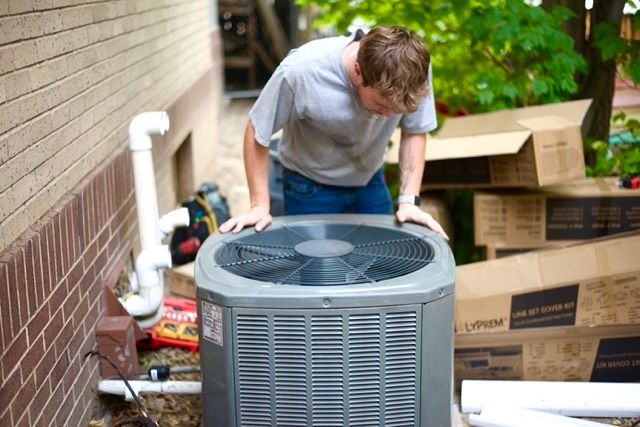
Why a tailored Air Conditioning Installation matters in Fort Collins
Fort Collins experiences warm, dry summers with significant daytime heating and cooler nights. That daily swing, combined with high elevation and strong solar loads on west- and south-facing homes, affects how a cooling system should be sized and configured. A unit installed without proper evaluation can short-cycle, fail to control humidity, or deliver uneven temperatures between rooms.
Key Fort Collins considerations that influence installation:
- Higher elevation and thinner air slightly change heat transfer and compressor performance. Equipment selection and refrigerant charge must account for this.
- Strong sun exposure and low overnight lows mean you need a system that handles wide temperature swings efficiently.
- Many Fort Collins homes are older and may have duct leakage, undersized return ducts, or attic insulation issues that affect cooling performance.
- The local preference for energy-efficient systems makes high-SEER and inverter-driven options especially relevant for long-term savings.
Compass Heating and Cooling approaches each install with these local realities in mind, ensuring the right system for the house, not just the biggest name on the label.
Common air conditioning needs and problems we solve in Fort Collins homes
- Replacement of aging or inefficient systems: Older units lose efficiency and reliability. Replacing them with modern high-efficiency models reduces energy bills and improves comfort.
- Undersized or oversized equipment: Incorrect sizing causes uneven cooling, humidity issues, and short cycling.
- Homes with poor ductwork: Leaky, poorly insulated, or poorly balanced ducts reduce system efficiency and comfort.
- Upgrades to heat pump systems: Cold-climate heat pump technology now provides reliable heating and cooling with excellent energy performance.
- Adding cooling to homes without central air: Ductless mini-splits and zoned solutions are often the best solution for older or remodeled Fort Collins homes.
- Indoor air quality and filtration upgrades: Better filtration, UV, or whole-home ventilation can be integrated during installation.
Technical details we verify during installation
Our installations include specific measurements and adjustments that many companies skip. Key items we verify:
- Proper refrigerant charge and pressure: Ensures peak efficiency and equipment longevity.
- Balanced airflow and supply/return configuration: Prevents hot or cold spots and reduces dust and filtration problems.
- Correct electrical sizing and disconnects: Avoids nuisance trips and ensures code compliance.
- Ductwork condition and sealing: Duct leakage can waste up to 20-30 percent of cooling energy in older homes; sealing and insulating ducts improves comfort and saves energy.
- Thermostat placement and control logic: Good thermostat placement eliminates misleading temperature readings and improves setpoint control.
- Condensate management: Proper drain installation prevents water damage and mold risk.
Why proper sizing and commissioning matter
A correctly sized and commissioned system provides:
- Consistent indoor temperature and better humidity control.
- Lower energy bills because the equipment runs as intended.
- Longer system life due to reduced cycling and mechanical stress.
- Better indoor air quality through improved airflow and filtration.
- Fewer callbacks and emergency repairs.
In Fort Collins, where daytime heat can be high and nights cool, proper sizing balances runtime and dehumidification. Systems that short-cycle on hot afternoons never reach steady-state dehumidification, leaving rooms clammy despite lower temperatures. Our load calculations and commissioning address those subtleties.
Options and upgrades commonly chosen during installation
- Variable-speed or inverter compressors: Provide precise temperature control, quieter operation, and superior humidity control during Fort Collins summers.
- Two-stage compressors: Run at a lower capacity most of the time for comfort and efficiency, with full capacity available for extreme heat.
- High-efficiency air filters and air cleaners: Improve indoor air quality in homes exposed to wildfire smoke or seasonal allergens.
- Smart thermostats and zoning: Improve comfort and save energy by heating and cooling only occupied spaces.
- Duct sealing and insulation: Essential for older homes to prevent conditioned air loss and pressure imbalances.
- High-lift refrigerant line sets and optimized condenser placement: Important for homes with unique exterior constraints or long line set runs.
Heat pump vs traditional split-system air conditioning for Fort Collins
Many Fort Collins homeowners benefit from heat pump technology. Modern cold-climate heat pumps provide efficient cooling and now match or exceed traditional air conditioner performance, while also offering heating in the winter. Advantages include:
- Year-round efficiency and possible simplification of equipment (one system for heating and cooling).
- Better performance with variable-speed compressors that match changing outdoor conditions.
- Potential for lower carbon footprint when paired with clean electricity sources.
We evaluate your home’s heating profile, insulation, and winter temperature exposures to recommend the best approach.
How we protect your investment after installation
A high-quality installation is only one part of a system’s lifespan. Compass Heating and Cooling supports homeowners with:
- Clear documentation of maintenance schedules and warranty registration steps.
- Post-install guidance on thermostat programming, filter replacement schedules, and basic troubleshooting.
- Maintenance plans such as the Compass Club that include seasonal checkups, priority service options, and discounts on repairs that preserve efficiency and extend equipment life.
- Transparent follow-up testing results and digital records for future service technicians.
Routine maintenance is essential to keep manufacturer warranties valid and maintain high efficiency. Changing filters, verifying drain lines, and annual tune-ups are simple actions that prevent costly failures.
Troubleshooting and common issues after installation (what we watch for)
- Uneven cooling or hot rooms: Often caused by duct imbalance or poor return placement.
- Short cycling: Usually an indicator of oversized equipment or airflow restrictions.
- High humidity: May indicate insufficient runtime or an improperly sized system that never reaches optimal dehumidification.
- Unusual noises: Loose panels, unbalanced fans, or improper mounting can cause vibrations and noises that are corrected during commissioning.
- Higher than expected energy usage: Can stem from duct leaks, incorrect thermostat settings, or a need for further insulation improvements.
If issues appear after installation, it is important to have a certified technician diagnose them using measured data rather than guesswork. Compass Heating and Cooling documents performance at installation so any deviation later can be tracked and resolved.
Warranty, documentation, and long-term care
We emphasize clear, written warranty information:
- Manufacturer warranties typically cover parts and compressors for a set number of years and are registered at installation to validate extended protections.
- Our labor warranty covers installation defects for a specified period; keeping records of annual maintenance helps protect these warranties.
- We provide an installation packet that includes system specifications, serial numbers, operating instructions, recommended maintenance actions, and a summary of performance test results.
Proper annual maintenance extends system life and preserves warranty eligibility. For many homeowners in Northern Colorado, enrollment in a maintenance plan helps ensure routine service is performed consistently.
Summary of benefits for Fort Collins homeowners
- Precisely sized and commissioned systems for local climate performance.
- Lower energy consumption with high-efficiency and variable-speed options.
- Better humidity control and consistent comfort despite daily temperature swings.
- Reduced long-term repair costs through correct installation, duct sealing, and ongoing maintenance.
- Clear warranty and documentation to protect your investment.
Compass Heating and Cooling’s Air Conditioning Installation in Fort Collins, CO is designed to guide you through a clear, professional process from the first on-site consultation through post-install testing and long-term care. Our approach prioritizes correct sizing, energy-efficient equipment, and workmanship that aligns with local climate realities so your home stays comfortable and efficient through Fort Collins summers and beyond.
Q: What does a load calculation involve and why is it necessary?
A: A load calculation measures your home’s actual heating and cooling needs by evaluating square footage, insulation, window sizes and orientation, ceiling heights, occupancy, and local climate factors. It prevents incorrect equipment sizing that can cause short cycling, poor humidity control, and higher energy bills.
Q: How long does a typical installation take?
A: Simple like-for-like replacements often finish in one day. New installs that require ductwork modifications, coil changes, or multi-zone setups can take two to three days. Ductless mini-splits may take one to two days depending on the number of indoor units.
Q: Will new equipment reduce my energy bills in Fort Collins?
A: Yes. Modern high-SEER systems, variable-speed compressors, and properly sealed ductwork reduce energy use compared with older equipment. Savings depend on current system efficiency, thermostat settings, and home envelope quality.
Q: Do you handle permits and code compliance in Fort Collins?
A: Yes. Installations that require permits are handled to meet Fort Collins and Larimer County codes, and we ensure the installation follows manufacturer guidelines to keep warranties valid.
Q: What warranties come with a new installation?
A: New equipment includes manufacturer warranties for parts and compressors, and we provide a labor warranty on installation. Warranty lengths and conditions vary by model; we document and register warranties at installation and explain maintenance requirements to preserve coverage.
Q: Is a heat pump a good option for Fort Collins?
A: Many Fort Collins homes benefit from modern cold-climate heat pumps for both heating and cooling. They offer year-round efficiency and may replace separate heating systems for some homes. We evaluate each home to determine whether a heat pump or traditional split system is the best fit.
Q: How do you verify the system is properly installed?
A: Post-installation commissioning includes airflow measurements, refrigerant charge verification, static pressure checks, temperature split tests, electrical inspections, and thermostat calibration. We document these tests and provide a homeowner walkthrough.
Related Home Comfort Services
If your system is beyond repair, you may want to consider AC Maintenance in Fort Collins; CO. We also offer AC Repair in Fort Collins; CO. For homes that need additional attention, check out our Furnace Installation in Fort Collins; CO options. Learn more about our full ac installation services, or view all air conditioning options. See all the services in fort collins; co we provide.
hear what our satisfied clients have to say
Our clients consistently praise our exceptional service and attention to detail. They appreciate the personalized approach we take to meet their unique needs, ensuring satisfaction every step of the way.
.png)