



Mini Split Services in Fort Collins, co
Ductless mini split systems are a practical, energy-efficient alternative to traditional forced-air HVAC in Fort Collins homes. Whether you live in an older bungalow with no ductwork, a newer house with uneven temperature zones, or a home addition where extending ducts is impractical, a mini-split delivers zoned heating and cooling with quiet operation and strong efficiency. Compass Heating and Cooling provides local expertise for Fort Collins residents who want a reliable ductless solution tailored to Colorado climate demands and the unique characteristics of Northern Colorado homes.
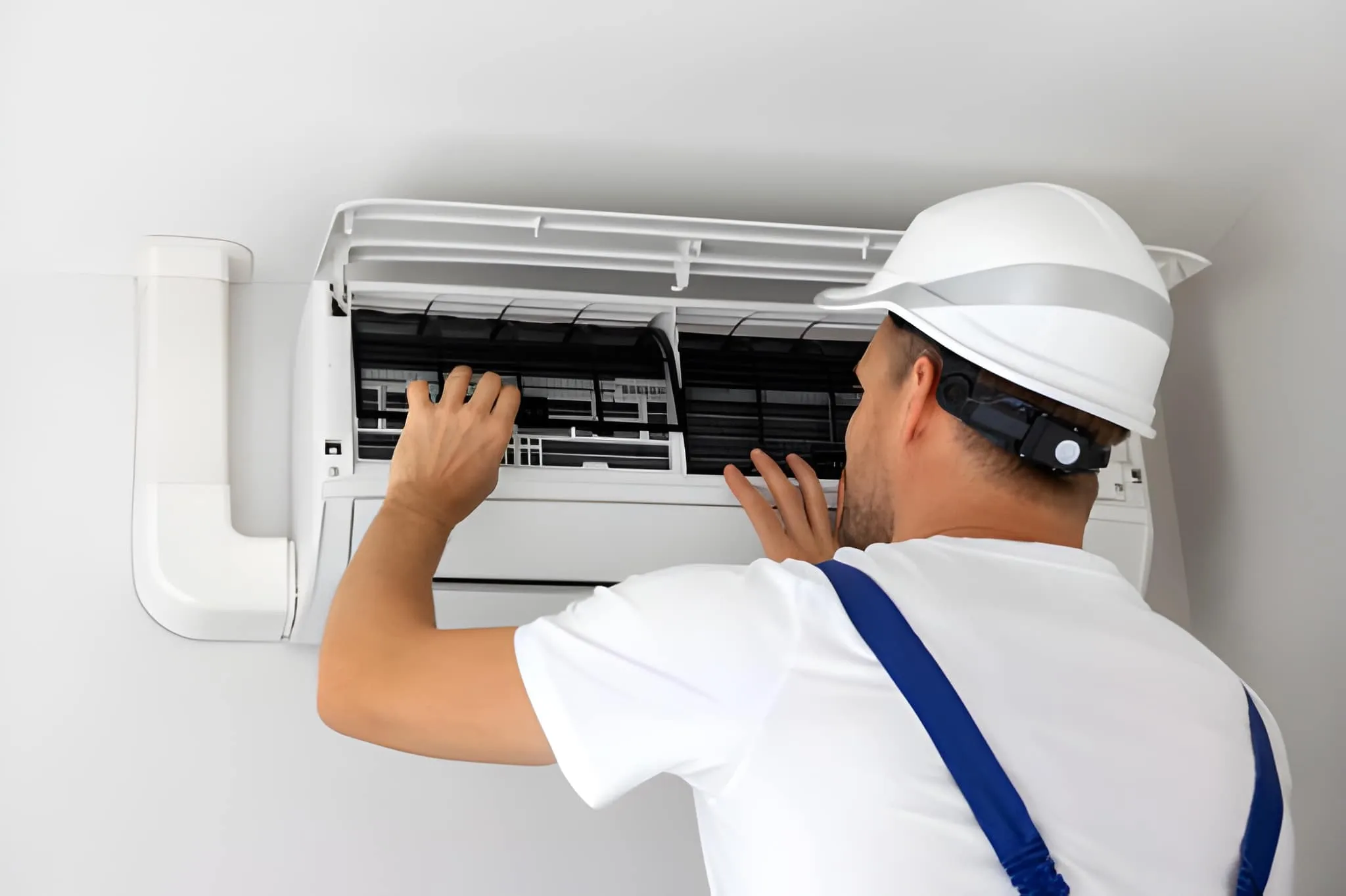
Why consider a ductless mini-split in Fort Collins
Fort Collins experiences warm, dry summers and cold, sometimes windy winters at high elevation. These conditions affect how heating and cooling systems perform:
- Summers: High daytime temperatures and strong solar gain mean targeted cooling can reduce whole-house runtime and energy use.
- Winters: Colder nights and rapid temperature swings make efficient, low-temperature heating performance important.
- Home types: Many Fort Collins homes have limited or older ductwork, tight crawl spaces, or historic construction where adding ducts is costly or damaging to the structure.
A ductless mini-split addresses these local needs by offering precise zone control, efficient heat pump technology that works year-round, and minimal installation footprint. Compass Heating and Cooling helps Fort Collins homeowners choose systems sized and configured for local weather patterns and building construction.
What a mini-split is and how it works
A mini-split system consists of one outdoor compressor/condenser and one or more indoor air-handling units connected by refrigerant lines and a condensate drain. Unlike traditional split systems that use ducts, mini-splits deliver conditioned air directly from the indoor units into living spaces.
Key features:
- Heat pump operation for both heating and cooling.
- Individual indoor units for each zone or room.
- Refrigerant lines and a small electrical connection through a single wall or ceiling penetration.
- Variable-speed compressors and inverter technology on modern models for steady temperatures and energy savings.
Because mini-splits move heat rather than generate it with resistance, they are highly efficient even in Fort Collins’ variable climate, and many contemporary models are rated for low-ambient heating performance.
Benefits of a ductless mini-split for Fort Collins homes
- Zoning flexibility: Control temperature independently in bedrooms, living areas, additions, or home offices. Zoning reduces wasted energy by conditioning only occupied spaces.
- Year-round efficiency: High-efficiency inverter-driven compressors deliver better seasonal performance than many older systems, which helps with high heating needs in cold snaps and substantial cooling loads in summer.
- Quiet operation: Indoor units are designed for low noise, which is helpful in compact Fort Collins bedrooms and shared living spaces.
- Minimal disruption: Installation requires only a small hole for the line set, avoiding major construction or duct fabrication in tight or historic homes.
- Improved indoor comfort: Consistent airflow and precise temperature control reduce cold drafts, hot spots, and humidity swings.
- All-electric option: For homeowners moving away from fossil fuels, ductless heat pumps support an all-electric home strategy and can integrate with solar or electrification planning.
Common mini-split applications in Fort Collins
- Retrofit for homes without ducts or with damaged ducts
- Room additions, sunrooms, basements, garages converted to living space
- Multi-family units and condos where extending central systems is impractical
- Supplemental heating and cooling in rooms with persistent hot or cold spots
- Efficient primary system in smaller homes or well-insulated new builds
System sizing and load considerations
Proper sizing is critical. An oversized system will short-cycle, reducing comfort and lifespan. An undersized system will struggle during extreme Fort Collins heat or cold. Compass Heating and Cooling recommends a professional Manual J load calculation that accounts for:
- Square footage and ceiling heights
- Insulation levels in walls, attic, and floors
- Window types, orientation, and solar exposure
- Air infiltration rates and local wind exposure
- Number and activity level of occupants
- Appliances and internal heat gains
Key sizing points for Fort Collins:
- Account for large temperature differentials during winter nights. Many manufacturers provide low-ambient performance specs—choose models rated for cold-climate operation if you plan to use the system as primary heating.
- Consider elevation effects on equipment performance. Higher elevation affects air density; technicians will factor this into system selection and refrigerant charge.
- For multi-zone installations, determine individual zone loads rather than relying solely on aggregate tonnage. Mix and match indoor unit capacities to match each room’s needs for efficiency and comfort.
Indoor and outdoor unit placement guidance
Correct placement maximizes comfort, efficiency, and aesthetics.
Indoor unit placement:
- Mount indoor units high on walls for effective air distribution, typically 7 to 8 feet above the floor.
- Avoid installing directly above heat sources, open vents, or in areas with constant heavy dust.
- Place units where airflow will cover the room without blowing directly onto seating or sleeping areas if occupants are sensitive to airflow.
- For long rooms or high ceilings, consider ceiling-cassette or multi-split configurations to improve circulation.
Outdoor unit placement:
- Choose a level, ventilated location with at least the manufacturer-recommended clearance around the unit for airflow.
- Keep units away from heavy snowdrifts, roof runoff, and direct paving where ice can form. A raised pad or bracket can prevent snow accumulation and improve service access.
- Locate the outdoor unit where sound and visibility are minimized but service access remains practical.
- Line-set length matters: longer runs increase installation cost and can affect performance. Fort Collins installations often use short runs through exterior walls, but rooftop or ground-mounted options are available when needed.
A local installer will review site-specific issues like wind exposure on the Front Range, snow loads, proximity to neighbors, and siding or masonry configuration.
Step-by-step professional installation process
A professional installation ensures safety, peak performance, and warranty compliance. A typical Compass Heating and Cooling installation includes these steps:
Initial consultation and site survey
- Review floor plan, room uses, existing systems, and desired zones.
- Discuss aesthetics, indoor unit styles, and outdoor unit placement.
- Perform a preliminary load estimate and note any structural considerations for line-set routing.
Detailed load calculation
- Complete a Manual J load calc and determine appropriate indoor unit sizes and outdoor compressor capacity.
- Confirm system type: single-zone vs multi-zone, cold-climate heat pump models if needed.
Equipment selection and plan
- Choose models based on efficiency, low-ambient performance, warranty, and homeowners’ preferences.
- Plan indoor unit locations, electrical requirements, and condensate drain routing.
Site preparation
- Install mounting brackets or pads for indoor and outdoor units.
- Prepare penetration points in exterior walls with minimal disturbance to siding or finish materials.
Indoor unit installation
- Mount indoor units securely, level, and at recommended heights.
- Route condensate drain and line set to the planned exit point.
Outdoor unit installation
- Set the outdoor condenser on a pad or bracket with adequate clearance.
- Position for serviceability and to limit visual impact.
Refrigerant line, electrical, and drain connections
- Run insulated refrigerant lines, electrical conduit, and condensate drain through the wall with professional sealing and weatherproofing.
- Keep line-set lengths within manufacturer limits to maintain performance.
Vacuum, charge, and system commissioning
- Evacuate the refrigerant lines to manufacturer-required vacuum levels.
- Charge the system per specifications, especially important at high elevation.
- Test system operation in heating and cooling modes and check airflow, sound, and temperature differentials.
Final inspection and homeowner walkthrough
- Explain system operation, filter access, and recommended maintenance tasks.
- Provide documentation on model numbers, wiring, and warranty registration instructions.
Professional installation reduces the risk of refrigerant leaks, inadequate charging, or improper mounting that can shorten system life or void warranties.
Maintenance recommendations for longevity and performance
Routine maintenance keeps a mini-split running efficiently and reliably. Fort Collins’ dusty, seasonal conditions make regular attention especially important.
Periodic tasks homeowners can do:
- Clean or replace washable filters every 1 to 3 months depending on use and indoor air quality.
- Wipe down indoor unit face and louvers to remove dust and pet hair.
- Ensure outdoor unit fins are free of debris, leaves, and snow.
Annual or semi-annual tasks for a technician:
- Check refrigerant charge and pressure, especially after seasonal extremes.
- Inspect and clean evaporator and condenser coils.
- Test electrical connections and controls.
- Clean and flush condensate drain lines to prevent clogs and overflow.
- Verify system settings and test low-ambient heating performance if the unit serves as a primary heat source.
Compass Heating and Cooling’s Compass Club maintenance plan can be mentioned here as a way homeowners typically ensure annual tune-ups, though participation is optional. Regular maintenance preserves warranty validity for many manufacturers and reduces the likelihood of mid-season failures.
Common troubleshooting tips and when to call a professional
Some minor issues can be resolved by homeowners, but certain symptoms require professional diagnosis.
Home-level checks:
- Unit not turning on: Verify power at breaker and remote batteries. Confirm thermostat or controller settings.
- Weak airflow: Check filters for clogging and verify indoor unit intake is not blocked by furniture or curtains.
- Strange odors: Damp or musty smells often indicate a dirty drain or filter. Turn off the unit and inspect filters; schedule a technician if odors persist.
- Remote/control issues: Reset the controller, replace batteries, and ensure line-of-sight where required.
When to call a professional:
- System not heating or cooling adequately after basic checks.
- Indoor units icing over or showing frost during heating mode.
- Loud or unusual noises from indoor or outdoor units (rattling, high-pitched squeals, knocking).
- Refrigerant leaks or visible oil stains.
- Error codes on the indoor unit or outdoor compressor that persist after power cycling.
Common causes of professional repairs include refrigerant leaks, compressor faults, control board failures, and improper refrigerant charge. In Fort Collins, technicians are skilled at diagnosing issues related to elevation, cold-climate performance, and seasonal load shifts.
Warranty and payment options
Most manufacturers offer tiered warranties that include parts coverage and, in some cases, limited compressor warranties. Labor warranty terms vary by installer. For Fort Collins homeowners, typical warranty considerations include:
- Manufacturer warranty: Often covers parts for a set number of years; compressor warranties may be longer on high-efficiency models.
- Installer labor warranty: Compass Heating and Cooling provides standard workmanship guarantees for installations; details vary by system and should be reviewed before purchase.
- Extended coverage: Many homeowners opt for extended service plans or membership maintenance plans to cover annual tune-ups and reduce out-of-pocket repair costs.
Payment options are commonly available for mini-split installations to help spread equipment and installation costs over time. Compass Heating and Cooling lists payment options programs for homeowners exploring purchase alternatives. Review payment options terms, interest rates, and payment schedules to determine the best fit for your budget and long-term plans.
Choosing ductless versus a traditional HVAC system in Fort Collins
Deciding between a ductless mini-split and a traditional forced-air system depends on several factors.
Choose ductless when:
- Your home lacks ducts or has damaged, inefficient ductwork.
- You want precise zoning to control individual rooms or additions.
- You prefer a minimally invasive installation with minimal remodeling.
- Noise reduction and space savings are priorities.
- You plan an all-electric home or want heat pump-based heating for efficiency.
Choose traditional HVAC when:
- You already have high-quality ductwork in good condition serving the house efficiently.
- Centralized filtration, humidification, or whole-home ventilation tied to ducts is a priority.
- You need to condition many rooms evenly with a single system and prefer the look of no exposed indoor units.
- Initial equipment cost and consolidation under one system are more desirable for your floor plan.
Hybrid approaches are also common: using a central system for most spaces and mini-splits for problem rooms, additions, or zones requiring separate control. Compass Heating and Cooling evaluates whole-home performance and advises a solution that balances comfort, efficiency, and cost tailored to Fort Collins conditions.
Planning for installation in Fort Collins: specific considerations
- Snow and ice management: Outdoor unit placement and elevation are important to keep condensers clear of snow drifts and runoff from roofs. Consider heat strips or protective mounts where heavy snow accumulates.
- Sun and solar gain: Fort Collins homes with large south-facing windows may need additional cooling capacity or strategic indoor unit positioning to offset solar loads.
- Historic homes: Many Fort Collins neighborhoods have older or historic properties. A ductless solution avoids invasive ductwork while preserving original trim and finishes.
- Noise ordinances and neighborhood layout: Outdoor unit placement should respect local codes and neighbors. Technicians will recommend quieter models and suitable siting.
- Permits and inspections: Local permitting and electrical inspection requirements vary. A licensed installer handles permit submission and ensures code compliance.
Long-term benefits and ROI considerations
When properly sized and installed, ductless mini-splits can deliver measurable energy savings through zoned operation and efficient heat pump technology. Homeowners often see:
- Reduced energy consumption for conditioned spaces.
- Increased comfort and fewer complaints about hot or cold rooms.
- Potential for increased home value when replacing inefficient systems.
- Compatibility with electrification strategies and renewable energy integrations.
Return on investment depends on usage patterns, system efficiency, the number of zones, and local utility rates. Fort Collins homeowners who replace old, inefficient electric resistance heating or poorly performing window units typically see the most immediate gains.
Frequently Asked Questions
Q: What is the expected lifespan of a ductless mini-split system?
A: With regular maintenance, a well-installed mini-split typically lasts 12 to 20 years. Lifespan varies by usage, environment, and maintenance frequency. Annual tune-ups and timely repairs can extend service life.
Q: Can a mini-split handle Fort Collins winter temperatures for heating?
A: Many modern mini-splits are rated for low-ambient heating and can operate efficiently in Fort Collins winters. For primary heating, choose cold-climate models with proven low-temperature performance and confirm capacity through a Professional Manual J load calculation.
Q: How disruptive is installation in an existing home?
A: Installation is minimally disruptive compared with ductwork installation. Typically one small hole per indoor unit is required for the line set and drain. Installers work to protect finishes and complete work with clean-up.
Q: How often should filters be cleaned or replaced?
A: Washable filters should be cleaned every 1 to 3 months depending on dust, pets, and use. Disposable filters vary by model and should be replaced per manufacturer guidance. Regular filter care preserves airflow and efficiency.
Q: Are mini-splits noisy outside?
A: Outdoor units produce some operational sound, but modern compressors run quietly. Proper siting, vibration isolation pads, and sound-rated models minimize neighborhood impact and interior noise.
Q: What warranty coverage is typical?
A: Manufacturer parts warranties vary, and compressors often have extended coverage. Installers provide labor warranties for workmanship. Review manufacturer and installer warranty documents before purchase.
Q: Can a single outdoor unit serve multiple indoor units?
A: Yes. Multi-zone systems allow one outdoor compressor to support multiple indoor units, giving flexible zoning options for Fort Collins homes with disparate room loads.
Q: Do mini-splits improve indoor air quality?
A: Mini-splits do not condition whole-home ventilation, but many indoor units incorporate advanced filters that capture dust, pollen, and some particulates. For whole-home ventilation or humidification, consider supplemental solutions integrated with your overall HVAC strategy.
Q: How do I choose between different indoor unit styles?
A: Choose based on room layout, ceiling height, and aesthetics. Wall-mounted units are common and cost-effective. Ceiling cassettes or floor-mounted units are available for specific architectural needs.
Q: Is payment options available for mini-split installations?
A: Payment options programs are commonly available. Compass Heating and Cooling provides information on payment options to help homeowners evaluate payment plans and choose what fits their budget.
hear what our satisfied clients have to say
Our clients consistently praise our exceptional service and attention to detail. They appreciate the personalized approach we take to meet their unique needs, ensuring satisfaction every step of the way.
.png)