



How to Fix Circuit Breaker Tripping When AC Turns On
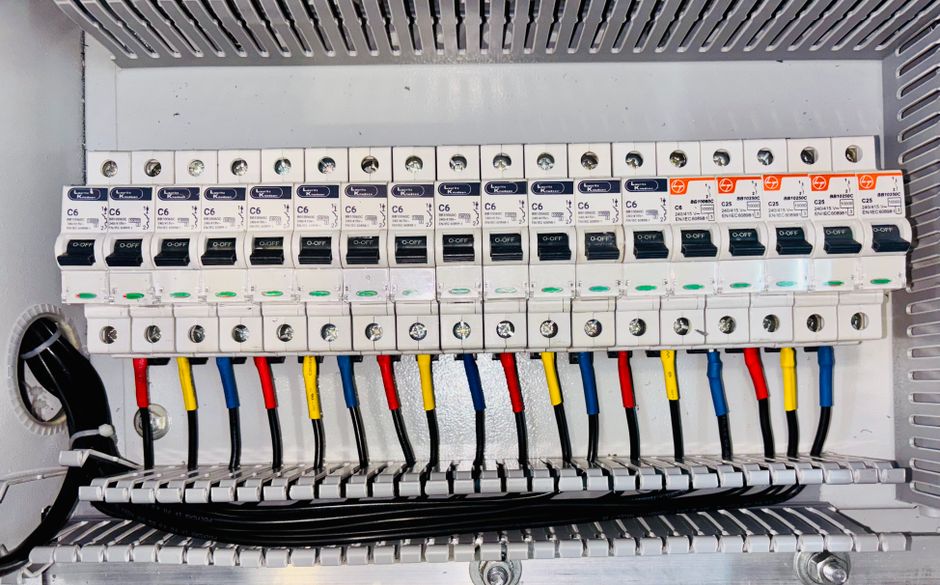
What to Do When Your Circuit Breaker Keeps Tripping When the AC Turns On in a Northern Colorado Home
If you're dealing with a circuit breaker tripping when AC turns on what to do in a northern colorado home is probably the first thing on your mind — especially when temperatures outside are already climbing. Here's a quick answer before we dig into the details:
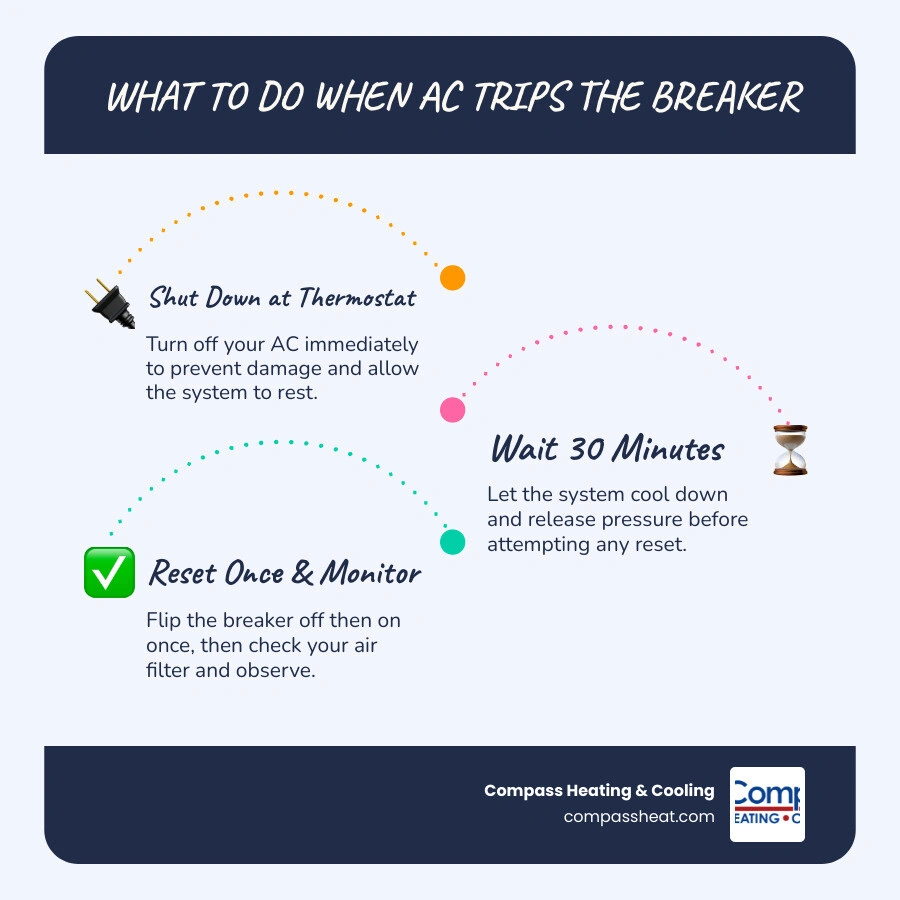
When your AC trips the breaker, follow these steps:
1. Turn off your AC at the thermostat immediately — do not keep running the system.
2. Wait at least 30 minutes before doing anything else.
3. Reset the breaker once by switching it fully off, then back on.
4. Check your air filter — replace it if it's clogged.
5. Restart the AC and monitor — if the breaker trips again, stop and call a licensed HVAC or electrical professional.
Repeated breaker trips are a warning sign, not just an inconvenience. Air conditioners can draw 15–30+ amps at startup, which can easily overwhelm an older or already-stressed circuit — a real concern in many Northern Colorado homes, especially during peak summer heat in the Fort Collins, Loveland, and Greeley areas.
Approximately 51,000 home electrical fires occur in the U.S. every year, many linked to overloaded circuits triggered by high-demand appliances like air conditioners. That's why it's critical to treat a tripping breaker seriously and not simply reset it over and over.
In the sections below, we'll walk you through exactly what's causing the problem, what you can safely check yourself, and when it's time to call in a professional.
Circuit Breaker Tripping When AC Turns On What to Do in a Northern Colorado Home

When you hear that dreaded click and notice your home's cooling has suddenly stopped, your first instinct might be to run straight to your electrical panel in the garage or basement and flip the switch back. However, repeatedly resetting a tripped breaker without diagnostic steps is a major safety hazard.
A circuit breaker is designed to protect your home from electrical fires by shutting off electricity when there is an unsafe overload of current. If your breaker trips, it is doing its job. Forcing it to stay on or constantly resetting it can damage your air conditioner's compressor, melt your home's wiring insulation, or even spark a fire. If you are wondering why your cooling system suddenly cut out, check out our guide on Why Isn't My AC Working for foundational troubleshooting.
Step 1: Shut Down the System at the Thermostat
Before you touch your breaker panel, turn your air conditioning system completely off at your thermostat. If you leave the thermostat set to "cool" and immediately reset the breaker, the AC will try to restart right away.
This causes two major issues:
• Inrush Current Strain: The system will instantly demand a massive burst of electrical current (known as inrush current) while the electrical circuit is still unstable, which will almost certainly trip the breaker again.
• Pressure Lock: When an air conditioner turns off, the refrigerant pressures inside the system need a few minutes to equalize. If you force the compressor to start up against high pressure, it has to work twice as hard, drawing excessive amperage and triggering another trip.
Give your system at least 30 minutes of complete rest. This allows the refrigerant pressures to equalize and gives any overheated electrical components time to cool down.
Step 2: Reset the Breaker Once and Monitor
Once the 30-minute cooling period has passed, locate your home’s electrical panel. Look for the circuit breaker labeled for your outdoor AC unit or condenser. A tripped breaker will usually be sitting in the middle position, between "ON" and "OFF," or it may show a red indicator window.
To reset it safely:
1. Push the breaker switch firmly to the "OFF" position until you hear a distinct click.
2. Flip the switch firmly back to the "ON" position.
3. Return to your thermostat and set it back to "cool."
Now, watch and listen. If the system starts up and runs smoothly, keep a close eye on it. If it trips the breaker again immediately or within a few minutes, do not reset it a second time. Multiple trips indicate a serious mechanical or electrical fault that requires professional attention to prevent permanent damage to your system.
Common Reasons Your Air Conditioner Trips the Breaker
An air conditioner is one of the most power-hungry appliances in any Northern Colorado home. Because it relies on high-voltage electrical components working in tandem with mechanical parts, a failure in either system will quickly cause the breaker to shut down the circuit to protect your home. For a deeper look into how failing electrical parts can cripple your cooling, read about Electrical Issues and HVAC.
Why is my circuit breaker tripping when ac turns on what to do in a northern colorado home?
Often, the root cause of a breaker trip is simply a system that is working too hard. When airflow is restricted or heat cannot escape, the motors inside your AC must draw more electricity to do their jobs.
• Dirty Air Filters: When your home's return air filter is packed with dust, pet dander, and pollen, your indoor blower motor has to work incredibly hard to pull air through it. This restricted airflow causes the blower motor to overheat and draw excessive amperage, eventually tripping the breaker.
• Dirty Condenser Coils: Your outdoor unit's job is to release the heat collected from inside your home. If the outdoor condenser coils are caked in dirt, cottonwood fuzz, or lawn clippings, they act as an insulating blanket. The system cannot shed heat efficiently, causing the compressor to run hotter and draw more power. Regular maintenance is the best way to prevent this; you can learn more about keeping your system clean through AC Maintenance Fort Collins.
• Fan Motor Malfunction: Your outdoor unit has a fan designed to pull air across the condenser coils. If the fan motor bearings are wearing out, the motor will experience high friction, run extremely hot, and pull more current than the circuit can safely handle.
Electrical Component Failures and Short Circuits
If the mechanical parts of your system are clean but the breaker still trips, the problem is likely an electrical failure.
• Bad Capacitor: The capacitor acts like a temporary battery that gives your compressor and fan motor the extra electrical boost they need to start running. If the capacitor fails or loses its charge, the compressor will struggle to start, drawing a massive amount of power until the breaker trips.
• Shorted Motor: Over time, the protective insulation on the copper wiring inside your fan motor or compressor can degrade. If the wires touch each other or the metal casing, it creates a short circuit. This causes an immediate, massive spike in electrical current that trips the breaker instantly upon startup.
• Grounded Compressor: A grounded compressor occurs when the electrical windings inside the compressor break and make direct contact with the metal side of the unit. This allows electricity to flow directly into the compressor oil and the grounding system, creating a highly dangerous short circuit that can ignite the oil and cause a total system blowout.
• Loose Electrical Connections: The extreme temperature fluctuations we experience in Northern Colorado cause copper and aluminum wires to expand and contract. Over time, this movement can loosen terminal screws and wire connectors. Loose connections increase electrical resistance, generating extreme heat and causing the breaker to trip.
How to Safely Diagnose the Issue at Home
While major electrical repairs should always be left to licensed professionals, there are several safe, basic troubleshooting steps you can perform as a homeowner to narrow down the problem. If you determine the issue is beyond a simple DIY fix, you can always schedule expert AC Repair to get your home cool again.
Troubleshooting a circuit breaker tripping when ac turns on what to do in a northern colorado home
Before calling for service, you can run through this quick checklist to see if a simple household issue is causing the electrical overload:
• Replace the Air Filter: Pull out your indoor air filter. If you cannot see light through it, replace it immediately. A fresh filter restores proper airflow and instantly lowers the electrical load on your blower motor.
• Inspect the Outdoor Unit: Ensure there are no weeds, bushes, or outdoor furniture blocking the airflow around your outdoor condenser. Clear away any leaves, twigs, or cottonwood seeds that have accumulated on the metal grilles.
• Map Your Circuits: Sometimes, the issue isn’t your AC at all, but rather what else is running on the same circuit. While your central AC should be on a dedicated circuit, smaller window units or portable air conditioners are often plugged into standard household outlets. If you run a portable AC on the same circuit as a microwave, vacuum, or hair dryer, you will easily exceed the circuit's capacity.
• Balance Your Electrical Load: Try unplugging other high-wattage appliances in the room where your portable or window AC is running to see if the breaker stops tripping.
Identifying Overloads vs. Short Circuits
Understanding the difference between an overloaded circuit and a short circuit can help you communicate the problem clearly to your technician.
• Timing of Trip — Overloaded Circuit: Trips after running for several minutes or hours. — Short Circuit / Ground Fault: Trips instantly, the exact second the AC turns on.
• Breaker Temperature — Overloaded Circuit: The breaker switch and surrounding panel feel warm to the touch. — Short Circuit / Ground Fault: The breaker is cool, but may make a loud "pop" sound when tripping.
• Standard Capacity — Overloaded Circuit: Exceeds the 1,800 to 2,400-watt limit of standard 15-20 amp lines. — Short Circuit / Ground Fault: Creates a massive, uncontrolled spike in amperage.
• Primary Danger — Overloaded Circuit: Gradual overheating of wires, leading to potential fire hazards. — Short Circuit / Ground Fault: Immediate sparking, arc flashes, and severe equipment damage.
If you suspect a short circuit or a ground fault, do not attempt to test the system yourself. These issues present a high risk of electrical shock and require professional tools like multimeters and megohmmeters to safely diagnose.
Preventive Maintenance and Upgrades to Protect Your System
Preventing electrical issues before they leave you stranded in a hot house is always the smartest approach. By taking care of your system and investing in targeted electrical upgrades, you can keep your home safe and your cooling system running efficiently for years to come. If your system is older and constantly struggling, you may want to explore our AC Installation Fort Collins services to see if a modern, high-efficiency system is right for you.
Seasonal Climate Impacts in Northern Colorado
Living along the Front Range means our cooling systems have to adapt to rapidly changing conditions. During peak summer months in Fort Collins, Loveland, and Greeley, temperatures can easily soar into the 90s and low 100s.
This extreme summer heat impacts your system in several ways:
• Grid Stress & Low Voltage: During heatwaves, everyone in your neighborhood runs their air conditioners at the same time. This massive collective demand can cause local utility grid voltage to drop. When incoming voltage drops, your AC compressor must draw more amperage to achieve the same cooling power, making your breaker much more likely to trip.
• Extreme Thermal Expansion: The transition from chilly Northern Colorado spring nights to baking summer afternoons causes electrical wires and metal terminals to expand and contract rapidly, accelerating the rate at which electrical connections loosen.
Routine seasonal checkups are the best defense against these weather-related stresses. Booking an AC Service Fort Collins appointment in the spring ensures your system is fully tightened, cleaned, and ready to handle the summer heat.
Long-Term Electrical and HVAC Upgrades
If you live in an older home or have an aging air conditioner, several upgrades can significantly reduce the risk of future breaker trips:
• Hard Start Kit (Start Capacitor): As compressors age, their internal mechanical parts experience more friction, requiring more power to start up. A hard start kit acts like an extra booster, delivering a clean, rapid surge of power that helps the compressor start up in milliseconds. This dramatically reduces the startup current draw, preventing lights from flickering and keeping the breaker from tripping.
• Dedicated AC Circuit: If your home still has older wiring where your AC shares power with other outlets, having a licensed electrician run a dedicated circuit is a must.
• 200-Amp Panel Upgrade: Many historic homes in neighborhoods like Old Town Fort Collins or downtown Loveland were built with 60-amp or 100-amp electrical panels. Modern homes packed with electronics, air conditioners, and electric vehicle chargers require at least a 200-amp panel to operate safely.
• System Replacement: If your compressor is grounded or has failed entirely, it is often more cost-effective to replace the entire system rather than pay for an expensive compressor replacement on an outdated unit. Check out our AC Repair vs Replace Decision Guide for Northern Colorado to help weigh your options.
Frequently Asked Questions about AC Breaker Trips
Why does my AC trip the breaker immediately after resetting?
If your breaker trips the exact millisecond your air conditioner turns on, you are dealing with a direct short circuit or a grounded compressor. This means electricity is bypassing the normal path through the system's motors and flowing directly to the ground or another wire. This is a severe electrical hazard. Leave the breaker off and call a professional immediately.
Can a dirty air filter really cause my circuit breaker to trip?
Yes, absolutely. A heavily clogged air filter chokes the airflow through your home's ductwork. This forces your indoor blower motor to spin harder and run hotter to move air, causing its electrical draw to spike. Over time, this sustained high amperage draw will overheat the motor and trip the circuit breaker.
Is it safe to keep resetting my breaker if it trips?
No, it is highly unsafe. Breakers are mechanical safety switches that wear out with repeated use. More importantly, a tripping breaker is a warning sign of an underlying electrical or mechanical problem. Constantly resetting it forces high electrical currents through damaged components, which can easily melt wiring insulation, ruin your compressor, or spark an electrical fire.
Conclusion
A circuit breaker that keeps tripping when your air conditioner turns on is a clear cry for help from your home's electrical and mechanical systems. By taking immediate action, shutting down the system at the thermostat, and avoiding the temptation to repeatedly reset the breaker, you protect your family, your home, and your cooling equipment from serious damage.
At Compass Heating & Cooling, we are proud to serve homeowners across Northern Colorado, including Fort Collins, Loveland, Windsor, Wellington, Severance, Timnath, Johnstown, Greeley, Berthoud, and Evans. We make upgrading your home’s comfort easy and affordable by handling utility rebates of up to $8,000+ directly for you. Plus, our comprehensive maintenance plan gives you priority service and exclusive discounts, ensuring your cooling system stays reliable all year long.
Don't spend your summer sweating over electrical issues. Schedule professional AC Repair with Compass Heating & Cooling today, and let our expert team safely restore your home's comfort!
hear what our satisfied clients have to say
Our clients consistently praise our exceptional service and attention to detail. They appreciate the personalized approach we take to meet their unique needs, ensuring satisfaction every step of the way.
.png)