


RTU Maintenance & Preventive Care Guide
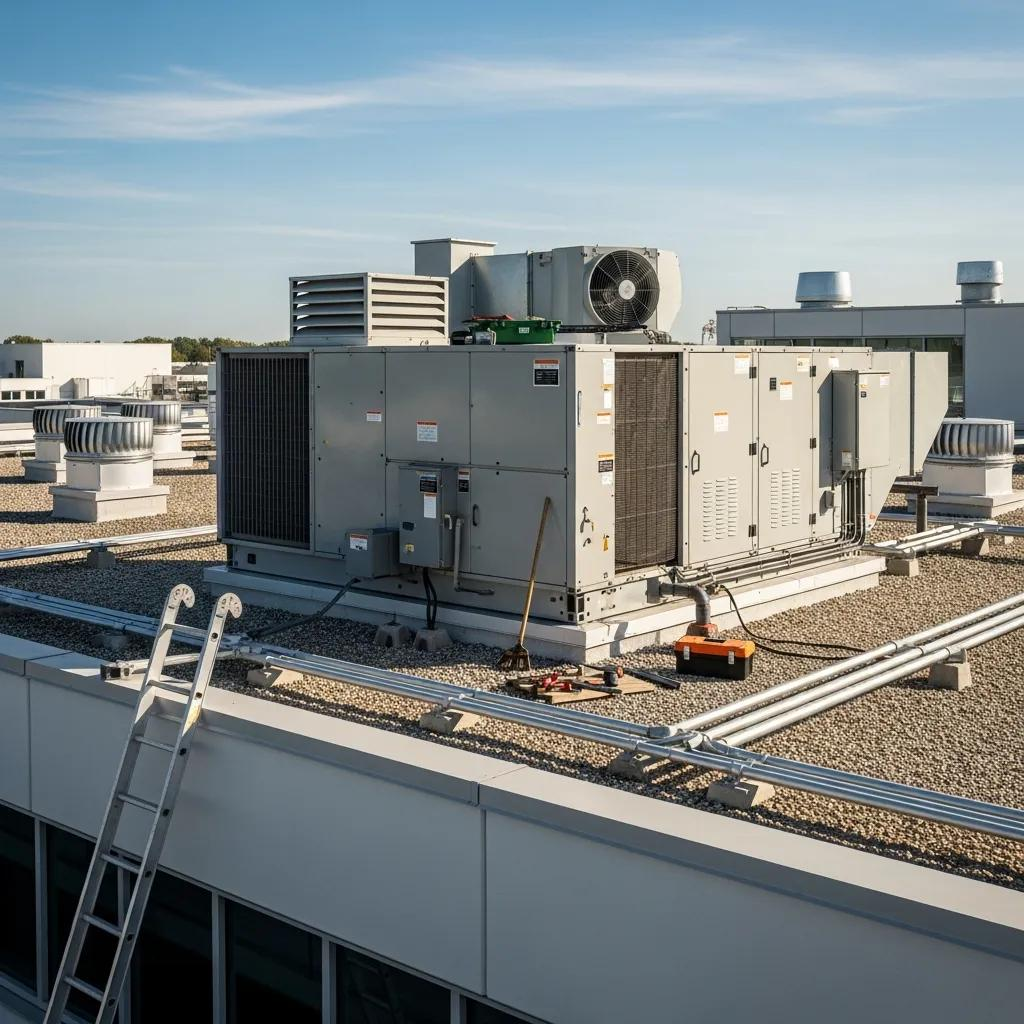
Comprehensive RTU Maintenance & Preventive Care Guide for Commercial Rooftop Units
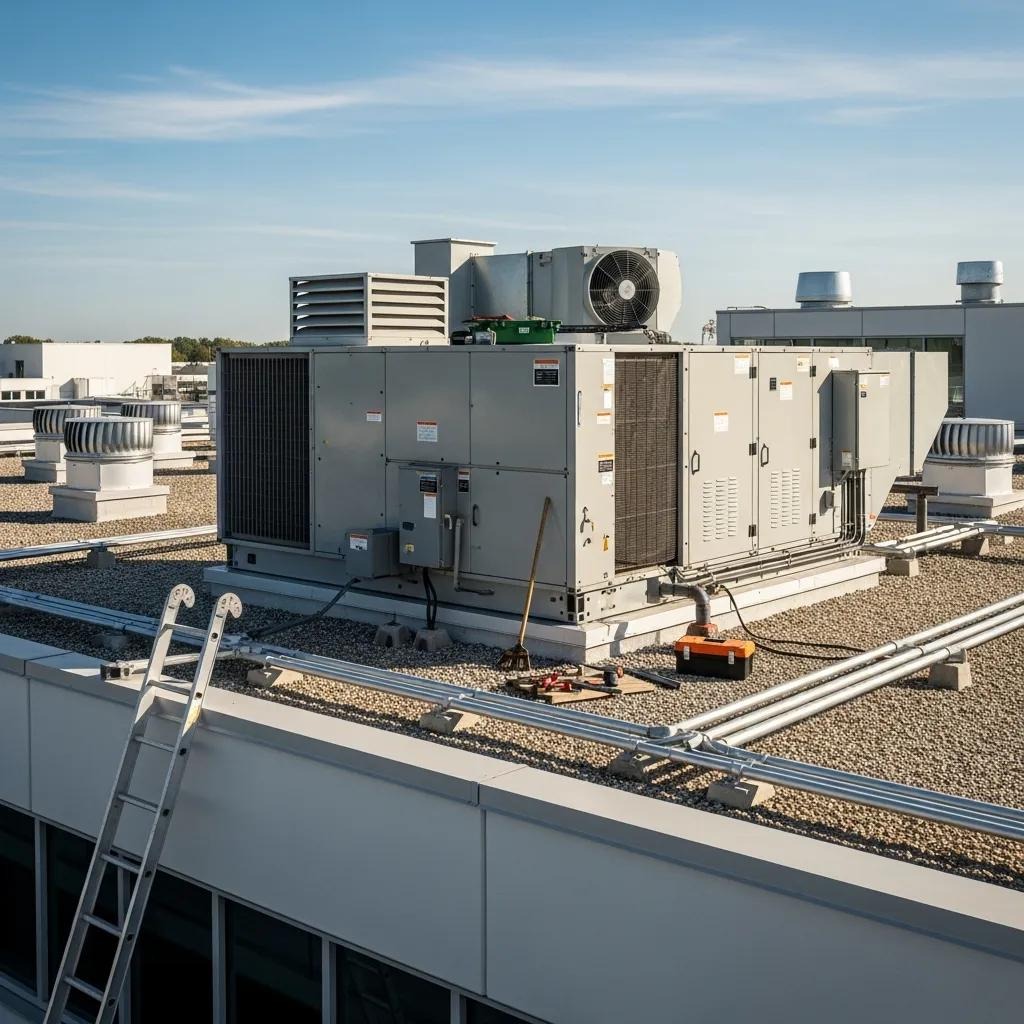
Regular maintenance of commercial rooftop units (RTUs) is crucial for ensuring optimal performance and longevity. These systems are integral to maintaining comfortable indoor environments in commercial spaces, and neglecting their upkeep can lead to costly breakdowns and inefficient operation. This guide provides a comprehensive overview of RTU maintenance and preventive care, detailing the importance of regular service, key maintenance practices, and how to effectively manage your rooftop units. By understanding the mechanisms behind RTU maintenance, you can significantly enhance energy efficiency and reduce operational costs. We explore essential topics, including the benefits of regular maintenance, effective tune-up checklists, and common issues faced by RTUs.
This article is written for facility managers, building owners, and maintenance teams who want practical, actionable guidance for commercial HVAC rooftop units. It assumes a general familiarity with RTU components and focuses on clear procedures, decision criteria for repairs versus routine upkeep, and considerations when selecting a service provider.
Why Is Regular Commercial Rooftop Unit Maintenance Essential?
Regular maintenance of commercial rooftop units is essential for several reasons. First, it helps prevent costly breakdowns that can disrupt business operations and lead to expensive repairs. Second, routine maintenance extends the lifespan of the equipment, ensuring that it operates efficiently for years to come. Lastly, consistent upkeep maintains peak efficiency, which is vital for energy conservation and reducing operational costs. By prioritizing regular maintenance, businesses can safeguard their investments and ensure a comfortable environment for employees and customers alike.
In practice, maintenance reduces sudden failures by catching small problems early: a worn belt, a loose electrical connection, or a clogged drain can be repaired quickly when found during an inspection rather than causing a cascade of failures later. Well-documented maintenance work also helps with warranty compliance and resale value when an RTU reaches replacement age.
How Does Preventive Care Improve RTU Efficiency and Longevity?
Preventive care plays a significant role in enhancing the efficiency and longevity of rooftop units. By implementing a proactive maintenance strategy, businesses can identify and address potential issues before they escalate into major problems. This approach not only improves energy efficiency but also contributes to cost savings over time. Regular inspections and maintenance tasks, such as cleaning and replacing filters, ensure that the RTU operates at optimal performance levels. Consequently, preventive care is a smart investment for any commercial establishment relying on HVAC systems.
Preventive care combines scheduled inspections, routine cleaning, and small corrective actions. For example, keeping coils clean preserves heat transfer performance, while ensuring proper refrigerant charge and airflow avoids compressor strain. Over time these practices keep the system within intended operating windows and reduce wear on moving parts.
What Are the Key Steps in an Effective RTU Tune Up Checklist?
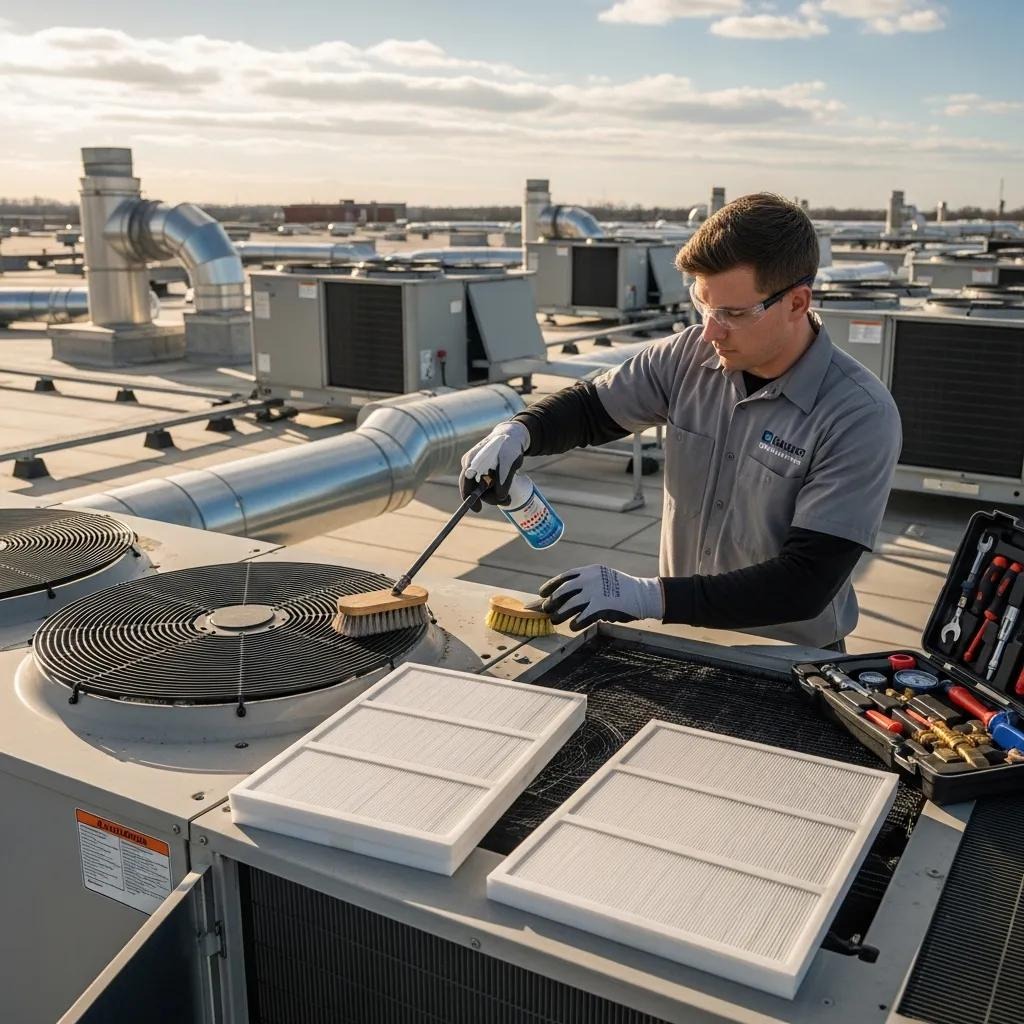
An effective RTU tune-up checklist includes several critical steps to ensure the system operates efficiently. Here are the key components:
• Semi-Annual Inspections: Conduct thorough inspections twice a year to identify any potential issues.
• Coil Cleaning: Clean the evaporator and condenser coils to enhance heat exchange efficiency.
• Filter Changes: Replace air filters regularly to maintain optimal airflow and indoor air quality.
• Electrical & Control Checks: Inspect electrical connections, contactors, and control settings; verify thermostat calibration and control logic.
• Refrigerant & Performance Verification: Check refrigerant levels, pressures, and system performance; log operating superheat and subcooling where applicable.
• Drain & Condensate Maintenance: Clear drain pans and condensate lines to prevent overflow and microbial growth.
By following this checklist, businesses can ensure their rooftop units remain in peak condition, reducing the likelihood of unexpected breakdowns and improving overall system predictability.
How to Perform Filter Replacement and Coil Cleaning Correctly
Proper filter replacement and coil cleaning are vital for maintaining RTU efficiency. To replace the filter, first, turn off the unit and locate the filter compartment. Remove the old filter and insert a new one, ensuring it fits snugly. For coil cleaning, use a soft brush or vacuum to remove dust and debris from the coils. If necessary, apply a coil cleaner and rinse with water, taking care not to damage the fins. Regularly performing these tasks will help maintain airflow and improve the overall efficiency of the RTU.
Practical tips: always follow the manufacturer's recommended filter rating (MERV) for your application, and document the filter type and change date. When cleaning coils, protect nearby electrical components, and allow coils to dry fully before restarting the unit. If coils are heavily fouled or fins are bent, consider professional fin combing or a full coil service.
For facilities with multiple units, maintain a simple log showing filter type, installation date, coil cleaning date, and any corrective actions taken. Logs simplify lifecycle planning and can identify recurring issues tied to building conditions or outdoor air quality.
How Can RTU Preventive Maintenance Reduce Energy Costs?
Implementing preventive maintenance for rooftop units can lead to significant energy cost reductions. Regular inspections and maintenance tasks, such as cleaning coils and changing filters, ensure that the system operates efficiently. An efficiently running RTU consumes less energy, which translates to lower utility bills. Additionally, by addressing minor issues before they escalate, businesses can avoid costly repairs and downtime, further contributing to overall savings.
Energy savings occur because components operate within designed tolerances. Clean coils require less compressor work, correct airflow reduces fan energy, and properly adjusted controls avoid unnecessary run-time. Over a year, these incremental improvements add up and help stabilize utility cost variability across seasons.
Consider pairing preventive maintenance with simple operational steps such as setpoint optimization, staged cooling where available, and ensuring rooftop equipment is not shaded or obstructed. These measures complement mechanical maintenance and maximize efficiency gains.
What Are the Latest Energy-Efficient RTU Technologies?
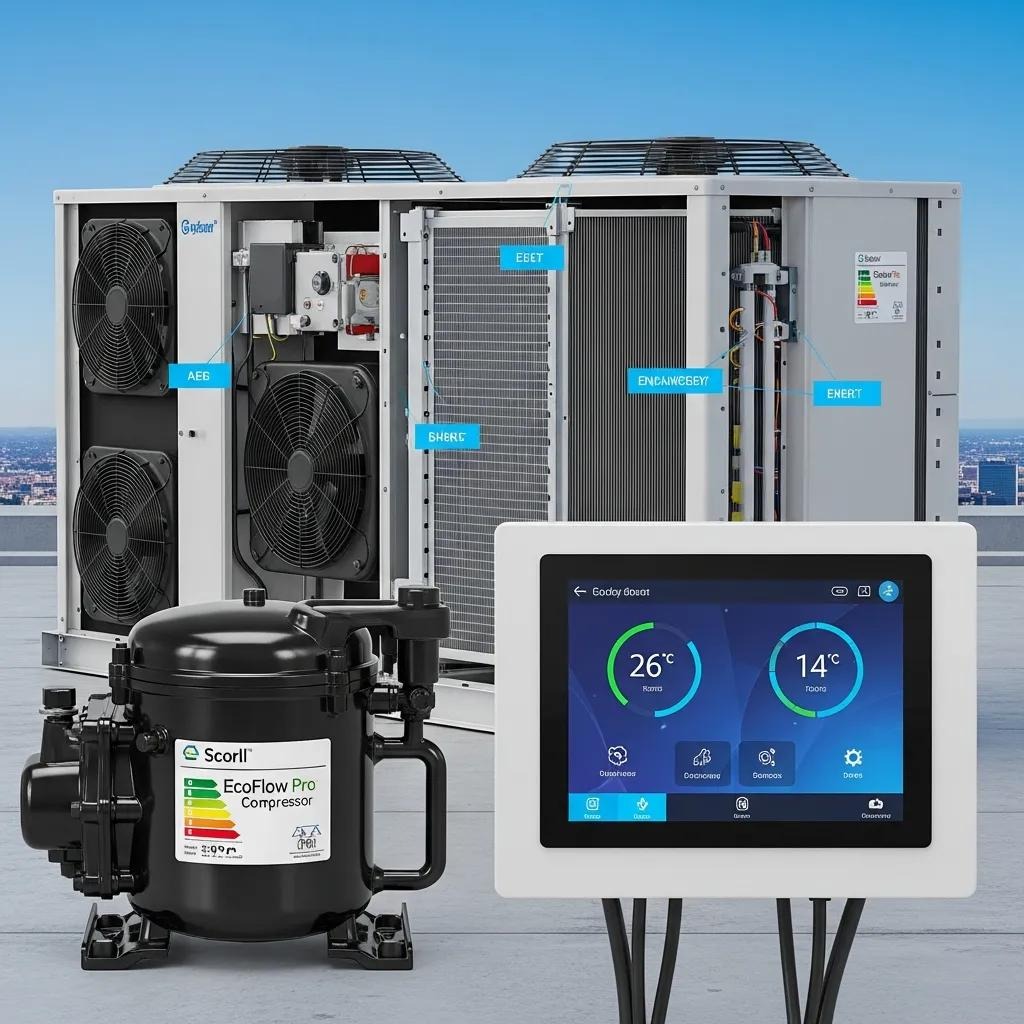
The HVAC industry is continually evolving, with new energy-efficient technologies emerging for rooftop units. High-efficiency compressors and smart controls are among the latest advancements. These technologies optimize energy use by adjusting the system's operation based on real-time conditions, leading to improved efficiency and reduced energy consumption. By investing in these modern technologies, businesses can enhance their HVAC systems' performance while also contributing to sustainability efforts.
Practical implementations of energy-efficient technologies include variable-speed compressors and fans, integrated sensors for outdoor and return air conditions, demand-controlled ventilation tied to CO2 or occupancy sensors, and smart sequencing across multiple rooftop units to balance load. When retrofitting older RTUs, prioritize control upgrades and airflow improvements before pursuing full equipment replacement; controls often yield quick operational improvements at modest cost.
What Are Common RTU Problems and How to Troubleshoot Them?
Common issues faced by rooftop units include frequent breakdowns, inadequate cooling, and unusual noises. Troubleshooting these problems often begins with checking the thermostat settings and ensuring that the unit is receiving power. If the RTU is not cooling effectively, it may be due to dirty filters or coils, which should be cleaned or replaced. Unusual noises can indicate mechanical issues, such as worn bearings or loose components, which may require professional attention. Regular maintenance can help prevent these problems from occurring in the first place.
A practical troubleshooting sequence:
• Verify power and safety interlocks (fuses, breakers, disconnects).
• Confirm thermostat setpoint, control mode, and schedule.
• Check airflow: filters, dampers, and supply/return grilles for obstructions.
• Inspect coils and refrigerant lines for visible damage or icing.
• Listen for unusual mechanical noises and inspect fans, motors, and belts.
• Log temperatures and pressures for comparison with expected operating ranges.
When an issue persists after basic checks, document observed symptoms and recent maintenance history before engaging a qualified technician. Clear documentation—dates, readings, and actions taken—enables faster diagnosis and reduces on-site labor time.
When Should You Schedule Repairs Versus Routine Maintenance?
Understanding when to schedule repairs versus routine maintenance is crucial for effective RTU management. Routine maintenance should be scheduled at least twice a year, ideally before peak heating or cooling seasons. Repairs, on the other hand, should be addressed immediately when issues arise. Prompt attention to repairs can prevent further damage and ensure the system operates efficiently. By maintaining a regular maintenance schedule and being proactive about repairs, businesses can extend the lifespan of their rooftop units.
Use the following guidance to prioritize actions:
• Routine maintenance — scheduled inspections, filter changes, and coil cleaning to prevent problems.
• Planned repairs — components showing wear or underperformance that can be scheduled during non-peak hours.
• Emergency repairs — total loss of cooling/heating, electrical hazards, or water leaks that threaten operations or safety.
A preventive maintenance contract with clearly defined response times and escalation procedures helps balance routine work and urgent repairs while protecting operational continuity.
How Much Does Commercial RTU Maintenance Cost and What Payment Options Are Available?
The cost of commercial RTU maintenance varies depending on factors such as unit size and the scope of services required. Typically, businesses invest in routine maintenance plans that cover inspections, cleaning, and minor repairs. While exact pricing differs, we recommend consulting with HVAC professionals to determine the best maintenance plan tailored to your specific needs.
Cost components to consider when budgeting include labor for inspections, cleaning, and basic repairs; replacement parts such as filters, belts, and contactors; consumables like coil cleaner and lubricants; and any diagnostic or meter-based testing required for performance verification.
Payment options commonly available through HVAC providers include monthly maintenance agreements, seasonal service packages, and flexible payment plans for larger retrofit or replacement projects. When evaluating proposals, compare scope of work, included parts, response time, and any performance guarantees rather than price alone.
What Promotions and Flexible Payment Plans Does Compass Heating and Cooling Offer?
At Compass Heating and Cooling, we offer various promotions and flexible payment plans to make HVAC maintenance more accessible for businesses. These options make routine maintenance easier to plan and help ensure rooftop units receive consistent, timely care. By taking advantage of these promotions, you can maintain your HVAC systems without compromising your budget.
If you are considering Compass Heating and Cooling for ongoing service, ask us for written details about what each promotion includes, maintenance plan tiers, and any applicable exclusions. Understanding contract length and cancellation terms will help align our offerings with your facility's needs.
How Do You Schedule Professional Rooftop HVAC Service Near Me?
Scheduling professional rooftop HVAC service is straightforward. You can contact local HVAC service providers to discuss your needs and arrange for an inspection or maintenance appointment. It is essential to choose a reputable provider with experience in commercial rooftop units to ensure quality service. Compass Heating and Cooling is a trusted option for businesses in Northern Colorado, CO, specializing in comprehensive HVAC solutions.
When evaluating local providers, consider these selection criteria: proof of insurance and licensing, commercial experience with rooftop units, references from similar facilities, clear pricing and scope documents, and available emergency response times. A short on-site walk-through or photo exchange before scheduling helps us prepare the correct tools and parts.
What to Expect During Your RTU Service Appointment with Compass Heating and Cooling
During a service appointment with Compass Heating and Cooling, you can expect a thorough inspection of your rooftop units. Our technicians perform routine maintenance tasks, including cleaning coils, replacing filters, and checking system components for wear. Additionally, we provide recommendations for any necessary repairs or upgrades to enhance system performance. This comprehensive approach ensures that your rooftop units operate efficiently and reliably, providing peace of mind for your business.
Typical on-site activities include an initial safety check, visual inspection, filter change, coil cleaning as needed, verification of electrical connections and motor operation, refrigerant circuit checks, and a short operational test with temperature and pressure readings logged. After the visit, you will receive a service report summarizing findings, recommended actions, and the parts replaced.
For multi-unit sites, our technicians can provide phased recommendations to prioritize work by urgency and budget. A clear service report and recommendations help facility teams plan longer projects such as control upgrades or staged equipment replacements.
• Semi-Annual Inspections — Frequency: Twice a year — Benefits: Prevents breakdowns, extends lifespan
• Coil Cleaning — Frequency: Annually — Benefits: Improves efficiency, enhances cooling
• Filter Replacement — Frequency: Quarterly — Benefits: Maintains airflow, improves air quality
• Electrical & Controls Check — Frequency: Semi-Annual — Benefits: Reduces failures, ensures safe operation
• Drain Pan & Condensate Line Clearing — Frequency: Annually / As needed — Benefits: Prevents overflow, reduces microbial risk
• Belt & Pulley Inspection — Frequency: Annually — Benefits: Reduces vibration, extends motor life
This table summarizes essential maintenance tasks and their benefits, highlighting the importance of regular upkeep for rooftop units.
• High-Efficiency Compressors — Feature: Variable speed operation — Benefit: Reduces energy consumption
• Smart Controls — Feature: Real-time adjustments — Benefit: Optimizes system performance
• Advanced Filtration — Feature: Enhanced air purification — Benefit: Improves indoor air quality
• Demand-Control Ventilation — Feature: Occupancy / CO2 sensing — Benefit: Matches ventilation to need, saves energy
• Remote Monitoring — Feature: Cloud telemetry and alerts — Benefit: Enables faster fault detection and response
This table compares the latest energy-efficient technologies for rooftop units, showcasing their features and benefits for commercial applications.
By following the guidelines outlined in this comprehensive RTU maintenance and preventive care guide, you can ensure your rooftop units operate efficiently and effectively. Regular maintenance not only extends the lifespan of the equipment but also contributes to significant energy savings and improved indoor air quality. For professional assistance, consider reaching out to Compass Heating and Cooling, a leading HVAC service provider in Northern Colorado, CO, to help manage your rooftop unit maintenance needs.
Before implementing changes, compile simple baseline metrics such as supply and return air temperatures, static pressures, and runtime hours for each unit. Baseline data makes it possible to measure the effect of maintenance and upgrades and to prioritize investments that deliver the best operational return.
Partner with Compass Heating and Cooling for Your RTU Maintenance Needs
At Compass Heating and Cooling, we are committed to helping you enhance the efficiency and longevity of your commercial rooftop units while reducing energy costs. Regular upkeep prevents costly breakdowns and ensures a comfortable environment for your employees and customers. Contact us today for tailored solutions and expert assistance. Invest in the health of your HVAC systems and experience the benefits of professional care.
A consistent, documented maintenance program, combined with targeted technology upgrades and a trusted service partner like Compass Heating and Cooling, helps building owners control operating costs, improve occupant comfort, and protect capital investments. Start with a clear plan, keep good records, and review unit performance annually to keep rooftop equipment running reliably year after year. Schedule Your Service Today.
hear what our satisfied clients have to say
Our clients consistently praise our exceptional service and attention to detail. They appreciate the personalized approach we take to meet their unique needs, ensuring satisfaction every step of the way.
.png)