


The Ultimate Guide to Compass Club Maintenance Plan Value

Is the Compass Club Maintenance Plan Worth It in a Hot Summer and Cold Winter Colorado Climate?
Is the Compass Club maintenance plan worth it in a hot summer and cold winter Colorado climate? For most Northern Colorado homeowners, the answer is yes — and the reasons come down to how hard your HVAC system actually works here.
Quick Answer:
• Hot summers push air conditioners to their limits, increasing the risk of compressor failure, refrigerant leaks, and capacitor burnout
• Cold winters stress furnaces and heat pumps with heavy, sustained heating loads and dramatic temperature swings
• Wildfire smoke, low humidity, and dry air accelerate filter clogging and reduce indoor air quality
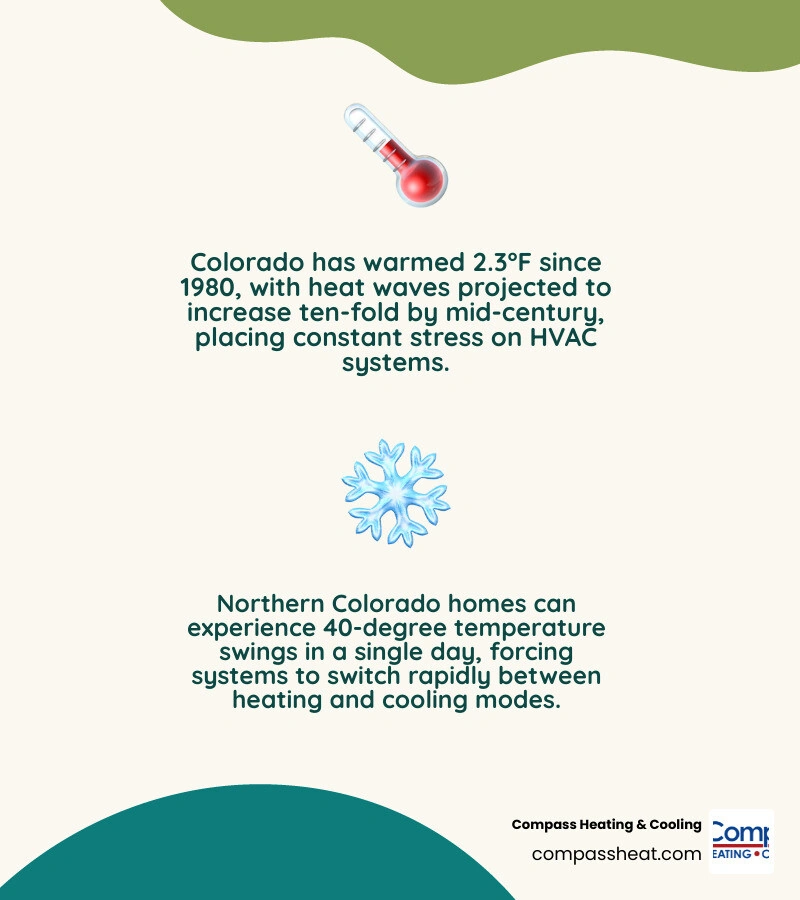
• Colorado's climate is getting more extreme — statewide temperatures have already warmed by 2.3°F since 1980, and heat waves are projected to increase in frequency by as much as ten-fold by mid-century
• The Compass Club plan addresses all of this with seasonal tune-ups, priority scheduling, repair discounts, and waived service call fees — catching small problems before they become expensive emergencies
For homeowners with systems that are several years old or who have experienced unreliable performance across seasons, the Compass Club plan is built specifically for conditions like these.
Colorado's climate does not go easy on HVAC equipment. Summers are getting hotter, winters still bite hard, and the gap between the two creates constant mechanical stress on your system. A well-maintained system lasts 15 to 20 years; a neglected one can fail in 8 to 12. In a state where a summer breakdown or a mid-January furnace failure is a genuine emergency, having a plan in place is less of a luxury and more of a practical decision.
Colorado’s Extreme Climate and Its Impact on HVAC Systems
Living in Northern Colorado—whether in Fort Collins, Loveland, Windsor, or Greeley—means experiencing some of the most dramatic seasonal shifts in the country. Our unique geography at the intersection of the high plains and the Front Range makes us susceptible to rapid weather changes. It is not uncommon to see a 40-degree temperature swing in a single day, forcing your home comfort systems to transition from heating to cooling in a matter of hours.
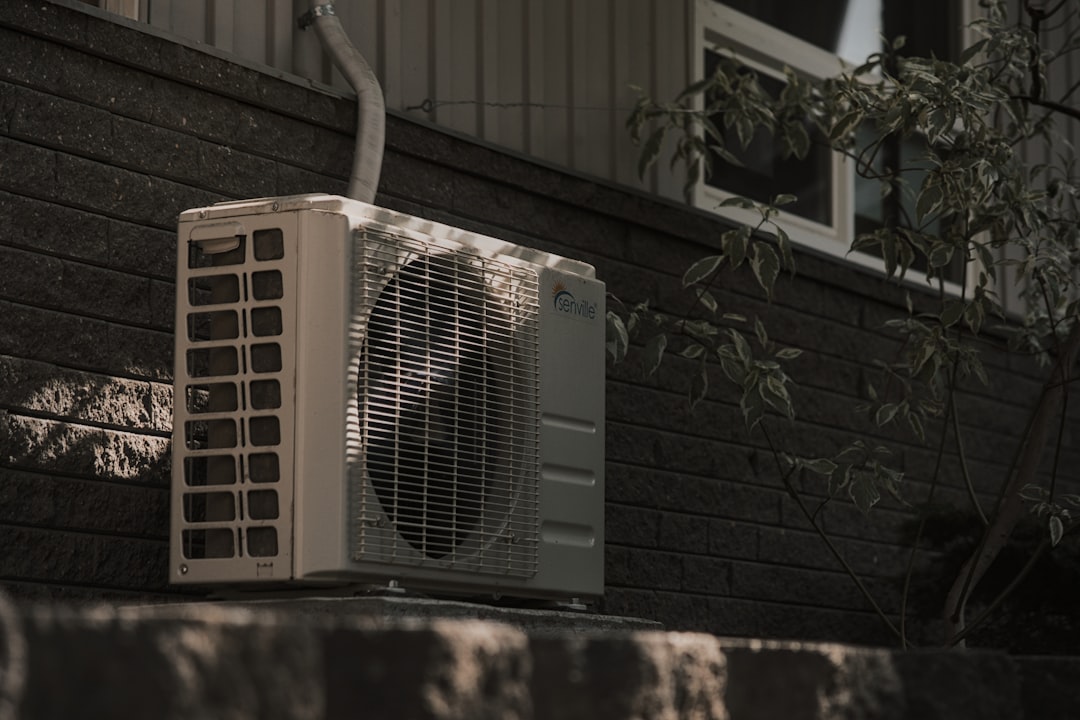
These extreme fluctuations place incredible mechanical stress on your heating and cooling systems. In the summer, our dry, high-altitude climate experiences intense solar radiation. As of 2026, climate data shows that statewide annual average temperatures warmed by 2.3°F from 1980 to 2022, with only one year in the 21st century registering cooler than the 20th-century average. Furthermore, scientists project that by 2050, Colorado temperatures will rise by another +2.5°F to +5.5°F.
With heat waves projected to increase in frequency by up to ten-fold by mid-century, your air conditioner has to work significantly harder and run longer cycles just to keep your living space liveable. This is why knowing How Often Should You Service Your Air Conditioner in a Hot Dry Colorado Climate is crucial. Without professional oversight, an AC operating under these conditions experiences rapid efficiency loss. In fact, aging systems typically lose about 5% of their operating efficiency every year they go without service, which can translate to a 25% increase in your utility bills over just five years.
Conversely, our winters remain notoriously cold and demanding. When freezing arctic fronts sweep through the Front Range, your furnace or heat pump must run almost continuously. If you use a heat pump, understanding How to Compare Heat Pump Efficiency for a Hot Summer and Cold Winter Front Range Climate becomes essential. Modern cold-climate heat pumps are fantastic for our region, but they require precise refrigerant charges and spotless outdoor coils to extract heat from freezing air efficiently.
When a system is forced to bounce between these two extreme workloads without a break, minor mechanical issues quickly snowball into major system failures.
Common HVAC Challenges Faced by Colorado Homeowners
The specific environmental factors of Northern Colorado create a unique set of challenges that can compromise your heating and cooling equipment.
Here are the most common issues we see in communities like Wellington, Severance, Johnstown, and Berthoud:
• Airflow Blockages from Dust and Debris: Our dry climate and high winds carry significant amounts of dust, agricultural particulates, and pollen. This debris settles directly into the delicate fins of your outdoor condenser coil, choking off the heat exchange process and forcing your system to consume far more energy.
• Wildfire Smoke and Airborne Ash: In recent decades, Colorado has experienced a massive increase in the number of large wildfires and annual acreage burned. Wildfire smoke carries fine particulate matter that quickly cakes indoor air filters, stresses blower motors, and severely degrades indoor air quality.
• Low Winter Humidity: Dry winter air forces heating systems to run longer to maintain perceived warmth, since dry air holds less heat than humidified air. This dry environment also dries out wooden home furnishings and aggravates respiratory pathways.
• Electrical Component Failures: Extreme heat causes electrical components, particularly capacitors and contactors, to degrade rapidly. A failed capacitor is one of the most common reasons an air conditioner stops blowing cold air on a hot July afternoon.
• Furnace Short-Cycling: Dust buildup on flame sensors, clogged condensate lines, or restricted airflow can cause your furnace to shut down prematurely. This rapid cycling not only leaves your home cold but also causes severe wear and tear on the heat exchanger.
If you are dealing with an aging cooling system, you might find yourself asking Is a 12 to 15 Year Old AC Worth Fixing in a Northern Colorado Home. Often, consistent maintenance is the only thing keeping these older units running safely. By practicing proactive care, you can Reduce Repair Costs with Consistent Furnace Maintenance Tips and prevent a total system breakdown when you need your heating system the most.
Is the Compass Club Maintenance Plan Worth It in a Hot Summer and Cold Winter Colorado Climate?
When evaluating if a structured service agreement is a smart investment, it helps to look at exactly what you receive. The Compass Club is not a reactive home warranty; it is a proactive safety net designed to keep your home comfortable year-round.
The core of the Maintenance Plan centers around twice-yearly professional tune-ups. Our certified technicians perform a comprehensive inspection tailored to the season: a cooling-focused visit in the spring and a heating-focused visit in the fall. Following a structured Seasonal HVAC Maintenance Tips Calendar ensures your equipment is fully prepared for the upcoming weather extremes.
During these visits, we don't just look at your system; we actively improve its operating state. We clean condenser coils, test electrical connections, measure airflow, calibrate thermostats, flush condensate drains, and inspect heat exchangers for safety.
Beyond the tune-ups, the Compass Club provides several key benefits that make it incredibly valuable during peak heating and cooling seasons:
1. Priority Scheduling: When temperatures plummet below zero or soar past 95 degrees, HVAC service companies are flooded with emergency calls. As a Compass Club member, your name goes directly to the top of our service queue, ensuring you receive prompt attention while non-members face lengthy wait times.
2. Waived Service Call Fees: If your system does experience an issue, your diagnostic and service call fees are waived. This removes the hesitation of calling a professional when you suspect something is wrong, allowing us to catch minor issues before they become catastrophic.
3. Repair Discounts: Members receive substantial discounts on parts and labor for any necessary repairs, providing immediate savings when unexpected issues arise.
Homeowner Verdict: Is the Compass Club Maintenance Plan Worth It in a Hot Summer and Cold Winter Colorado Climate?
For our customers across Evans, Timnath, and Loveland, the true value of the Compass Club plan goes beyond simple math—it is about peace of mind. Knowing that your heating and cooling systems have been professionally inspected, cleaned, and calibrated before the extreme seasons arrive removes the anxiety of seasonal transitions.
Regular maintenance also acts as an insurance policy for your equipment's warranty. Most major HVAC manufacturers explicitly state in their terms that their 10-year parts warranty is only valid if the homeowner can provide documented proof of regular, professional maintenance. If a major component like a compressor or heat exchanger fails, having a documented history of Compass Club visits ensures your warranty claims are processed smoothly, saving you from significant out-of-pocket replacement costs.
Furthermore, a well-maintained system is a highly efficient system. By keeping coils clean, electrical connections tight, and blowers unobstructed, your equipment achieves optimal HVAC Energy Efficiency. This means lower monthly utility bills, a smaller carbon footprint, and a home that stays consistently comfortable no matter how extreme the weather gets outside.
Financial Breakdown: Is the Compass Club Maintenance Plan Worth It in a Hot Summer and Cold Winter Colorado Climate?
To understand the financial return on investment of a maintenance plan, it is helpful to compare a proactive maintenance strategy against a reactive "pay-as-you-go" approach.

• Seasonal Tune-Ups — Compass Club Member: Two comprehensive visits included annually (Spring & Fall) — Pay-As-You-Go (No Plan): Paid individually per visit
• Diagnostic / Service Call Fee — Compass Club Member: Waived for covered issues — Pay-As-You-Go (No Plan): Standard fee charged per visit
• Emergency Peak-Season Wait Times — Compass Club Member: Priority scheduling (front-of-line pass) — Pay-As-You-Go (No Plan): Standard queue (can be days during extreme weather)
• Repair Costs — Compass Club Member: Member-only discounts on all parts and labor — Pay-As-You-Go (No Plan): Full retail price for all parts and labor
• System Lifespan — Compass Club Member: Maximized (typically 15 to 20 years) — Pay-As-You-Go (No Plan): Reduced (often fails early at 8 to 12 years)
• Manufacturer Warranty Status — Compass Club Member: Fully protected with documented service records — Pay-As-You-Go (No Plan): Risk of voided warranty due to neglect
• Monthly Energy Bills — Compass Club Member: Optimized efficiency (up to 10-25% lower energy use) — Pay-As-You-Go (No Plan): Gradually increases as dirt and wear strain the system
When you consider the Average Lifespan of a Central Air Conditioner in a Hot Dry Front Range Climate, keeping your system running efficiently for an extra 5 to 7 years provides massive long-term financial relief.
If you do find yourself facing a breakdown, our AC Repair vs Replace Decision Guide for Northern Colorado can help you weigh your options. However, the goal of the Compass Club is to prevent you from having to make that difficult decision prematurely.
Frequently Asked Questions about Colorado HVAC Maintenance
How often should I schedule HVAC maintenance in Colorado's climate?
We highly recommend scheduling professional maintenance twice a year.
Your cooling system should be serviced in the spring (before the summer heatwaves begin) to clean the outdoor condenser coils, check refrigerant levels, and inspect electrical components. Your heating system should be serviced in the fall (before the first freeze) to inspect the heat exchanger for safety, clean the burners, and ensure the system is ready to handle sustained sub-zero temperatures safely and efficiently.
Can regular HVAC maintenance help with wildfire smoke and indoor air quality?
Yes, absolutely. During our maintenance visits, we inspect your home's filtration system and can recommend upgrades to higher MERV-rated filters that are designed to capture fine wildfire smoke, dust, and pollen.
We also inspect and clean blower assemblies to ensure they are not circulating trapped dust throughout your living spaces. Additionally, we can integrate whole-home indoor air quality solutions, such as humidifiers and air purifiers, to keep your indoor air healthy and comfortable during our dry winters.
Does a maintenance plan protect my manufacturer warranty?
Yes. Nearly all major HVAC manufacturers require documented annual professional maintenance to keep their multi-year parts warranties valid. If a critical component fails and you cannot provide proof of regular maintenance, the manufacturer may deny your warranty claim.
As a Compass Club member, we maintain complete, detailed service records of every visit, giving you the documentation you need to protect your investment.
Conclusion
When you look at the extreme temperature swings, rising summer heat, bitter winter cold, and airborne dust unique to Northern Colorado, investing in a structured maintenance agreement is highly practical.
Is the Compass Club maintenance plan worth it in a hot summer and cold winter Colorado climate? By preventing expensive emergency breakdowns, keeping your utility bills low, preserving your manufacturer warranties, and giving you priority service when you need it most, the plan easily pays for itself in both financial savings and peace of mind.
At Compass Heating & Cooling, we are dedicated to keeping homes comfortable across Fort Collins, Loveland, Windsor, Wellington, Severance, Timnath, Johnstown, Greeley, Berthoud, and Evans. We also specialize in helping our customers maximize their savings by handling utility rebates of up to $8,000+ for qualifying high-efficiency system upgrades.
Don't wait for the next extreme weather event to test your system's limits. Schedule Expert AC Maintenance Today and find out how the Compass Club can protect your home comfort for years to come.
hear what our satisfied clients have to say
Our clients consistently praise our exceptional service and attention to detail. They appreciate the personalized approach we take to meet their unique needs, ensuring satisfaction every step of the way.
.png)