



Step-by-Step Guide to How Heat Pumps Work for Heating and Cooling in Colorado
How a Heat Pump Heats and Cools Your Colorado Home — Quick Answer
How does a heat pump work for both heating and cooling in Colorado comes down to one elegant idea: instead of burning fuel to create heat, a heat pump moves heat from one place to another using a small amount of electricity.
Here is how it works in plain terms:
1. In winter: The heat pump pulls heat energy from the cold outdoor air and transfers it inside your home.
2. In summer: It reverses the process — pulling heat from inside your home and releasing it outdoors, just like a central air conditioner.
3. The switch: A component called a reversing valve flips the direction of refrigerant flow, turning the same system from a heater into a cooler and back again.
4. The efficiency edge: Because it moves heat rather than generates it, a heat pump can deliver 2 to 4 units of heat energy for every 1 unit of electricity it consumes — making it 2 to 4 times more efficient than electric resistance heating.
For Colorado homeowners on the Front Range, that matters a lot. Heating and cooling account for nearly half of home energy use, and Northern Colorado winters can swing from mild afternoons to subzero nights within hours. A properly sized, cold-climate heat pump handles the full range — and with the rebates available in 2026, the timing has never been better to make the switch.
Jon and Rachel Rea, a Boulder couple who replaced their gas furnace with a heat pump, put it simply when a bomb cyclone dropped temperatures to -18°F: the system kept them comfortable without a backup furnace in sight.
How Does a Heat Pump Work for Both Heating and Cooling in Colorado?
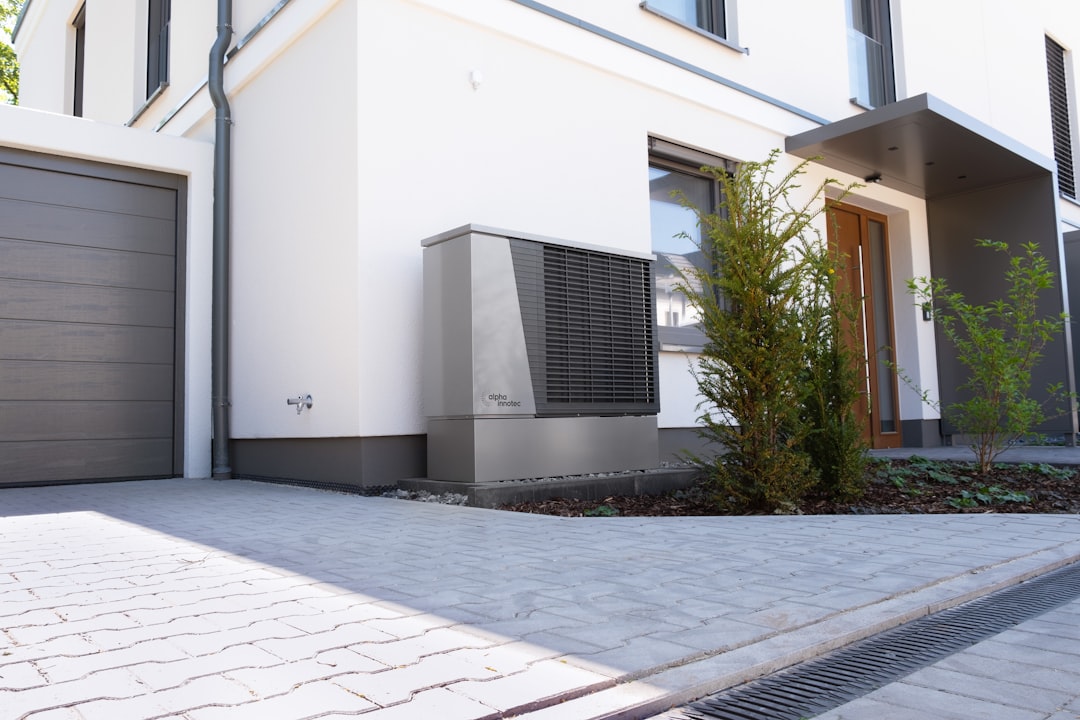
At first glance, a Heat Pump looks exactly like a standard central air conditioner. It sits outside your home, hums when it runs, and blows warm air out of the top. However, while a standard air conditioner is a one-way street—only capable of moving heat from inside your house to the outdoors—a heat pump is a two-way highway.
The secret to this seasonal versatility lies in the refrigeration cycle and a few critical components that work behind the scenes.
The Core Components
To understand how this system handles both blazing July afternoons in Greeley and freezing January mornings in Fort Collins, it helps to look at the main players inside the system:
• The Compressor: Often called the heart of the system, the compressor pumps refrigerant through the tubing. By squeezing the refrigerant gas, it raises both its pressure and its temperature.
• The Evaporator and Condenser Coils: These are loops of copper or aluminum tubing surrounded by thin metal fins. Refrigerant flows through them, absorbing heat at one coil and releasing it at the other.
• The Reversing Valve: This is the magic switch. It physically alters the path of the refrigerant, swapping which coil acts as the evaporator (absorbing heat) and which acts as the condenser (releasing heat).
• The Refrigerant: A specialized chemical fluid that circulates through the system. Refrigerants have incredibly low boiling points—often around -55°F. This low boiling point is what allows them to flash into a gas and absorb heat even when the outdoor air feels freezing to us.
When you adjust your thermostat from "Cool" to "Heat," you are sending an electrical signal to the reversing valve. It slides into a new position, instantly reversing the flow of the refrigerant and turning your cooling system into a powerful heater.
The Science Behind How Does a Heat Pump Work for Both Heating and Cooling in Colorado
It feels like magic to feel warm air blowing out of your vents when it is 15°F and snowing outside in Loveland. But it isn't magic—it is thermodynamics.
The fundamental law of thermodynamics at play is that heat naturally moves from a warmer area to a cooler area. A heat pump leverages this by manipulating the pressure of the refrigerant to make it colder than the outdoor air in the winter, and warmer than the outdoor air in the summer.
The Role of Absolute Zero
To understand how a heat pump extracts heat from cold winter air, we have to remember that "cold" is a relative term. In physics, heat energy exists in any air that is warmer than absolute zero (-459.67°F). Even when the temperature outside in Windsor is 0°F, there is still an immense amount of thermal energy floating around in the air.
The Bike Pump Effect
Have you ever noticed that the metal nozzle of a bicycle pump gets hot after you pump up a tire? That is gas compression in action. When you squeeze a gas into a smaller space, its molecules bump into each other rapidly, releasing heat.
A heat pump uses its compressor to do this on a massive scale. By compressing the vaporized refrigerant, it raises its temperature to around 105°F or higher, allowing that warmth to be transferred directly into your home’s indoor air.
Conversely, when the refrigerant passes through the expansion valve, it is allowed to expand rapidly. This sudden drop in pressure causes its temperature to plummet, turning it into an icy-cold liquid-gas mix that is ready to absorb even the tiniest amounts of heat from the outdoor environment.
Step-by-Step: How Does a Heat Pump Work for Both Heating and Cooling in Colorado Throughout the Seasons
To see how these principles translate into year-round comfort, let’s walk through the exact steps the system takes during our distinct Colorado seasons.
Winter Heating Mode (Heat Extraction)
1. Absorption: Cold, liquid refrigerant flows through the outdoor coil. Because the refrigerant is colder than the outdoor air, heat from the Colorado winter air naturally transfers into the refrigerant, causing it to boil and turn into a low-pressure gas.
2. Compression: The gas travels to the outdoor compressor, which squeezes it. The pressure rises, and the temperature spikes, turning it into a hot, high-pressure vapor.
3. Rejection (Indoor Heating): This hot vapor is pumped inside to the indoor coil. Your home’s blower fan pushes cold indoor air across this hot coil. The heat transfers from the refrigerant to your indoor air, warming your home. As the refrigerant loses heat, it condenses back into a high-pressure liquid.
4. Expansion: The liquid refrigerant passes back outside through an expansion valve, which drops its pressure and temperature, resetting the cycle to absorb more outdoor heat.
Summer Cooling Mode (Heat Rejection)
When summer arrives on the Front Range and temperatures climb, the reversing valve slides into its cooling position. Now, the system acts exactly like a traditional air conditioner:
1. Indoor Absorption: The cold refrigerant flows through your indoor coil. Your blower fan pushes hot, humid indoor air across the coil. The refrigerant absorbs the heat from your home, cooling the air.
2. Dehumidification: As the warm indoor air hits the cold coil, moisture condenses on the tubing and drains away, lowering the humidity inside your home.
3. Outdoor Rejection: The heated refrigerant vapor is pumped outside to the compressor, squeezed to raise its temperature even higher, and sent through the outdoor coil where a fan blows outdoor air across it, releasing the heat into the atmosphere.
To learn more about how this system keeps you cool during our hottest months, check out our detailed guide on Can a Heat Pump Cool My House in the Summer.
System Types: Ducted, Ductless Mini-Split, and Dual-Fuel Configurations
Every home in Northern Colorado is unique. A historic home in downtown Fort Collins has different heating and cooling needs than a newly constructed house in Severance. Fortunately, heat pumps come in three primary configurations to match any home layout.
1. Ducted Heat Pumps
If your home already has a central furnace and ductwork, a ducted heat pump is a seamless drop-in replacement. The outdoor unit connects directly to an indoor air handler or matches up with your existing furnace. This allows you to distribute even, energy-efficient heating and cooling through your existing floor or ceiling registers.
2. Ductless Mini-Split Systems
Many older homes in our area rely on hot water boiler systems with baseboard radiators, meaning they lack ductwork entirely. In the past, adding central air conditioning to these homes required tearing open walls to install bulky ducts.
Ductless mini-splits solve this problem. The outdoor unit connects to one or more indoor air handlers mounted directly on your walls or ceilings. These units only require a tiny, 2-to-3-inch penetration through your exterior wall to run the refrigerant lines and electrical wiring. This setup allows for precise zone control, letting you heat or cool individual rooms to different temperatures, saving energy in unoccupied spaces.
If you are wondering whether this technology is a good fit for your specific property, take a look at our article, Should Your Home Have a Have a Heat Pump.
3. Dual-Fuel (Hybrid) Systems
A dual-fuel system combines an electric heat pump with a high-efficiency gas furnace.
• The Strategy: The heat pump handles all the heating during mild winter days and shoulder seasons (spring and fall) when electricity is highly efficient.
• The Switch: When temperatures drop below a certain threshold (usually between 25°F and 35°F), the system automatically switches over to the gas furnace. This takes advantage of the higher energy density of natural gas on the coldest nights of the year, providing the ultimate balance of comfort and operating cost.
Cold-Climate Performance, Efficiency Ratings, and Winter Backup Options
One of the most common questions we hear in Northern Colorado is: Can a heat pump really keep up when the temperature dips below freezing?
A decade ago, standard heat pumps struggled when temperatures fell below 32°F. But modern cold-climate heat pumps (CCHPs) are engineered specifically for freezing environments. These advanced systems use variable-speed inverter compressors and specialized refrigerants to maintain high heating capacities even when outdoor temperatures drop to -13°F or lower.
Understanding the Ratings
When evaluating a heat pump, you will encounter three key efficiency metrics. Understanding these ratings is crucial for selecting a system that will perform reliably in our climate.
• SEER2 — What It Stands For: Seasonal Energy Efficiency Ratio 2 — What It Measures: Summer cooling efficiency. Higher numbers mean lower summer electric bills. — What to Look For in Colorado: Look for 16 SEER2 or higher.
• HSPF2 — What It Stands For: Heating Seasonal Performance Factor 2 — What It Measures: Winter heating efficiency over a typical season. — What to Look For in Colorado: Look for 8.5 HSPF2 or higher for solid cold-weather performance.
• COP — What It Stands For: Coefficient of Performance — What It Measures: Real-time efficiency at specific temperatures. A COP of 3.0 means the system delivers 3 units of heat for every 1 unit of electricity. — What to Look For in Colorado: Look for a system that maintains a COP above 2.0 at 5°F.
The Defrost Cycle Explained
When outdoor temperatures hover near freezing and there is moisture in the air, frost can build up on the outdoor coil of your heat pump. This frost acts like insulation, blocking airflow and reducing heat transfer.
To prevent this, the heat pump will periodically enter a defrost cycle. The system temporarily reverses back into cooling mode for 2 to 10 minutes. This sends warm refrigerant to the outdoor coil to melt the ice. To prevent cold air from blowing into your home during this brief cycle, the system automatically engages its backup heating source to keep your indoor air warm.
Winter Backup Options
Even with a high-performance cold-climate heat pump, having a backup heating source is a smart and often necessary strategy in Northern Colorado.
1. Electric Resistance Heat Strips: These are coils of wire installed inside your indoor air handler that heat up when electricity passes through them (like a giant hair dryer). They kick on during defrost cycles or on exceptionally cold nights. While 100% efficient, they use more electricity than the heat pump itself, so they are best used strictly as emergency backup.
2. Gas Furnace Backup (Dual-Fuel): As discussed, pairing your heat pump with an existing or new gas furnace provides an incredibly reliable backup. This configuration ensures you always have access to the most cost-effective heating fuel regardless of how low the thermometer drops.
For a deeper dive into how these systems integrate with your home's total comfort strategy, explore our comprehensive HVAC services.
Heat Pump vs. Traditional Furnace and AC: Lifespan, Comfort, and Maintenance
If you are deciding between a traditional furnace-and-AC combo and a modern heat pump, it is helpful to look at how they compare across three critical areas: lifespan, comfort, and ongoing care.
Lifespan and Durability
Because a heat pump operates year-round for both heating and cooling, it naturally accumulates more runtime than a system that only runs for half the year. On average, a well-maintained heat pump will last about 15 years. In contrast, a separate gas furnace might last 15 to 20 years, while a central air conditioner typically lasts 15 years.
To maximize the lifespan of your system, regular professional maintenance is essential. We recommend scheduling a cooling check-in in the spring and a heating tune-up in the fall. Homeowners in Fort Collins can easily schedule these through our Heat Pump Maintenance Fort Collins CO and Heat Pump Tune Up Fort Collins CO services.
Comfort and Indoor Air Quality
Traditional gas furnaces operate on an "all-on or all-off" cycle. They blast hot air into your home until the thermostat is satisfied, then shut down, leading to noticeable temperature swings and dry, drafty air.
Heat pumps, particularly those with variable-speed compressors, run longer, lower-intensity cycles. They adjust their heating output in tiny increments to match the exact heat loss of your home. This results in:
• Consistent Temperatures: No hot or cold spots throughout your home.
• Constant Filtration: Because the blower runs more consistently, your indoor air is continuously passed through your air filter, removing dust, pollen, and pet dander.
• Superior Dehumidification: In the summer, the steady, low-speed operation allows the indoor coil to remove significantly more moisture from the air than a standard AC.
Maintenance Requirements
Because your heat pump works hard in every season, it requires consistent homeowner care and professional attention:
• Filter Changes: Replace your return air filters every 1 to 3 months to maintain optimal airflow.
• Outdoor Clearance: Keep the outdoor unit free of leaves, grass clippings, and debris in the summer. In the winter, clear away snow and ice accumulation around and on top of the unit to ensure it can breathe.
• Coil Cleaning: Professional cleaning of both the indoor and outdoor coils prevents dirt from acting as an insulating barrier to heat transfer.
Maximizing Colorado Rebates and Incentives in 2026
There has never been a more financially advantageous time to upgrade to a heat pump in Northern Colorado. In 2026, federal, state, and local utility incentives can be stacked to dramatically reduce your out-of-pocket costs.
1. Xcel Energy Rebates
For homeowners in our service areas who use Xcel Energy for their electricity or gas, rebates are highly lucrative. High-efficiency, cold-climate certified heat pumps can qualify for significant rebates, often reaching up to $2,250 per ton (up to $9,000 total for a qualifying multi-zone system).
2. Colorado State Tax Credit
The state of Colorado offers a state tax credit for heat pump installations. In 2026, this credit provides a $1,000 discount that is applied directly at the point of sale by registered, participating contractors. This means you don't have to wait until tax season to see the savings—they are deducted directly from your installation invoice.
3. Federal HEEHRA and 25C Incentives
The High-Efficiency Electric Home Rebate Act (HEEHRA) provides up to $8,000 in point-of-sale discounts for income-qualified households upgrading to heat pumps. Additionally, federal tax credits can provide further financial relief for qualifying equipment.
How We Help
Navigating the paperwork, AHRI certificates, and utility pre-approval portals can feel overwhelming. At Compass Heating & Cooling, we handle the entire rebate process for you. We identify every incentive your home qualifies for, complete the paperwork, and ensure you maximize your savings.
Ready to plan your upgrade? Contact us today to explore your options for Heat Pump Installation Fort Collins CO and Heat Pump Replacement Fort Collins CO.
Frequently Asked Questions about Colorado Heat Pumps
Do heat pumps work in extreme Colorado winters?
Yes, modern cold-climate heat pumps perform exceptionally well in our winters. Advanced inverter-driven compressors allow these systems to extract heat from outdoor air at temperatures as low as -15°F or -22°F. However, because Northern Colorado can experience rare, extreme subzero cold snaps, we always recommend pairing your system with a backup heating source—such as electric resistance heat strips or a dual-fuel gas furnace—to ensure your home remains safe and warm no matter what.
Is a heat pump more efficient than a gas furnace?
Yes, in terms of energy efficiency, heat pumps are vastly superior. The most efficient gas furnaces max out at 98% efficiency (meaning 2% of the energy is lost through the exhaust flue). Because heat pumps move existing heat rather than generating it, they regularly achieve efficiencies of 200% to 400% (a COP of 2.0 to 4.0). This means they deliver two to four times more heat energy than the electrical energy they consume.
What maintenance does a Colorado heat pump require?
To keep your system running efficiently, you should:
1. Change your air filters every 1 to 3 months.
2. Keep the outdoor unit clear of snow, ice, leaves, and weeds.
3. Schedule professional preventive maintenance twice a year (spring and fall).
To make this easy and affordable, we offer a comprehensive Maintenance Plan that includes priority scheduling, annual tune-ups, and exclusive discounts on repairs.
Conclusion
Understanding how does a heat pump work for both heating and cooling in colorado reveals why this technology has become the gold standard for modern home comfort. By pairing the natural laws of thermodynamics with advanced cold-climate engineering, a heat pump provides steady, quiet, and incredibly efficient comfort through all four seasons.
At Compass Heating & Cooling, we are proud to serve our neighbors across Northern Colorado, including:
• Fort Collins, CO
• Loveland, CO
• Windsor, CO
• Wellington, CO
• Severance, CO
• Timnath, CO
• Johnstown, CO
• Greeley, CO
• Berthoud, CO
• Evans, CO
As your local HVAC experts, we don't just install equipment—we design custom comfort systems tailored to your home's unique layout and your family's needs. Plus, we take the headache out of upgrading by handling all local utility and state rebates on your behalf, putting thousands of dollars back in your pocket.
If you are ready to experience the year-round comfort and energy savings of a modern heat pump, we are here to help. Explore our full range of Services or schedule a consultation today to find the perfect Heat Pump solution for your home.
hear what our satisfied clients have to say
Our clients consistently praise our exceptional service and attention to detail. They appreciate the personalized approach we take to meet their unique needs, ensuring satisfaction every step of the way.
.png)