



How to Assess Hail Damage to Heat Pump Outdoor Units
Why Colorado Hail Is a Serious Threat to Your Heat Pump Outdoor Unit
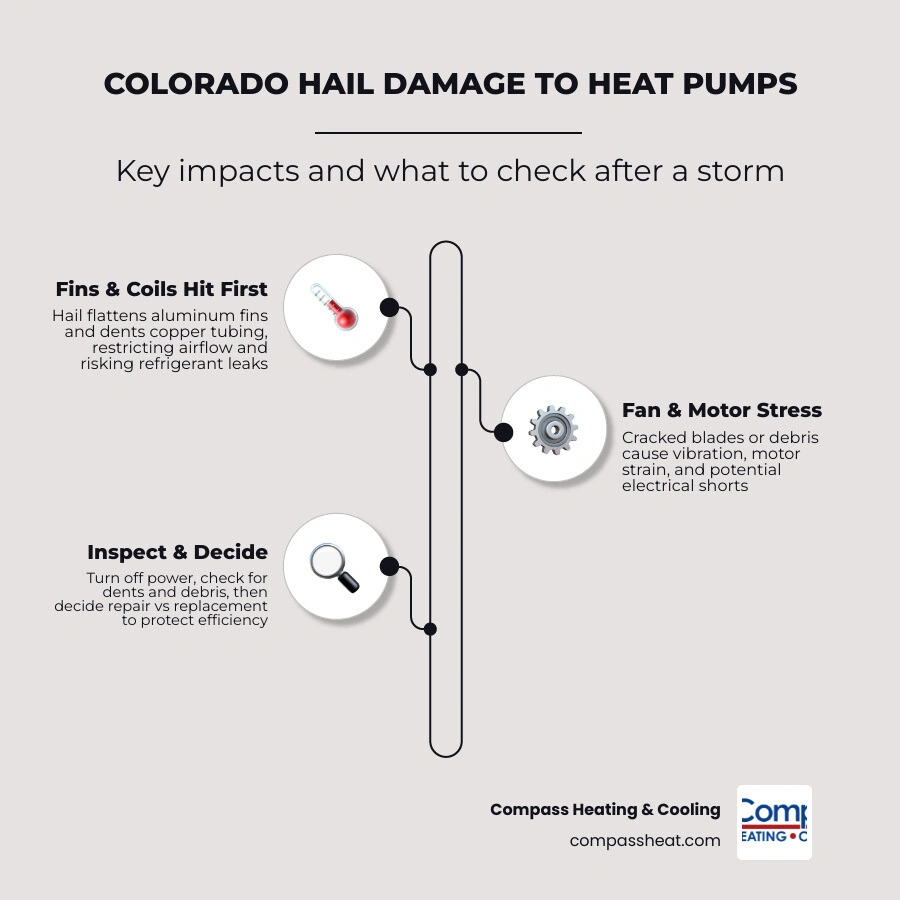
How Colorado hail damages heat pump outdoor units and what to check after a storm is something every Northern Colorado homeowner should understand before hail season arrives — not after. Colorado consistently ranks among the most hail-prone states in the country, and the National Weather Service reports roughly 7,000 hailstorms each year producing stones larger than one inch. That's more than enough force to bend fins, crack coil surfaces, and stress components that keep your heat pump running efficiently.
Here's a quick summary of what hail does and what to check:
What hail damages on your heat pump outdoor unit:
• Aluminum condenser fins (bent or flattened, blocking airflow)
• Condenser coils and copper tubing (dents or punctures causing refrigerant leaks)
• Fan blades (cracks or imbalance causing vibration and motor stress)
• Cabinet casing (dents that can misalign internal components)
• Electrical components and control boards (voltage spikes from nearby lightning during storms)
What to check immediately after a Colorado hailstorm:
1. Turn off the unit at the thermostat and breaker before inspecting
2. Look for dents, crushed fins, or cracked panels on the cabinet
3. Check fan blades for chips, cracks, or visible bending
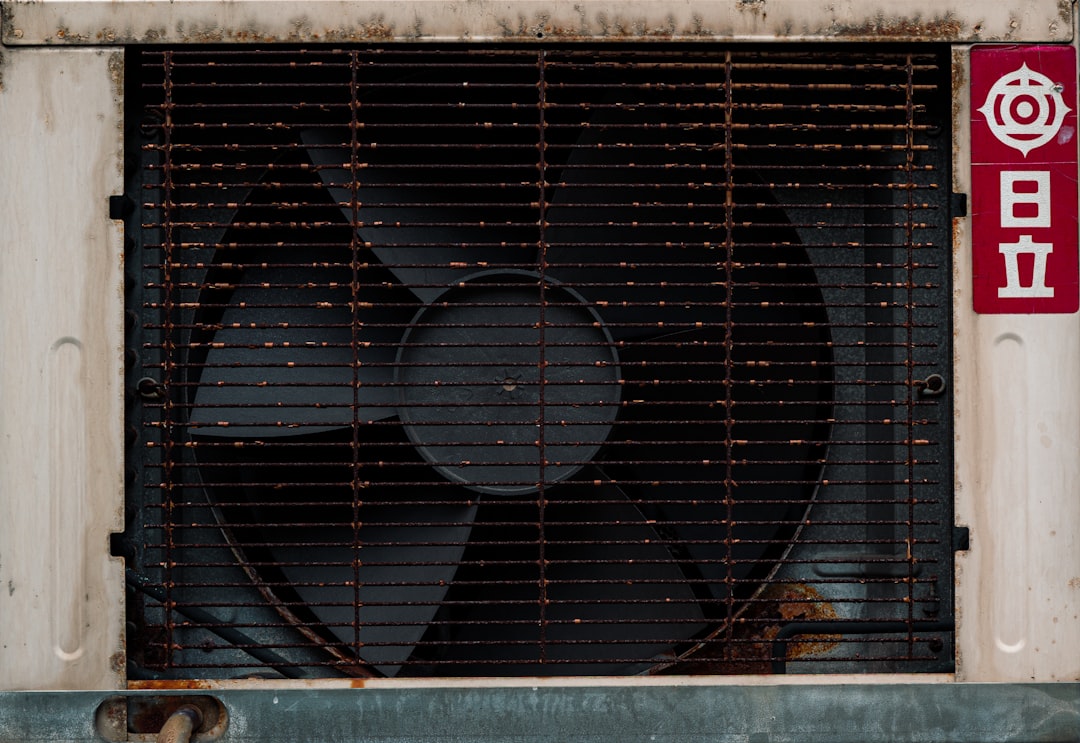
4. Look for debris lodged inside the unit through the grille
5. Listen for new grinding, rattling, or buzzing when you restart
6. Watch for weak airflow or warm air from vents in the days after
7. Monitor your energy bills for unexpected increases
What makes Colorado especially challenging is the unpredictability. Rapid temperature swings, intense summer thunderstorms rolling off the Rockies, and hail that can go from pea-sized to golf ball-sized within a single storm all put your outdoor heat pump unit at real risk. Even damage that looks minor on the surface — as little as 10% fin flattening — can measurably reduce system efficiency and quietly shorten your equipment's lifespan.
The sections below walk you through exactly what's happening inside your unit when hail hits, how to inspect it safely, and how to decide whether repair or replacement makes sense.
How Colorado Hail Damages Heat Pump Outdoor Units and What to Check After a Storm
When a severe storm sweeps through Northern Colorado communities like Fort Collins, Loveland, or Windsor, most homeowners immediately check their roofs or windows for damage. However, your outdoor heat pump unit is sitting completely exposed to the elements on a ground pad or rooftop, making it a prime target for falling ice.
Unlike traditional air conditioners that only run during the warm months, modern heat pumps work hard year-round to keep your home comfortable. Understanding Can a Heat Pump Cool My House in the Summer highlights just how hard these systems work during our intense, sunny July afternoons—which also happen to be prime times for sudden, destructive hailstorms.
When a hailstone strikes the outdoor cabinet of a heat pump, the physical impact can cause immediate functional issues:
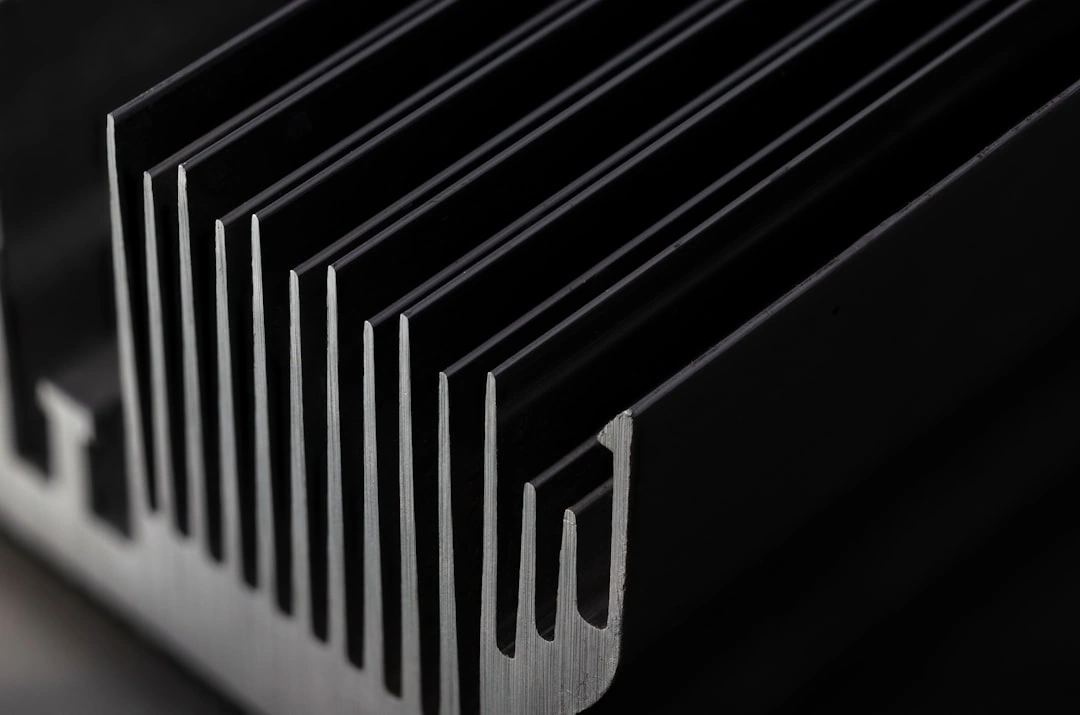
• Aluminum Condenser Fins: These are the incredibly thin, closely spaced metal sheets wrapped around your copper coils. They are highly malleable and easily flattened by even small, pea-sized hail.
• Copper Coils: Protected beneath the aluminum fins, these tubes carry high-pressure refrigerant. Heavy hail can dent or puncture them, leading to slow, hard-to-detect leaks.
• Fan Blades and Motors: Hail falling through the top discharge grille can strike the spinning fan blades, causing them to crack, bend, or chip.
• Cabinet Casing: Large stones can leave deep cabinet dents that push the metal protective housing into internal components, causing physical friction or electrical wiring pinches.
The primary consequence of this physical deformation is severe airflow blockage. A heat pump relies on a massive, steady volume of air passing across its coils to transfer heat. When hail flattens the fins, it essentially seals off the pathways air must travel, forcing the system to work twice as hard to achieve the same temperature goals.
Understanding How Colorado Hail Damages Heat Pump Outdoor Units and What to Check After a Storm on Your Coils
The coil assembly is the literal heart of your heat pump's thermal exchange process. During summer, the outdoor coil releases heat extracted from your indoor air; during our dry, chilly winters, it absorbs ambient heat from the outside air to warm your home. This delicate process relies on maximizing the surface area of the aluminum fins wrapped around the copper tubing.
When hailstones strike these fins, they bend and press together. This creates a physical barrier that restricts airflow across the copper coils. Without sufficient airflow, the heat pump struggles to complete the heat transfer cycle, which drastically reduces your home's HVAC Energy Efficiency.
Even if the copper tubing itself isn't punctured immediately, the flattened fins trap heat and moisture. Over time, this localized stress can lead to:
1. Pinhole leaks in the copper lines due to vibration and friction against the crushed aluminum.
2. Ice buildup on the outdoor unit during winter because the system cannot defrost itself properly without adequate airflow.
3. Elevated pressure levels within the refrigerant lines, putting immense stress on the compressor.
The Impact of Fan Blade and Motor Damage After a Storm
While the coils take the brunt of the impact, the top-facing fan assembly is also highly vulnerable. The fan's job is to pull air through the sides of the unit and exhaust it out the top. If hailstones pass through the protective top grille, they can strike the fan blades.
If a fan blade is chipped, bent, or cracked by hail, the entire assembly becomes unbalanced. This imbalance creates severe vibration stress as the fan spins at high speeds. This vibration quickly travels down the motor shaft, leading to:
• Premature bearing failure inside the fan motor.
• Screeching, rattling, or grinding noises that indicate physical wear.
• Electrical shorts caused by wires rubbing against vibrating metal components or cabinet panels.
• Complete motor failure, which immediately shuts down your entire heating and cooling system.
Your Post-Storm Inspection Checklist: What to Check After a Storm
Once a storm passes and it is completely safe to go outside, you should perform a basic visual inspection of your heat pump. Catching hail damage early is key to preventing minor issues from turning into catastrophic system failures. Consistent Heat Pump Maintenance always starts with post-storm vigilance.
Before you walk outside, remember: safety first. Never approach an outdoor unit during an active storm or if there is standing water around the pad.
Follow these safety and preparation steps before inspecting:
• Shut off the power: Turn off your heat pump at the indoor thermostat, then flip the outdoor disconnect switch (usually located in a small metal box mounted on the wall near the unit).
• Clear loose debris: Remove any fallen tree branches, leaves, or large hailstones piled around the base of the unit. Keep a clear perimeter of at least two feet around the entire system.
Step-by-Step Guide on How Colorado Hail Damages Heat Pump Outdoor Units and What to Check After a Storm
Once the power is safely disconnected, grab a flashlight and follow this step-by-step checklist to evaluate the physical condition of your heat pump:
• Step 1: Inspect the Outer CabinetCheck the metal panels for deep dents, cracked plastic grilles, or misaligned casing sheets. If the cabinet is severely pushed inward, it may be pressing against internal electrical lines or the fan shroud.
• Step 2: Check the Aluminum FinsShine your flashlight through the protective grilles. Look closely at the delicate metal fins. Are there patches where the fins look crushed, flattened, or "brushed" over? If more than 10% of the surface area is flattened, your system's efficiency is already compromised. Refer to our Seasonal HVAC Maintenance Tips Calendar to keep track of these regular seasonal checks.
• Step 3: Look for Refrigerant LeaksInspect the ground pad and the lower copper lines for any signs of oily residue. Refrigerant contains a specialized lubricant; if a coil is punctured or cracked by hail, this oil will leak out, leaving a dark, greasy spot that collects dirt.
• Step 4: Check the Fan AssemblyLook down through the top grille. Inspect the fan blades for physical cracks, chips, or warping. Ensure the fan spins freely and isn't obstructed by twigs or large ice chunks.
• Step 5: Listen Carefully Upon RestartRestore power to the unit and turn it on. Stand nearby and listen closely. Do you hear any new grinding, loud rattling, buzzing, or high-pitched squealing? These are clear indicators of mechanical or electrical strain.
Identifying Hidden Internal Damage and Electrical Risks
Not all hail damage is visible to the naked eye. Intense summer storms in Northern Colorado are often accompanied by severe wind gusts and lightning strikes. These environmental factors can introduce hidden risks to your heat pump:
• Voltage Spikes: Lightning strikes near your home can send electrical surges through your outdoor electrical lines, frying sensitive control boards, capacitors, and sensors inside the heat pump's electrical panel.
• Micro-Leaks: A hailstone might dent a copper line just enough to weaken the metal without causing an immediate blowout. Over the next few weeks, the constant vibration of normal operation can turn that weak spot into a micro-leak, slowly draining your system of refrigerant.
• Compressor Strain: If hidden airflow blockages exist, your compressor will slowly begin to overheat. You might not notice anything wrong for a month or two, but the cumulative wear will eventually lead to a sudden, unexpected breakdown.
Repair vs. Replacement: Navigating the Decision After Hail Damage
When your heat pump sustains documented hail damage, you will face a critical decision: should you opt for a professional repair, or is it time to invest in a complete system replacement? Navigating this choice requires balancing the age of your system, the extent of the physical damage, and long-term operating costs.
Working with a trusted local professional for Heat Pump Repair can often save a damaged unit, but in cases of severe structural failure, a strategic Heat Pump Replacement is the most reliable, energy-efficient path forward.
When Fin Combing is Enough to Restore Airflow
If the hail damage is strictly cosmetic and limited to the aluminum fins, a professional HVAC technician can often perform a process called "fin combing."
A fin comb is a specialized tool with thin, durable teeth designed to match the precise spacing of your unit's aluminum fins. By carefully drawing the comb through the bent sections, a technician can straighten the flattened aluminum, instantly clearing the blocked pathways and restoring healthy airflow.
When fin combing is highly effective:
• The damage is limited to less than 25-30% of the total coil surface area.
• The copper refrigerant tubing underneath is completely intact and leak-free.
• The system is relatively young (under 8 years old) and otherwise in excellent health.
Note: Homeowners should avoid DIY fin combing. The aluminum is incredibly fragile, and one slip of a DIY tool can easily puncture the pressurized copper lines beneath, turning a simple maintenance task into an expensive emergency.
When to Choose Heat Pump Replacement Over Repair
If the damage extends beyond the delicate outer fins, repairing the system may no longer be a wise financial decision.
To help you evaluate your options, consider this comparison table:
• System Age — Lean Toward Repair: Under 8 years old — Lean Toward Replacement: 10 to 12+ years old
• Fin Damage Extent — Lean Toward Repair: Minor flattening (under 25%) — Lean Toward Replacement: Extensive crushing (over 50%)
• Refrigerant Lines — Lean Toward Repair: Completely sealed and intact — Lean Toward Replacement: Multiple punctures or cracked copper lines
• Compressor Status — Lean Toward Repair: Running smoothly and quietly — Lean Toward Replacement: Overheated, damaged, or seized
• Refrigerant Type — Lean Toward Repair: Modern, eco-friendly R-410A / R-454B — Lean Toward Replacement: Older, phased-out R-22 refrigerant
• Overall Condition — Lean Toward Repair: Well-maintained with clean history — Lean Toward Replacement: History of frequent breakdowns and leaks
If you are weighing these options, reading Should Your Home Have a Heat Pump can help you understand the long-term comfort and financial benefits of upgrading to a modern, highly resilient cold-climate heat pump system.
Long-Term Risks of Running a Damaged Heat Pump and How to Protect It
It can be tempting to ignore minor hail damage, especially if your heat pump seems to turn on and blow conditioned air after a storm. However, running a physically compromised system creates a dangerous "ripple effect" of mechanical strain that will cost you more in the long run.
Taking proactive steps and understanding how to Reduce Repair Costs with Consistent Furnace Maintenance Tips (which apply equally to the year-round care of heat pumps) will protect both your home comfort and your wallet.
The Ripple Effect of Restricted Airflow on System Lifespan
When hail flattens your heat pump's fins, the immediate consequence is restricted airflow. This restriction forces your system into a state of perpetual strain:
1. Elevated Operating Temperatures: The outdoor unit cannot shed or absorb heat efficiently, causing internal temperatures to skyrocket.
2. Compressor Stress: The compressor—the most expensive component in your heat pump—must work much harder to pump refrigerant through the restricted system. This constant overwork leads to premature motor burnout.
3. Spiking Energy Bills: Because the heat exchange process is impaired, the system must run for much longer cycles to meet your thermostat's settings, causing your monthly utility bills to climb.
4. Defrost Failures: During winter, restricted airflow prevents the outdoor unit from shedding frost. This can cause the unit to freeze solid, completely blocking heat production and potentially causing physical damage to the fan and coils.
Protective Measures and Insurance Claims for Colorado Homeowners
Fortunately, you don't have to leave your heat pump completely at the mercy of Colorado's unpredictable weather. You can take several practical steps to safeguard your investment:
• Install a Hail Guard: Heavy-duty, manufacturer-approved metal hail screens can be mounted over your unit's intake sides. These screens feature a durable mesh pattern that deflects high-velocity hailstones while allowing unrestricted airflow.
• Mind Your Placement: When installing a new heat pump, avoid placing it directly under roof valleys or gutters where heavy ice, snow drifts, or concentrated water runoff can cascade down onto the cabinet.
• Document Everything After a Storm: If you suspect hail damage, take clear, high-resolution photographs of the outdoor unit, the surrounding ground covered in hail, and any dented panels.
• Leverage Homeowners Insurance: Sudden and accidental storm damage, including hail impacts to outdoor HVAC equipment, is typically covered under standard Colorado homeowners insurance policies. Obtain a detailed, written inspection report from a licensed HVAC professional to submit alongside your insurance claim to ensure a smooth, successful process.
Frequently Asked Questions About Heat Pump Hail Damage
Does homeowners insurance typically cover hail damage to heat pumps in Colorado?
Yes, in most cases, standard homeowners insurance policies in Colorado cover sudden and accidental wind and hail damage to outdoor heating and cooling equipment. The outdoor heat pump unit is considered an essential part of your home's physical infrastructure. When filing a claim, you will typically be responsible for paying your policy's deductible. It is highly recommended to have a professional HVAC technician perform a comprehensive inspection and write a detailed damage report before the insurance adjuster arrives, as this ensures all functional and internal damage is fully documented.
Can minor hail damage of under 10% really affect my heat pump's efficiency?
Yes. While 10% damage might look like a minor cosmetic blemish, it acts as a permanent physical bottleneck for airflow. Even a small reduction in airflow forces your heat pump to run longer cycles and consume more electricity to keep your home comfortable. Over months and years, this minor efficiency loss accumulates into higher utility bills and accelerated wear and tear on your compressor, shortening the overall lifespan of your system.
Why should I avoid using DIY tools to straighten bent heat pump fins?
Straightening bent aluminum fins requires extreme precision. The copper refrigerant lines running directly beneath the fins are pressurized and fragile. Using improper DIY tools like screwdrivers, butter knives, or cheap, uncalibrated fin combs can easily slice or puncture these lines. A refrigerant leak is hazardous to the environment, dangerous to handle, and highly expensive to repair. Professional technicians use specialized, non-abrasive tools and possess the training required to restore airflow without risking system integrity.
Conclusion
Living in Northern Colorado means accepting that wild weather is simply part of life. From sudden mountain winds to heavy summer hailstorms, our outdoor comfort systems take a beating. Understanding how Colorado hail damages heat pump outdoor units and what to check after a storm is your best defense against unexpected breakdowns and high utility bills.
At Compass Heating & Cooling, we are proud to serve homeowners across Northern Colorado, including Fort Collins, Loveland, Windsor, Wellington, Severance, Timnath, Johnstown, Greeley, Berthoud, and Evans. We specialize in identifying hidden storm damage, performing precision fin combing, and helping you navigate the insurance claim process with ease.
If your system is beyond repair, we can help you take advantage of incredible utility rebate programs offering up to $8,000+ in savings on high-efficiency, hail-resistant upgrades. Plus, our comprehensive Maintenance Plan provides priority service, exclusive discounts, and regular seasonal tune-ups to keep your system protected year-round.
Don't wait for a minor dent to turn into a major system failure. Contact us today to schedule your professional Heat Pump Service and ensure your home stays comfortable through every season!
hear what our satisfied clients have to say
Our clients consistently praise our exceptional service and attention to detail. They appreciate the personalized approach we take to meet their unique needs, ensuring satisfaction every step of the way.
.png)