Heat Pump Tune-Up in Wellington, CO
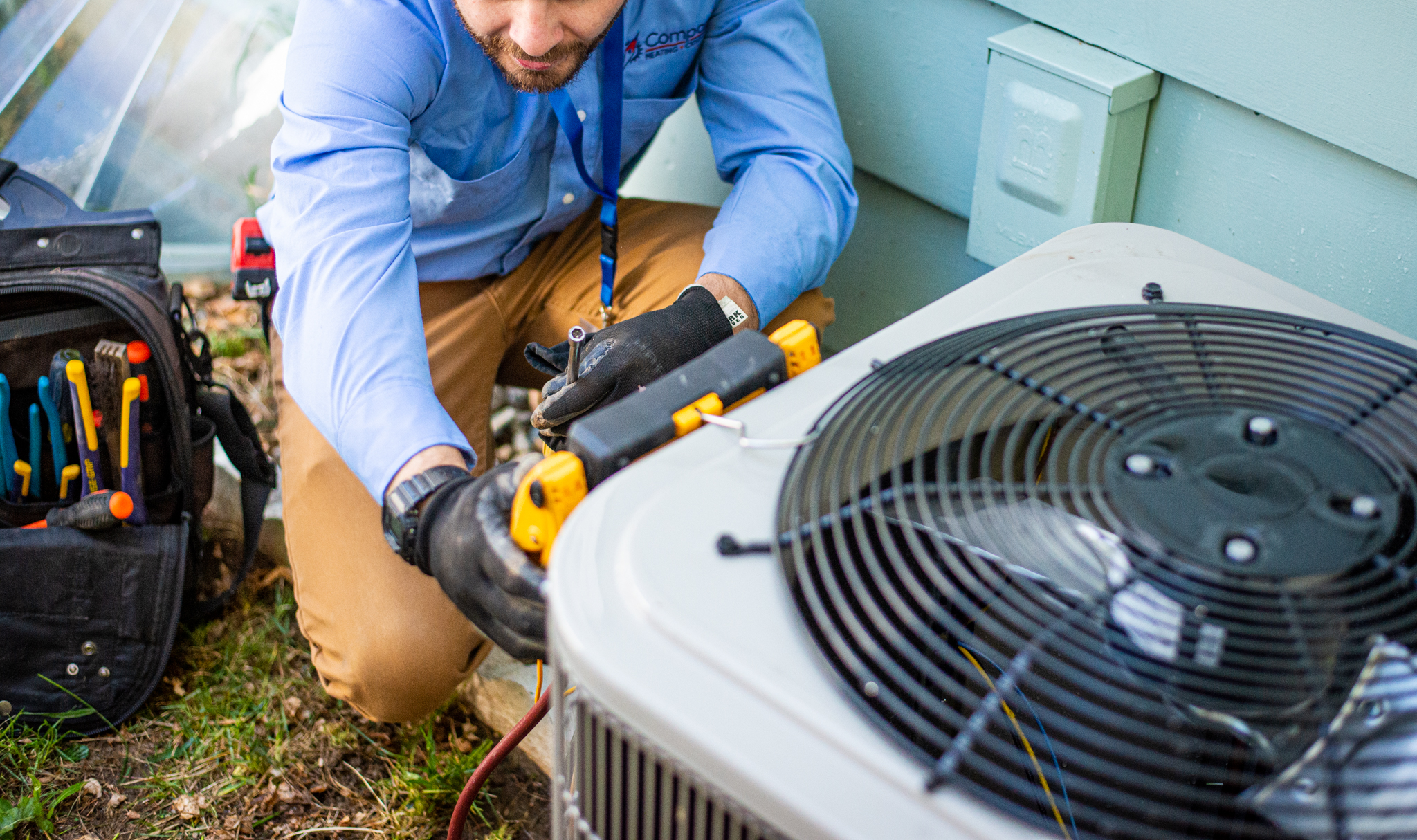
Keeping your heat pump running reliably through Wellington winters and warm Colorado summers starts with a focused, professional tune-up. At Compass Heating and Cooling, our Heat Pump Tune UP in Wellington, CO, is designed specifically for the region’s climate and common system stressors. Our service goes beyond a quick inspection: it includes cleaning coils, checking and replacing filters, lubricating moving parts, calibrating thermostats, verifying refrigerant levels and system pressures, testing electrical components, and delivering a clear system health report with recommended service intervals or membership options. The result is improved comfort, lower energy use, and fewer unexpected breakdowns in your home.

Heat Pump Tune UP in Wellington, CO
Keeping your heat pump running reliably through Wellington winters and warm Colorado summers starts with a focused, professional tune up. At Compass Heating and Cooling, our Heat Pump Tune UP in Wellington, CO is designed specifically for the region’s climate and common system stressors. This service goes beyond a quick inspection: it includes cleaning coils, checking and replacing filters, lubricating moving parts, calibrating thermostats, verifying refrigerant levels and system pressures, testing electrical components, and delivering a clear system health report with recommended service intervals or membership options. The result is improved comfort, lower energy use, and fewer unexpected breakdowns in your home.
Why a dedicated heat pump tune up matters in Wellington, COWellington sits on the high plains north of Fort Collins, where homes experience wide temperature swings, strong seasonal winds, and frequent dust. These local conditions put unique demands on heat pumps. Dust and pollen can coat coils and clog filters, reducing efficiency. Cold snaps increase run times and can expose issues with defrost cycles or low refrigerant. Wind-driven debris and snow can affect outdoor units. A targeted tune up addresses these local vulnerabilities so your system performs reliably year round.
Common heat pump problems in Wellington homes
- Dirty or clogged coils and filters that reduce airflow and capacity.
- Low refrigerant or small leaks that lead to poor heating performance and possible compressor damage.
- Frozen outdoor coils during cold weather due to airflow or refrigerant issues.
- Short cycling or frequent on/off operation from thermostat or control problems.
- Worn bearings and motors in fans and compressors that increase noise and lower efficiency.
- Electrical issues such as loose connections, failing capacitors, and tripped contactors.
- Improper defrost cycle operation resulting in excessive icing or energy waste.
- Duct leaks and airflow restrictions exacerbated by shifting temperatures and windy conditions.
Types of heat pump tune up services commonly performed
- Basic seasonal tune up: Core checks and cleaning to ensure the system is ready for the upcoming season.
- Comprehensive heat pump inspection: Full diagnostic of refrigerant, pressures, electrical, controls, and airflow.
- Mini-split and ductless tune up: Specialized checks for line sets, indoor air handlers, and refrigerant balancing.
- Pre-winter heating tune up and pre-summer cooling tune up: Seasonal calibrations to spot issues before peak demand.
- Emergency evaluation: Fast diagnostics when performance drops or the system stops operating.
What a Compass Heating and Cooling Heat Pump Tune UP includesEvery tune up performed by Compass Heating and Cooling follows a methodical checklist that covers the components and systems most likely to affect performance and longevity. The goal is to restore efficiency, prevent failure, and document system condition.
- Initial system inspection and homeowner interview
We begin with a short interview to understand symptoms you have noticed, unusual noises, comfort problems, or recent service history. Then we inspect the indoor and outdoor units for visible issues damage, debris, rodent nesting, loose panels, or evidence of oil that can indicate leaks. - Air filter assessment and replacement
We inspect the filter type and condition. Clean or clogged filters are one of the most common causes of poor heat pump performance in Wellington because of windblown dust. If filters are dirty, we replace or recommend the correct filter type and MERV rating for your home to balance air quality and airflow. - Coil cleaning and airflow optimization
Both indoor evaporator coils and outdoor condenser coils are cleaned as needed. Coils coated with dirt lose heat transfer capability, forcing the compressor to run longer. Cleaning restores efficiency and helps prevent icing in cold weather. We also check and clean drain pans and condensate lines to avoid backups. - Refrigerant level verification and system pressure check
Using industry-standard gauges and diagnostics, technicians verify refrigerant charge and operating pressures. Low refrigerant often indicates a leak. We detect abnormal pressures and note any need for leak detection or repair. For safety and compliance, refrigerant recovery and recharge follow EPA-required practices. - Electrical system testing
Technicians inspect wiring, terminal connections, capacitors, contactors, and relays. We test voltages and amperages to ensure motors and compressors are operating within manufacturer specifications. Loose connections and failing electrical parts are a frequent cause of premature component failure and safety hazards. - Motor, fan, and moving part lubrication
We inspect and, where appropriate, lubricate fan motors, bearings, and blower assemblies. Lubrication reduces friction, lowers energy use, and prolongs component life. - Thermostat calibration and controls verification
Proper control settings are essential for comfort and efficiency. We calibrate thermostats, verify correct wiring, and confirm the system enters proper modes (heating, cooling, defrost). Smart thermostats are checked for accurate communication with the heat pump. - Defrost cycle evaluation and reversing valve check
In heating mode, outdoor coils periodically enter defrost cycles. We test that defrost operation is active and controlled properly. Problems here lead to excessive icing or unnecessary energy use. - Safety controls and limit switch tests
Safety devices such as high-pressure cutouts and limit switches are tested to ensure they will shut down the system if unsafe conditions occur. - Performance testing and airflow measurement
We measure supply and return temperatures, static pressures, and airflow where applicable. These readings help quantify system performance and identify ductwork or blower issues. - On-site reporting and recommendations
After the tune up, Compass Heating and Cooling provides a clear, written system health report. The report lists findings, any repairs performed, components that should be monitored or replaced soon, and recommended service intervals. Recommendations are explained plainly so you understand the benefits of each item, such as energy savings, improved comfort, or avoided failures.
Diagnostics and tests explained in plain language
- Refrigerant and pressure tests: These confirm the correct amount of refrigerant is in the system and it is circulating properly. Incorrect refrigerant levels reduce heating capacity and can damage the compressor.
- Electrical load and current testing: We measure how much power motors and compressors draw. High current can mean a motor is under stress; low current can indicate a failing motor. Both conditions reduce efficiency and reliability.
- Airflow checks: Measuring temperature splits and airflow tells us whether the system is moving enough air through your home. Poor airflow often shows up as cold or hot rooms and can damage the heat pump over time.
- Coil condition checks: Dirty coils decrease heat transfer. Cleaning restores efficiency and helps the defrost cycle work correctly in cold weather.
Repair and solution explanations When tune up findings reveal problems, Compass Heating and Cooling recommends targeted solutions that prioritize safety, efficiency, and long-term value.
- Refrigerant leaks: Small leaks require tracing and repair before recharge. Adding refrigerant without fixing leaks only treats symptoms and risks further damage.
- Electrical part replacement: Worn capacitors, contactors, or damaged wiring are replaced to eliminate intermittent failures and reduce fire risk.
- Fan and blower repairs: Replacing worn belts, bearings, or motors restores proper airflow and reduces noise.
- Coil repair or replacement: Severely damaged coils may need repair or replacement; cleaning is the first step for performance recovery.
- Thermostat upgrades or recalibration: Fixing control communication can eliminate short cycling and improve comfort.
Safety and code considerations All work follows manufacturer guidelines and local code requirements. Technicians only handle refrigerant and perform repairs within EPA and industry standards. Safety checks are integral to the tune up to protect your home and the system.
Suggested service intervals for Wellington homes Heat pumps benefit from regular professional maintenance. In Wellington, where systems face both dusty conditions and cold winters, regular attention is even more important.
- Primary recommendation: Twice-yearly service, once before the heating season and once before the cooling season. This ensures the system is ready for the periods it will work hardest.
- Minimum recommendation: Annual comprehensive tune up if twice yearly is not possible. An annual visit still delivers significant benefits in efficiency and reliability.
- Filter checks: Homeowners should visually check filters monthly during high-use seasons and replace them as necessary. Filters in Wellington often require more frequent changes due to dust.
- Compass Club Service Plan: Compass Heating and Cooling offers a membership plan that includes scheduled tune ups, priority scheduling, and additional benefits. Membership options are tailored to homeowners who want predictable maintenance and enhanced protection.
Benefits of timely heat pump maintenance in Wellington
- Improved efficiency and lower energy use: Clean coils, correct refrigerant charge, and properly lubricated motors reduce run times and utility costs.
- Extended equipment life: Regular maintenance reduces wear on the compressor and moving parts, delaying costly replacements.
- Improved comfort and consistent temperatures: Proper airflow and correct controls prevent hot or cold spots and ensure dependable heating during cold snaps.
- Fewer emergency repairs: Identifying and fixing small problems early prevents sudden breakdowns, especially during extreme weather.
- Better indoor air quality: Clean filters and coils reduce dust and allergens circulating through your home.
- Documented system health: A clear report gives homeowners confidence and useful information for resale or warranty compliance.
Seasonal tips for Wellington homeowners between tune ups
- Protect the outdoor unit: Keep the area around the outdoor unit clear of windborne debris, snow drifts, and landscaping. Elevated bases can reduce snow and ice contact.
- Monitor filters: Inspect filters monthly and replace when dirty. Homes in Wellington often need filter changes more often than in low dust environments.
- Watch for performance changes: If the system struggles during cold snaps, shows reduced heating capacity, or produces unusual noises, schedule a professional evaluation.
- Maintain proper thermostat settings: Avoid rapid setpoint changes and use schedules to reduce strain on the system. For heat pump heat, modest setbacks can improve efficiency without causing long recovery cycles.
- Keep vents and returns clear: Furnishings and carpeting should not block supply registers or returns; proper airflow is essential for efficient operation.
Why professional tune ups matter over DIY Basic homeowner maintenance like changing filters is important, but a full tune up requires specialized tools and training. Accurate refrigerant diagnoses, safe electrical testing, and coil cleaning to manufacturer standards are tasks best left to licensed technicians. Compass Heating and Cooling technicians bring experience with heat pumps commonly installed in Northern Colorado and follow checklists that catch hidden problems before they escalate.
How Compass Heating and Cooling approaches heat pump tune ups in Wellington Compass Heating and Cooling combines regional knowledge with methodical service processes. Technicians understand how cold snaps, wind, and dust impact heat pump performance in Wellington and tailor inspections accordingly. Each tune up includes a clear system health report so homeowners know what was checked, what was found, and what to expect moving forward. Membership options like the Compass Club Service Plan provide scheduled maintenance and additional benefits for homeowners seeking ongoing protection.
Transparent reporting and prioritization After every tune up Compass Heating and Cooling provides an itemized summary. Findings are categorized into immediate safety issues, recommended repairs to restore efficiency, and optional upgrades for long-term savings. This transparent approach allows homeowners to make informed decisions based on the likely impact to comfort, energy use, and equipment life.
Signs your heat pump needs a professional tune up now
- Noticeable drop in heating capacity during cold weather.
- Increased energy bills without a corresponding change in use.
- Frequent short cycling or rapid on/off operation.
- Unusual noises such as screeches, grinding, or loud rattles.
- Outdoor unit coated in ice or frost that does not clear during defrost cycles.
- Unpleasant odors from air handler or ductwork.
- Uneven heating and persistent hot or cold spots in the home.
Long-term savings and environmental benefits Maintaining correct refrigerant charge and efficient operation reduces energy consumption, which not only lowers utility bills but also decreases your home’s carbon footprint. Efficient systems require less frequent replacement. For homeowners evaluating electrification or heat pump upgrades, accurate performance records from routine tune ups provide valuable data to guide future decisions.
Frequently asked questions (FAQ)
Q: How often should I schedule a heat pump tune up in Wellington, CO?
A: For Wellington homes we recommend a comprehensive tune up twice per year, once before heating season and once before cooling season. At minimum, an annual tune up is better than none. Local dust and seasonal extremes make twice-yearly service the best value for reliability and efficiency.
Q: Will a tune up fix a refrigerant leak?
A: A tune up will identify low refrigerant and signs of leaks. Repairing the leak is a separate service that technicians will recommend. Simply adding refrigerant without repairing leaks is not a lasting solution and can cause further damage.
Q: Can I perform any of the tune up tasks myself?
A: Homeowners can and should change filters regularly and keep the outdoor unit clear of debris. However, coil cleaning, refrigerant testing, and electrical diagnostics require trained technicians with specialized tools and certifications.
Q: How long does a full heat pump tune up take?
A: A comprehensive tune up typically takes 60 to 120 minutes depending on system complexity, accessibility, and whether additional issues are found that require attention.
Q: Does Compass Heating and Cooling offer maintenance plans for regular tune ups?
A: Yes. Compass Heating and Cooling offers membership options such as the Compass Club Service Plan that include scheduled maintenance visits, priority service benefits, and additional perks designed to keep your system running efficiently.
Q: Will a tune up improve my indoor air quality?
A: Yes. Replacing or cleaning filters, cleaning coils, and ensuring proper airflow reduce dust, pollen, and contaminants in the HVAC system, which helps improve indoor air quality.
Q: What should I do if my heat pump freezes during a cold snap?
A: If outdoor coils ice over repeatedly, it indicates underlying issues such as low refrigerant, poor airflow, or defrost control problems. A professional diagnosis is required to identify and safely correct the cause.
Q: Are refrigerant adjustments safe for older systems?
A: Technicians evaluate system condition and follow safe, manufacturer-recommended practices. On older systems, refrigerant adjustments may be only a temporary fix if other components are failing. A full evaluation helps determine the most cost-effective course of action.
hear what our satisfied clients have to say
Our clients consistently praise our exceptional service and attention to detail. They appreciate the personalized approach we take to meet their unique needs, ensuring satisfaction every step of the way.


.png)