



Heat Pump Installation in Wellington, CO
When it comes to upgrading your home’s heating and cooling system, heat pump installation in Wellington, CO offers an energy-efficient, versatile, and environmentally friendly solution tailored to the unique climate and lifestyle of this Northern Colorado community. At Compass Heating and Cooling, we specialize in guiding homeowners through every step of the heat pump installation process—from initial consultation to final commissioning—ensuring optimal comfort, cost savings, and long-term performance in your Wellington home.
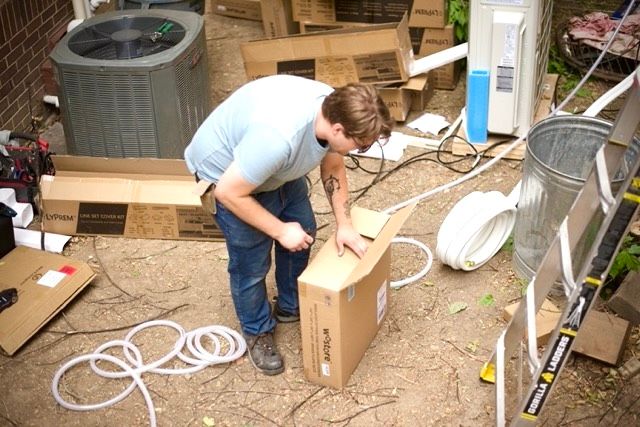
Heat Pump Installation in Wellington, CO
When it comes to upgrading your home’s heating and cooling system, heat pump installation in Wellington, CO offers an energy-efficient, versatile, and environmentally friendly solution tailored to the unique climate and lifestyle of this Northern Colorado community. At Compass Heating and Cooling, we specialize in guiding homeowners through every step of the heat pump installation process—from initial consultation to final commissioning—ensuring optimal comfort, cost savings, and long-term performance in your Wellington home.
Why Choose Heat Pump Installation for Wellington Homes?
Wellington’s climate features cold winters and warm summers, making a dual-purpose system that provides both heating and cooling an ideal investment. Heat pumps stand out because they move heat rather than generate it, using electricity efficiently to maintain your indoor comfort year-round.
Key advantages of heat pumps in Wellington include:
- Energy efficiency that lowers utility bills compared to traditional electric or gas heating.
- Effective heating performance even in cold temperatures common to Northern Colorado winters.
- Cooling capabilities for hot summer months without needing separate air conditioning units.
- Eligibility for local and federal rebates, incentives, and payment options to offset installation costs.
- Environmentally friendly operation with reduced carbon footprint compared to fossil fuel systems.
Our Comprehensive Heat Pump Installation Process in Wellington
Compass Heating and Cooling backs every heat pump installation with a detailed, transparent, and customer-focused procedure to ensure the new system fits your home perfectly and performs reliably for years.
1. Free Onsite Consultation and Load Calculation
The foundation of a successful heat pump installation begins with a professional assessment at your Wellington residence. Our certified technicians perform a detailed evaluation of your home’s size, insulation, window efficiency, and existing ductwork. This allows us to calculate the heating and cooling load accurately—not guessing the size but rather determining the precise capacity your new heat pump needs.
This step prevents under- or over-sizing, which can cause inefficient operation, increased wear, or insufficient comfort, especially in Wellington’s variable climate.
2. Choosing the Right Heat Pump Model: Ductless Mini-Split vs. Ducted Systems
Wellington homes come in all sizes and designs, and the heating and cooling needs vary accordingly. We help you choose between two popular system types:
- Ducted Heat Pump Systems: Best suited for homes with existing ductwork or new construction. These systems distribute conditioned air evenly through ducts to all rooms.
- Ductless Mini-Split Systems: Ideal for homes lacking ductwork or needing zone-specific temperature control. They involve installing one or more indoor air handlers connected to an outdoor compressor, allowing independent temperature settings in various spaces.
Our team will recommend energy-efficient models with high SEER (Seasonal Energy Efficiency Ratio) and HSPF (Heating Seasonal Performance Factor) ratings to minimize your ongoing energy expenses and capitalize on available rebates and incentives available in Wellington and Colorado at large.
3. Professional Heat Pump Installation
Once you select your system, we schedule installation at your convenience with minimal disruption to your daily routine. Our licensed technicians follow a meticulous process:
- Site preparation and placement of the outdoor unit to optimize airflow and noise reduction.
- Installing indoor air handlers or connecting to ductwork as appropriate.
- Refrigerant line installation, electrical wiring, and thermostat setup.
- System sealing and insulation to prevent energy loss.
- Compliance with permitting requirements from Wellington municipal authorities.
All installations meet local code standards and industry best practices, ensuring safety and optimal performance.
4. Permit Acquisition and Guidance on Rebates & Payment options
Navigating local permits and available rebates or incentives can be daunting. Compass Heating and Cooling streamlines the process for you by handling:
- Securing any necessary permits for the heat pump installation in Wellington.
- Connecting you with current local, state, and federal rebates, such as energy efficiency credits and utility company incentives.
- Explaining payment options that reduce upfront costs and provide budget-friendly payment plans tailored to your situation.
5. Warranty Coverage and Post-Installation Testing
To guarantee peace of mind, all heat pump installations by Compass come with manufacturer-backed warranties covering parts and labor. After installation, we conduct thorough testing to verify system functionality:
- Running the heat pump through heating and cooling cycles.
- Checking refrigerant levels and pressures.
- Monitoring electrical connections for safety.
- Verifying thermostat calibration and airflow distribution.
Our technicians walk you through system operation, maintenance tips, and who to call for future support.
Common Heat Pump Issues and How Proper Installation Prevents Them
Many heat pump problems can be traced back to improper sizing, poor installation, or inadequate maintenance. In Wellington, common issues we help homeowners avoid include:
- Insufficient heating in extreme cold: Proper load calculation and model selection prevent this.
- Uneven temperatures across rooms: Ductless mini-splits offer customizable zones to resolve this.
- High energy bills: Energy-efficient units installed with correct airflow and insulation help.
- Frequent system cycling or noise: Correct installation practices and quality products eliminate these annoyances.
By partnering with Compass Heating and Cooling, you receive expert guidance that reduces the risk of these problems from day one.
Enhancing Your Wellington Home’s HVAC Efficiency with a New Heat Pump
Investing in a heat pump installation doesn’t only improve year-round comfort—it also increases your home’s value, reduces carbon emissions, and enhances energy resilience amid fluctuating weather patterns in Northern Colorado.
Additional benefits include:
- Lower maintenance frequency compared to furnaces or separate air conditioners.
- Eligibility for joining maintenance plans like the Compass Club Service Plan for ongoing system care.
- Compatibility with smart thermostats for programmable savings.
- Quiet operation that keeps your home peaceful.
What to Expect from Your Heat Pump Installation Estimate to Final Commissioning
When you work with Compass Heating and Cooling on your heat pump installation in Wellington, here is the process you can expect:
- Initial contact and scheduling of your free onsite consultation.
- Load calculation and detailed system recommendation with transparent pricing.
- Discussion about payment options and rebate options that apply to your project.
- Scheduling professional installation at a convenient time.
- Comprehensive installation by licensed technicians with strict adherence to standards.
- Thorough post-install testing and system briefing.
- Documentation of warranties, permits, and rebate applications submitted on your behalf.
- Follow-up support and options for routine maintenance through the Compass Club.
At Compass Heating and Cooling, our priority is ensuring Wellington residents enjoy year-round comfort with efficient heat pump systems designed for local climate demands. With over 15 years of HVAC expertise in Northern Colorado, we combine industry-leading knowledge, customer-focused service, and skilled workmanship to make your heat pump installation seamless and rewarding.
Choosing Compass for your heat pump installation means selecting a trusted partner committed to integrity, balance, and clear guidance—helping your home maintain the perfect temperature throughout Colorado’s changing seasons.
Related Home Comfort Services
If your system is beyond repair, you may want to consider Heat Pump Maintenance in Wellington; CO. We also offer Heat Pump Repair in Wellington; CO. For homes that need additional attention, check out our AC Installation in Wellington; CO options. Learn more about our full heat pump installation services, or view all heat pump options. See all the services in wellington; co we provide.
hear what our satisfied clients have to say
Our clients consistently praise our exceptional service and attention to detail. They appreciate the personalized approach we take to meet their unique needs, ensuring satisfaction every step of the way.
.png)