



AC Installation in Wellington, CO
Installing a new AC system is a big decision for Wellington, CO homeowners, and Compass Heating and Cooling is here to help! With our hot summers, afternoon storms, and temperature swings, choosing the right system and getting it installed correctly is key for comfort, energy efficiency, and reliability. We offer a thorough and professional AC installation process tailored to Wellington homes, from calculating the right size to final testing, code compliance, and warranty information. We'll explain what to expect, how we evaluate your home, and why a careful installation is so important for performance and value.
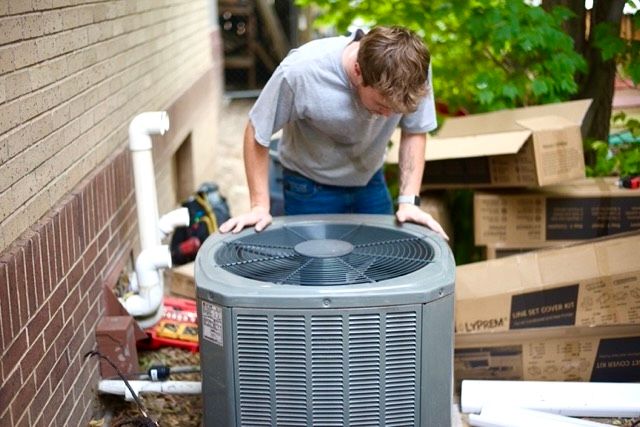
Why a professional installation matters in Wellington homes
Wellington’s semi arid climate and northern Colorado elevation influence how air conditioners perform. Systems that are oversized or undersized, improperly charged, or connected to leaky or poorly sized ductwork will struggle to keep indoor temperatures stable through hot afternoons and cool evenings. Common local factors include:
- High temperature swings: Systems must control humidity while cycling to adapt to cool nights and hot afternoons.
- Dust, pollen, and agricultural particulates: Outdoor units and filters need correct sizing and airflow to avoid rapid buildup that reduces efficiency.
- Older homes with limited attic insulation or undersized ducts: These make accurate load calculations and duct assessments critical.
- Elevation effects on cooling capacity and refrigerant behavior: Proper refrigerant charge and airflow tuning are especially important at higher altitude.
A precise installation reduces energy bills, extends equipment life, and keeps your home comfortable year round. Compass Heating and Cooling follows industry best practices and local building codes to ensure systems operate as intended.
Common reasons Wellington homeowners schedule a new A/C installation
- Existing system is more than 12 to 15 years old and losing efficiency.
- Frequent breakdowns and rising repair costs.
- Uneven cooling, hot rooms, or persistent humidity issues.
- Home renovations or additions that change cooling load.
- Desire to upgrade to higher efficiency units (SEER-rated or heat pump systems) for lower operating costs.
- R22 refrigerant systems that are costly to service due to phased-out production.
Understanding the cause of discomfort helps prioritize the right solution: repair, retrofit, or full replacement.
Types of systems we install
Compass Heating and Cooling installs a range of residential cooling systems suited to Wellington homes and Northern Colorado weather patterns:
- Central split-system air conditioners: Traditional, efficient option for homes with ducted systems.
- High-efficiency heat pump systems: Provide heating and cooling with excellent year-round efficiency, a good fit for homeowners considering all-electric solutions.
- Ductless mini-split systems: Ideal for room additions, garages, or homes without existing ductwork.
- Packaged systems: Used where space constraints make split systems impractical.
Selecting the right platform depends on home layout, existing ductwork, efficiency goals, and budget. Choosing the correct indoor coil and matching the outdoor condensing unit is part of the sizing and model selection process.
Step 1 — Home load calculation: do not guess the tonnage
Accurate sizing begins with a detailed load calculation, commonly called a Manual J. This step assesses how much cooling your home actually needs by accounting for:
- Square footage, ceiling heights, insulation levels, window types and orientation.
- Number of occupants, internal heat gains from appliances and lighting.
- Air leakage and infiltration patterns.
- Local climate data for Wellington, including solar gains and typical high temperatures.
Avoiding oversizing is critical. An oversized system cycles on and off frequently (short cycling), which reduces dehumidification, increases wear, and raises energy bills. Undersized systems run constantly and may never reach set temperatures. Compass Heating and Cooling uses industry-standard software and on-site measurements to determine the correct capacity in tons and BTU requirements for your specific home.
Step 2 — System sizing and model selection
After completing the load calculation (Manual J) we move to equipment selection (Manual S). This step matches system capacity to performance goals:
- Choose appropriate tonnage and SEER rating that balance upfront cost and long-term energy savings.
- Evaluate variable-speed or multi-stage compressors vs single-stage units for better humidity control and consistent comfort.
- Consider matched system components (furnace or air handler coil and condensing unit) to optimize manufacturer warranties and efficiency.
- Account for local elevation and refrigerant types so performance expectations align with real-world output.
We explain trade-offs such as higher SEER for seasonal savings, variable-speed compressors for quiet, consistent comfort, and heat pump benefits for milder heating seasons.
Step 3 — Ductwork assessment and improvements
Ductwork determines how effectively cooled air reaches living spaces. A thorough duct inspection includes:
- Visual inspection of accessible supply and return runs.
- Measurement of static pressure and airflow at the register level.
- Duct leakage testing and recommendations for sealing and insulation.
- Assessment of duct sizing for balanced airflow; replacing or upsizing ducts when necessary.
- Evaluating return air paths and adding returns if rooms are short on ventilation.
Upgrading or repairing ductwork during an A/C installation often pays off quickly by improving system efficiency, reducing hot spots, and minimizing noise. For homes without ducts, ductless systems or properly designed packaged units may be recommended.
Step 4 — Permits, codes, and compliance in Wellington
Proper permitting and code compliance protect your investment and ensure safety. Typical steps include:
- Securing required mechanical permits from local building authorities and ensuring the installation meets applicable codes.
- Following refrigerant handling regulations, including EPA 608 certification requirements for technicians and proper refrigerant disposal.
- Installing equipment per manufacturer instructions and local code: clearances, pad placement, electrical disconnects, condensate management, and combustion air pathways for integrated systems.
- Notifying inspectors and passing required inspections for structural, electrical, and mechanical elements when applicable.
Local code requirements and permit processes can vary; a professional installation accounts for these steps so you avoid costly rework or fines.
Step 5 — Professional installation steps (what happens on install day)
A standard installation sequence performed with quality and care includes:
- Pre-installation site preparation: protect floors, furniture, and landscaping; verify electrical panel capacity and dedicated circuit routing.
- Removal and responsible disposal of old equipment, following refrigerant recovery and recycling protocols.
- Installation of the outdoor condensing unit on a level pad with proper clearances and vibration isolation.
- Mounting and installing indoor coil or air handler, connecting refrigerant lines, and ensuring insulation and sealing.
- Electrical and control wiring, including thermostat wiring and compatibility checks.
- Duct transitions, grills, and return modifications as required by the new system design.
- Drainage and condensate management checks, including secondary safety devices where needed.
- System evacuation and dehydration to remove moisture and noncondensables from the refrigerant lines.
Each step is documented and inspected to make sure the installation meets performance and safety standards.
Step 6 — Refrigerant charge, airflow tuning, and commissioning
Proper commissioning separates a good installation from a great one. Post-install testing typically includes:
- Measuring airflow (CFM) at registers and verifying against design specifications.
- Confirming system static pressure, adjusting blower speed if required.
- Checking refrigerant charge using superheat and subcooling measurements to ensure optimal refrigerant performance at Wellington elevation and temperature conditions.
- Verifying thermostat calibration, set points, and zoning controls if installed.
- Inspecting electrical connections, start/stop operation, and safety controls.
- Testing condensate drain flow and alarm devices to prevent moisture damage.
- Recording system operational data and leaving an installation report for the homeowner.
This step ensures the system operates at rated efficiency and provides reliable comfort.
Warranties and registration
New equipment typically includes a manufacturer limited warranty for parts and, in many cases, a conditional compressor warranty or extended coverage when installed and registered properly. Important warranty considerations:
- Manufacturer parts warranty length and what is covered.
- Labor warranty and duration for the installation work performed by Compass Heating and Cooling.
- Requirements for system registration with the manufacturer to activate extended warranty benefits.
- Records of maintenance required to keep warranties valid, such as annual tuneups.
Compass Heating and Cooling documents all warranty information and provides guidance on registration and maintenance obligations so homeowners understand coverage.
Payment options and rebate guidance for Wellington homeowners
Replacing an old system can be more affordable with the right payment options and incentive strategy. While specific programs change over time, homeowners should consider:
- Local utility rebate programs and manufacturer rebates for high-efficiency systems or heat pumps.
- Federal tax credits and state-level incentives that occasionally apply to ENERGY STAR equipment and electrification upgrades.
- Energy efficiency benefits: lower monthly bills, potential increased home value, and improved comfort that offset initial investment.
Compass Heating and Cooling can provide current information about typical payment options and available rebate types so homeowners make informed decisions aligned with local programs and federal incentives.
What to expect after installation: testing and follow up
A responsible installation does not end when the crew leaves. Post-install follow up is important:
- A final walkthrough with documentation of system settings and warranty details.
- Recommendations for first-season checkups to monitor system performance under peak loads.
- Advice on thermostat programming and filter selection for best efficiency and longevity.
- Scheduled maintenance options to preserve efficiency and warranty conditions.
Proper seasonal maintenance preserves efficiency, prevents costly failures, and keeps indoor comfort consistent across Wellington’s variable climate.
Common installation challenges and how we address them
Older homes and local conditions can present challenges during installation. Compass Heating and Cooling anticipates and addresses common issues:
- Limited attic access or cramped mechanical closets: We plan logistics and use compact components when needed.
- Undersized electrical panels: We verify service capacity and recommend upgrades when required by code.
- Poor ductwork or imbalance: We recommend and perform targeted duct repairs, sealing, or redesign to match the new system.
- R22 refrigerant systems: For older equipment that uses R22, replacement may be the most cost-effective path given refrigerant scarcity and price volatility.
Transparent documentation of options ensures homeowners can weigh repair versus replacement with clear cost and performance expectations.
Energy performance expectations and operating tips for Wellington homes
A properly installed modern system will deliver measurable benefits:
- Improved comfort with consistent temperatures and better humidity control during warm Colorado summers.
- Lower energy use thanks to correctly sized equipment and matched components.
- Quieter operation, especially when choosing variable-speed or multi-stage compressors.
- Longer equipment life with reduced cycling and balanced airflow.
Practical homeowner tips to maintain performance:
- Replace or clean HVAC filters every 1 to 3 months during heavy use.
- Keep outdoor condenser units clear of debris, weeds, and overhanging vegetation.
- Program thermostats to reduce unnecessary runtime when the home is unoccupied.
- Schedule annual maintenance to verify refrigerant charge, airflow, and electrical connections.
Small habits extend equipment life and preserve efficiency earned by a quality installation.
How Compass Heating and Cooling approaches quality and accountability
Compass Heating and Cooling brings local experience and an emphasis on professional standards to every install in Wellington, CO:
- Use of industry-standard load and equipment selection methods to match equipment to real home needs.
- Licensed, certified technicians who follow EPA refrigerant handling rules and local building code requirements.
- Documentation of work, warranties, and operational settings so homeowners keep thorough records.
- Post-installation commissioning and testing to ensure the system achieves rated performance at Wellington elevation and climate conditions.
This approach reduces surprises and helps ensure reliable performance through hot spells and changing seasons.
Q: How long does a typical air conditioning installation take?
A: Installation timelines vary with job complexity; a straightforward replacement for a matched split system in a home with existing compatible ductwork often takes one to two days. Jobs requiring duct replacement, electrical upgrades, or structural adjustments can extend the schedule. A detailed on-site evaluation provides a realistic timeline.
Q: Will a new air conditioner lower my energy bills?
A: Yes, when properly sized and installed, a high-efficiency system will typically reduce energy consumption compared with an older, worn unit. Savings depend on current system efficiency, local energy costs, thermostat settings, and maintenance. Improving duct sealing and insulation often magnifies savings.
Q: Do I need a permit and inspection for a new A/C in Wellington?
A: Most installations require mechanical permits and must meet local building and electrical codes. Permits ensure safety and compliance and typically involve inspections. Professional installers coordinate permit submittal and inspection scheduling as part of a full installation.
Q: What is the difference between SEER ratings and efficiency benefits?
A: SEER (Seasonal Energy Efficiency Ratio) measures cooling output over a season divided by energy consumed. Higher SEER units are more efficient and cost less to operate over time, but they typically have a higher initial cost. Efficient equipment delivers better comfort and lower operating costs, especially when matched to proper installation and ductwork.
Q: How long do modern central air conditioners last?
A: With proper maintenance and correct installation, central air conditioners typically last 12 to 20 years. Regular tuneups, filter changes, and addressing minor issues early extend service life. Poorly installed or mismatched systems often fail earlier due to excessive cycling or component stress.
Q: What should I do before installation day?
A: Clear access around the indoor unit and outdoor pad, remove obstructions near the chosen condensing unit location, and identify any pets or areas where technicians should take extra care. Your installer will provide a pre-install checklist based on the specifics of your project during the estimate phase.
Q: Are there special considerations for refrigerant at higher elevation like Wellington?
A: Elevation can affect refrigerant pressure and heat transfer properties. Proper evacuation, charge verification using superheat and subcooling, and airflow tuning are critical to maintaining rated performance at elevation. Skilled technicians adjust procedures to account for local conditions.
Q: What warranties are typically included with new systems?
A: New equipment generally comes with manufacturer parts warranties and possible compressor warranties. Labor warranties on installation may be provided by the installer. Registration and adherence to maintenance schedules often influence the length and validity of extended warranties.
Q: Can I upgrade just the outdoor unit and reuse my existing indoor coil?
A: In some cases a condenser-only swap is feasible if the indoor coil, air handler, and refrigerant compatibility are matched. However, mismatched components can reduce efficiency and void warranties. A full system match ensures optimal performance and warranty protection.
Q: How do rebates and incentives affect the cost?
A: Local utility rebate programs, manufacturer incentives, and occasional federal tax credits can reduce the net cost of upgrading to high-efficiency equipment. Availability and eligibility vary by program and change over time, so reviewing current programs is important when evaluating total project cost and payback.
Installing a properly sized, high-quality air conditioning system is an investment in comfort, efficiency, and home value for Wellington, CO homeowners. Compass Heating and Cooling applies proven engineering practices, local knowledge of Northern Colorado climate impacts, and professional workmanship to ensure your new system performs as promised. From Manual J load calculations to final commissioning, every step is designed to deliver reliable cooling, lower operating costs, and peace of mind backed by documented warranties and compliance with local codes.
Related Home Comfort Services
If your system is beyond repair, you may want to consider AC Maintenance in Wellington; CO. We also offer AC Repair in Wellington; CO. For homes that need additional attention, check out our Furnace Installation in Wellington; CO options. Learn more about our full ac installation services, or view all air conditioning options. See all the services in wellington; co we provide.
hear what our satisfied clients have to say
Our clients consistently praise our exceptional service and attention to detail. They appreciate the personalized approach we take to meet their unique needs, ensuring satisfaction every step of the way.
.png)