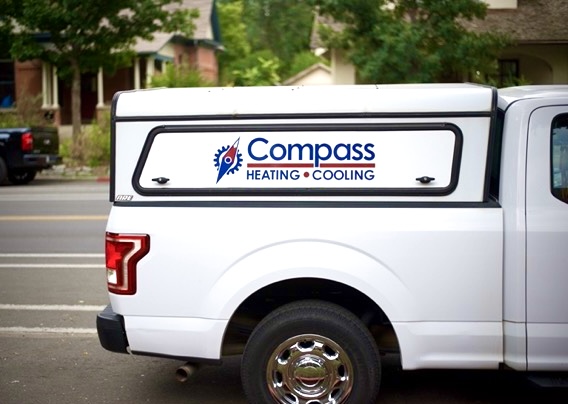

Heating Installation in Severance, CO

Ensure your home stays warm with professional heating installation in Severance, CO. Maximize comfort, efficiency, and safety with Compass Heating and Cooling.

Maintaining a warm and dependable home throughout Severance winters requires more than just replacing an old furnace. Proper heating installation begins with a precise assessment of your home, a system tailored to your specific needs, and professional workmanship that prioritizes safety, efficiency, and long-term performance. Compass Heating and Cooling provides local expertise to Severance, CO homeowners, guiding you from the initial on-site consultation and unit selection to professional installation, warranty support, and post-installation testing, ensuring your system performs reliably when temperatures drop.

Heating Installation in Severance, CO

Heating Installation in Severance, CO

Keeping your home warm and reliable through Severance winters requires more than swapping an old furnace for a new box. Proper heating installation begins with an accurate assessment of your home, a matched system sized for your unique needs, and professional workmanship that protects safety, efficiency, and long-term performance. Compass Heating and Cooling brings local expertise to Severance, CO homeowners, guiding the process from on-site consultation and unit selection through professional installation, warranty handling, and post-installation testing to ensure your system performs dependably when temperatures fall.

Why a professional heating installation matters in Severance, CO

Severance experiences cold winter nights, wide outdoor temperature swings, and the effects of higher elevation on equipment performance. That means:

  • Undersized systems struggle to maintain comfort during cold snaps.
  • Oversized systems short-cycle, causing uneven heat and increased wear.
  • Ductwork and building envelope issues common in older Northern Colorado homes can negate the benefits of a new high-efficiency unit.
  • Modern cold-climate heat pumps and high-efficiency furnaces require correct installation and commissioning to reach rated performance.

A properly designed and installed heating system maximizes comfort, reduces energy use, improves indoor air quality, and extends equipment life. Compass Heating and Cooling emphasizes accurate sizing, attention to local conditions, and code-compliant installation to deliver reliable winter performance in Severance homes.

Common reasons Severance homeowners choose a replacement or upgrade

  • Age and reliability - Furnaces older than 15-20 years or heat pumps beyond 10-15 years are more prone to breakdowns and lower efficiency.
  • Rising repair costs - Frequent service calls indicate diminishing returns; replacement can be more economical over time.
  • Energy efficiency goals - Upgrading to high-efficiency furnaces or cold-climate heat pumps reduces monthly bills and carbon footprint.
  • Home renovations or additions - Increased square footage often requires a re-evaluation of system capacity and ductwork.
  • Safety concerns - Cracked heat exchangers, repeated pilot issues, or unsafe venting call for replacement.
  • Comfort problems - Uneven heating, lingering cold spots, or noisy operation point to sizing or distribution issues best solved by replacement or a different system type.

Which system is right for Severance homes: furnace, heat pump, or hybrid?

Choosing between a gas furnace, an electric heat pump, or a hybrid system depends on home layout, fuel availability, efficiency priorities, and budget. Compass Heating and Cooling helps homeowners compare options in plain language.

  • High-efficiency gas furnace
  • Pros: Reliable heat at very low outdoor temperatures, proven technology, rapid response to thermostat calls.
  • Cons: Requires natural gas supply or propane, combustion safety and venting requirements, less attractive for electrification goals.
  • Best for: Homes with existing gas lines and older ducted systems that need dependable winter heat.
  • Cold-climate air-source heat pump
  • Pros: Excellent year-round heating and cooling, high efficiency even in cold temperatures with modern equipment, lower operating costs when electricity prices are favorable.
  • Cons: Performance decreases at extreme cold without proper sizing or backup heat; requires correct refrigerant charge and controls.
  • Best for: Severance homeowners aiming for all-electric solutions, higher efficiency, and integrated cooling.
  • Ductless mini-split heat pump
  • Pros: Zoned comfort, minimal ductwork, high efficiency, good for additions and poorly ducted spaces.
  • Cons: Multiple indoor units can be more visible; best suited for targeted heating rather than whole-house replacement unless multiple heads are installed.
  • Best for: Additions, garages converted to living space, or homes without existing ductwork.
  • Hybrid systems (dual fuel)
  • Pros: Combine a heat pump with a gas furnace to optimize efficiency and performance; the heat pump handles mild conditions and the furnace runs during extreme cold.
  • Cons: Higher initial complexity and installation precision required.
  • Best for: Severance homes seeking optimal efficiency without sacrificing winter reliability.

On-site consultation and accurate system sizing (why Manual J matters)

A reputable installation starts with an on-site consultation and an accurate heating load calculation, typically following Manual J methodology. During the visit Compass Heating and Cooling technicians will:

  • Inspect the home layout, insulation levels, window types, and orientation.
  • Evaluate existing ductwork, registers, and attic or basement access.
  • Identify air leaks, insulation gaps, and ventilation needs that affect load.
  • Discuss comfort priorities and budgetary constraints.
  • Perform a heating load calculation to determine required heating capacity in BTU/hour.
  • If ducts are present, perform Manual D duct design or check to ensure proper airflow and register sizing.

Why this matters: improperly sized equipment leads to short cycling, cold spots, wasted energy, and reduced component life. Manual J ensures the selected furnace or heat pump meets your real-world needs in Severance conditions.

Ductwork, airflow, and distribution: often the hidden factor

A new high-efficiency unit can only deliver comfort if the distribution system is sound. Compass Heating and Cooling evaluates and addresses:

  • Duct leakage and sealing - Leaky ducts can waste 20-40 percent of system output.
  • Duct sizing and balancing - Ensuring adequate airflow to each room for even temperatures.
  • Return air capacity - Sufficient return paths prevent pressure imbalances and help system longevity.
  • Insulation around ducts - Especially important in unconditioned attics or crawlspaces in Severance winters.
  • Zoning considerations - Multiple thermostats and zone dampers can reduce energy use and improve comfort in larger or multi-level homes.

When duct repairs or replacements are necessary, technicians prioritize airtight installation and correct static pressure to protect blower motors and ensure efficiency.

Professional installation steps: what to expect and why each step matters

A professional install follows a sequence designed to protect safety, efficiency, and manufacturer warranties. Typical stages include:

  • Pre-install preparation
  • Confirm load calculations and unit selection.
  • Verify clearances, ventilation, and condensate routing.
  • Order any required ancillary equipment (thermostat, humidifier, vents).
  • Old equipment removal and site prep
  • Safely disconnect fuel, electrical, and refrigerant lines (where applicable).
  • Remove old furnace or heat pump components with care for recycling or disposal.
  • Inspect old duct connections, venting, and combustion air paths.
  • Mechanical installation
  • Place and secure new furnace or outdoor heat pump unit according to manufacturer specifications.
  • Complete duct connections, install transition pieces, and seal joints.
  • Run refrigerant lines, electrical conduit, and condensate drains for heat pumps.
  • Install or upgrade venting and combustion air system for gas furnaces.
  • Controls and safety wiring
  • Install new thermostat and verify control wiring.
  • Wire safety devices, such as high-limit switches, rollouts, and pressure switches.
  • System setup and charging
  • For heat pumps, evacuate and charge refrigerant, then set correct superheat and subcooling according to manufacturer specs.
  • For furnaces, set gas pressure and perform combustion adjustments if required.
  • Commissioning and testing
  • Test airflow, temperature rise across the furnace, and verify heating capacity.
  • Check electrical connections, startup sequences, and safety shutdowns.
  • Confirm proper flue drafting and test for carbon monoxide where combustion is present.
  • Cleanup and documentation
  • Remove debris and packaging, leave installation paperwork and manuals.
  • Explain system operation, filter type, and recommended maintenance schedule.

A methodical process protects warranties and ensures the system reaches rated efficiency in Severance climates.

Energy efficiency, metrics, and real-life savings

Understanding efficiency ratings helps make an informed decision:

  • AFUE (Annual Fuel Utilization Efficiency) - Used for furnaces. Represents the percent of fuel converted to heat. A 95% AFUE furnace converts 95 percent of fuel to heat, losing 5 percent to exhaust.
  • HSPF (Heating Seasonal Performance Factor) - Used for heat pumps to measure seasonal heating efficiency. Higher HSPF numbers indicate better efficiency.
  • SEER (Seasonal Energy Efficiency Ratio) - Used for cooling performance on heat pumps and air conditioners; relevant if you choose a heat pump for year-round comfort.
  • COP (Coefficient of Performance) - Instantaneous efficiency measure for heat pumps. A COP greater than 1 means the system delivers more heating energy than electrical energy consumed.

In Severance, where heating dominates for much of the year, a higher AFUE or HSPF can translate directly into lower utility bills. Compass Heating and Cooling interprets these numbers based on local energy prices, typical operating hours, and expected seasonal temperatures to show realistic performance comparisons.

Financing and estimate options that fit decision-stage needs

Navigating installation cost and financing is often part of the replacement decision. Compass Heating and Cooling provides clear, no-surprise estimates and explains financing or prequalification options available to homeowners. Estimate documents outline equipment specifications, warranty terms, expected performance, and the scope of work so you can compare models and proposals confidently.

Descriptive estimates typically include:

  • Equipment model and efficiency ratings.
  • Work scope (demolition, ductwork, venting, electrical).
  • Warranty types and lengths (manufacturer and workmanship).
  • Estimated timeline for installation and commissioning.

Providing transparent estimates and financing options helps homeowners in Severance move from consideration to a confident installation decision.

Warranty, registration, and Compass Club maintenance

Understanding what is covered after installation protects your investment.

  • Manufacturer warranty - Covers parts and sometimes labor for a specified period. Registration is often required soon after installation to receive full benefits.
  • Workmanship warranty - Compass Heating and Cooling stands behind installation quality with a workmanship guarantee for a defined period; this covers installation errors and related repairs.
  • Extended warranty options - Many manufacturers offer extended parts and compressor coverage for additional peace of mind.
  • Compass Club maintenance plan - Regular seasonal service can keep systems operating at peak efficiency, often required to preserve warranty validity. Routine maintenance also reduces emergency service calls and extends equipment life.

Documenting warranty registration, keeping service records, and following manufacturer maintenance recommendations are essential steps after installation.

Post-installation testing and what it confirms

Beyond basic startup, thorough testing ensures safety and performance for Severance winters:

  • Combustion analysis for gas furnaces - Confirms efficient and safe combustion, proper gas inlet pressure, and safe flue draft.
  • Carbon monoxide testing - Verifies no CO leaks and safe venting under operation.
  • Refrigerant charge and leak check for heat pumps - Ensures peak heat transfer and system longevity.
  • Airflow and static pressure measurements - Confirms duct system compatibility and blower settings.
  • Thermostat and control validation - Verifies proper staging, setpoints, and zoning functions.
  • Noise and vibration checks - Detects loose panels, duct resonance, and other issues that affect comfort.

These checks confirm the system will perform reliably through Severance cold snaps and provide documentation for warranty and homeowner peace of mind.

Seasonal and local considerations for Severance installations

Severance-specific factors influence system choice and installation technique:

  • Elevation and temperature swings - Modern cold-climate heat pumps are now reliable in Northern Colorado, but correct sizing and backup strategies matter for extreme cold.
  • Dry winter air - Adding whole-home humidification during heating season improves comfort and protects wood floors and furnishings.
  • Snow and exposure - Outdoor unit placement for heat pumps must consider snow drifts, airflow clearance, and sunlight exposure to optimize efficiency.
  • Building envelope - Insulation and air-sealing upgrades reduce system size needs and improve comfort; installers will often recommend attic or wall insulation improvements as part of the consultation.

Accounting for these local conditions ensures you get a system that performs well and lasts.

Long-term benefits of a professionally installed system

Investing in a high-quality installation delivers measurable returns:

  • Improved comfort and even temperatures throughout the home.
  • Lower energy bills from properly matched and commissioned equipment.
  • Fewer emergency repairs and extended equipment life with correct installation and maintenance.
  • Safer operation and reduced risk of combustion-related hazards.
  • Increased home value and greater appeal to buyers who value efficient systems.

Compass Heating and Cooling approaches each Severance installation with long-term reliability and efficiency in mind, helping homeowners make decisions that fit their priorities.

Maintenance and care after installation

Regular maintenance preserves performance and warranty coverage. Recommended tasks include:

  • Annual professional tune-up during the heating season.
  • Regular filter replacement or cleaning per manufacturer guidance.
  • Periodic inspection of vents, flue, and condensate drains.
  • Seasonal checks on outdoor unit clearance and drainage.
  • Monitoring thermostat schedules and settings to ensure efficient operation.

A documented maintenance history simplifies warranty claims and keeps systems operating near their rated efficiency.

Q: How long does a typical heating installation take?

A: Most whole-home furnace or heat pump replacements are completed in one to two days, though timelines vary based on ductwork changes, permitting, or additional modifications required for the best long-term performance.

Q: Will a new high-efficiency furnace reduce my heating bills immediately?

A: A high-efficiency furnace or heat pump sized and installed correctly will usually reduce monthly energy costs. Savings depend on prior system efficiency, local energy prices, and home insulation and air-sealing.

Q: Are cold-climate heat pumps a reliable choice for Severance winters?

A: Yes. Modern cold-climate heat pumps are designed to operate efficiently at lower temperatures than older models. Proper sizing, a correct refrigerant charge, and a well-sealed home are key to reliable performance. Some homeowners opt for hybrid systems for peace of mind during extreme cold.

Q: What warranty coverage should I expect with a new system?

A: Expect a manufacturer parts warranty and a separate workmanship warranty from the installer. Warranty lengths vary by model and manufacturer. Registering equipment and adhering to maintenance schedules is often required to keep warranty coverage valid.

Q: Do I need ductwork replaced when installing a new furnace or heat pump?

A: Not always. Duct replacement is recommended when ducts are excessively leaky, undersized, or damaged. In many cases, sealing and targeted repairs suffice. A professional assessment during the consultation will determine the best approach.

Q: How important is correct sizing of the new heating system?

A: Correct sizing is critical. Undersized equipment cannot maintain comfort in cold weather; oversized units short-cycle, leading to higher wear and poor humidity control. Manual J load calculations are the industry standard for accurate sizing.

Q: What should be included in an installation estimate?

A: A comprehensive estimate lists equipment models and efficiency ratings, scope of work (removal, ductwork, electrical, venting), warranty terms, and timeline. Clear estimates let you compare options with confidence.

Q: How often should I schedule maintenance after installation?

A: Annual professional maintenance is recommended for furnaces and heat pumps, ideally before the peak heating season. Regular checks prolong service life and maintain efficiency.

Q: Is financing available for a new heating system?

A: Financing or prequalified options are often available through homeowner programs. Estimates typically outline available financial options so homeowners can choose what fits their budget.

Q: What role does home insulation play in system selection?

A: Improving insulation and sealing air leaks reduces heating load and can allow for a smaller, less costly system that performs better and uses less energy over time.

Compass Heating and Cooling brings local Northern Colorado experience to every heating installation in Severance, CO. The combination of a careful on-site assessment, correctly sized equipment, attention to ductwork and controls, and thorough commissioning helps ensure dependable winter comfort and long-term savings for your home.

testimonials

hear what our satisfied clients have to say

Our clients consistently praise our exceptional service and attention to detail. They appreciate the personalized approach we take to meet their unique needs, ensuring satisfaction every step of the way.

Mary R.
Regina C.
Michael M.
Bob L.
Shannon S.
Malinda M.
Cynthia H.
Adam N.