



AC Installation in Severance, CO
A properly sized and professionally installed air conditioner from Compass Heating and Cooling does more than just cool your home. In Severance, CO, where summer temperatures can soar, humidity spikes can occur, and wildfire smoke can affect air quality, the right installation ensures consistent comfort, balanced airflow, efficient operation, and long-term reliability. We use our local experience and industry best practices in every installation, guiding you through the selection, preparation, installation, and testing process so your new system performs optimally for years to come.
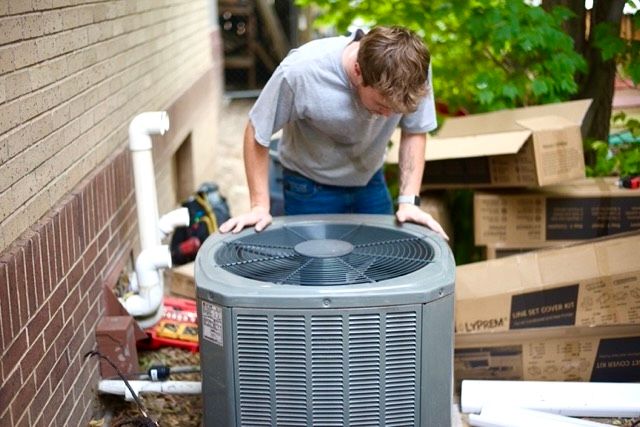
Air Conditioning Installation in Severance, CO
A properly sized, professionally installed air conditioner does more than cool your home. In Severance, CO, where summer daytime temperatures can climb, monsoon-like humidity spikes occur periodically, and wildfire smoke sometimes impacts indoor air quality, the right installation ensures consistent comfort, balanced airflow, efficient operation, and long-term reliability. Compass Heating and Cooling brings local experience and industry best practices to every installation, guiding homeowners through the selection, preparation, installation, and verification process so new systems perform optimally for years to come.
Why a tailored air conditioning installation matters in SeveranceSeverance homes face a unique combination of climate and housing characteristics that influence system performance and longevity:
- Higher elevation and lower air density reduce the heat transfer efficiency of outdoor condensers. Proper load calculations account for elevation so your system is sized correctly.
- Wide daily temperature swings demand systems that can modulate output and humidity control for consistent comfort rather than short cycling.
- Occasional wildfire smoke and regional dust make filtration and duct sealing important for indoor air quality.
- Many Northern Colorado homes have older ductwork or mixed systems (furnace plus new AC or ductless options). Matching an air conditioner to an existing system without a thorough evaluation can reduce efficiency and comfort.
Common reasons Severance homeowners choose a new AC installation
- Existing system is aged, frequently repaired, or inefficient.
- Home expansion, remodeled space, or added insulation changes cooling load.
- Desire for lower monthly energy bills with a high-efficiency system.
- Need for better humidity control, zoning, or improved indoor air quality due to regional smoke events.
- Switching to a heat pump or ductless mini-split for year-round efficiency.
What to expect: on-site assessment and professional load calculationsA reliable installation starts with a thorough on-site assessment and precise load calculations. Compass Heating and Cooling follows industry-standard methods to determine exactly what your home needs.
- Home survey and envelope inspection: We review square footage, ceiling heights, insulation levels, window sizes and orientation, shading, air infiltration, and recent renovations. These factors influence cooling requirements and duct design.
- Manual J load calculation: This is a room-by-room calculation that estimates the cooling and sensible heat gain for your home. Manual J ensures the system is neither oversized nor undersized.
- Duct analysis and Manual D design: If your home uses ducted cooling, we inspect existing duct routing, insulation, leakage, and airflow capability. Manual D is used when duct design or modifications are required to ensure balanced distribution and proper static pressure.
- Electrical and mechanical evaluation: We verify that your electrical service, disconnects, and panel have capacity for the new equipment and note any necessary electrical upgrades.
- Elevation and climate adjustments: At Severance elevation and local climate must be included in calculations so the selected equipment delivers the rated capacity under local conditions.
Energy-efficient unit selection and matching componentsChoosing the right equipment is as important as the installation itself. A correctly matched system reduces energy use and extends equipment life.
- Central air conditioner vs heat pump: High-efficiency heat pumps provide both cooling and heating and are attractive for homeowners seeking all-electric options. Central air conditioners paired with a high-efficiency furnace remain a common choice in existing forced-air systems.
- SEER and efficiency considerations: Seasonal Energy Efficiency Ratio (SEER) indicates cooling efficiency. Higher SEER ratings typically provide lower operating costs. Compass Heating and Cooling reviews expected seasonal performance given Severance climate patterns, and recommends equipment that balances upfront investment and long-term savings.
- Modulating and variable-speed compressors: Two-stage and variable-speed units maintain comfort more consistently, reduce short cycling, and improve humidity control during Northern Colorado summer nights.
- Matched indoor coil and air handler: Efficiency and reliability depend on pairing the outdoor condensing unit with a properly sized indoor coil or air handler. Unmatched components can reduce efficiency and void manufacturer warranties.
- Refrigerant and environmental considerations: Modern systems use R-410A or newer refrigerants. We discuss long-term environmental and servicing implications for different refrigerants as part of the selection process.
- Noise levels and placement: Outdoor unit location and model choice influence sound at the property line and in backyard living spaces. We consider compressor sound ratings and recommended clearances to minimize disturbances.
Ductwork evaluation, improvements, and ductless optionsA great air conditioner cannot reach its potential through compromised ducts. During the assessment we determine the best delivery method for your home.
- Duct inspection and sealing: Aging or poorly sealed ducts lead to substantial efficiency losses. We locate leaks, seal joints, and recommend insulation where ducts pass through unconditioned spaces.
- Right-sizing and balancing: Dampers, grille placement, and properly sized return paths ensure even cooling and avoid hot or cold spots.
- Duct replacement or modifications: If ducts are undersized, deteriorated, or non-existent in an addition, replacement or redesign may be recommended. We explain tradeoffs so you can choose the most practical solution.
- Ductless mini-split systems: In homes without ducts or in situations where adding ducts is impractical, ductless mini-splits provide zoned comfort with high efficiency and minimal invasive work. They are especially effective for room additions, sunrooms, basements, and detached living spaces.
- Zoning options: For larger or multi-level homes, zoning with dampers or multi-zone mini-splits helps tailor comfort and reduce energy waste in unused areas.
Step-by-step installation timeline and what happens on installation dayInstalling a new air conditioning system is a coordinated project. Typical timelines vary by system type and scope, but a transparent step-by-step overview helps set appropriate expectations.
- Pre-installation preparation: Before installation day, final measurements, equipment ordering, permit review, and scheduling logistics are confirmed. Any required electrical or structural prep is identified.
Day 1: Removal and site prep
- Disconnect and safely remove the existing outdoor condensing unit and indoor components, including proper refrigerant recovery if required.
- Prepare pad or mounting site for the new condenser, ensuring level support and code-compliant clearances.
- Protect floors and living spaces with drop cloths and shoe covers as technicians access attics, basements, or crawlspaces.
Day 2: Mechanical and electrical installation
- Set and connect the outdoor condenser or heat pump, install or replace the indoor coil or air handler, and run refrigerant lines.
- Upgrade or install electrical disconnects, breakers, and fuse protection per local code and manufacturer requirements.
- Install smart or programmable thermostat wiring and configure communication with the new system.
- If installing a mini-split, mount the indoor air handler(s), run refrigerant and condensate lines through minimally invasive penetrations, and install the outdoor unit with appropriate anchoring.
- System evacuation, charging, and commissioning
- Evacuate the refrigerant lines to remove moisture and noncondensable gases, using a vacuum pump and gauges.
- Charge the system precisely according to the manufacturer specifications and adjusted for elevation and line-set length.
- Perform startup procedures and ensure the system operates through all speed stages and modes.
- Final testing and homeowner walkthrough
- Verify airflow, temperature differential, superheat and subcooling, refrigerant charge, static pressure, and thermostat calibration.
- Inspect condensate drains, verify proper condensate removal, and test safeties and shutoffs.
- Demonstrate system operation and controls, explain filter types and recommended maintenance, and provide warranty documentation. Any timeframes for final inspections or code compliance checks are noted.
Post-installation testing and performance verificationA thorough post-installation inspection ensures your new system meets design targets and operates safely and efficiently.
- Airflow and static pressure testing: Proper airflow across the coil is essential for efficiency and humidity control. Measurements ensure the blower matches expected performance.
- Refrigerant verification: Superheat and subcooling measurements confirm the refrigerant charge is correct and the system will perform at expected efficiency.
- Electrical checks: Verify amp draw on compressor and fan motors, confirm proper voltage and tight connections, and ensure correct breaker protection.
- Temperature split and comfort assessment: Measure return and supply temperatures to confirm designed cooling capacity and consistency throughout the home.
- Condensate system test: Ensure no leaks, proper trap and float switch operation, and adequate slope for drainage.
- Indoor air quality and filtration checks: Confirm filter size and placement. Discuss supplemental air cleaner or UV options if wildfire smoke or allergens are a concern in Severance.
- Documentation and warranty activation: Provide documentation of installed components, serial numbers, and manufacturer warranty instructions. Register warranties as required and note labor warranty coverage.
Warranty, payment options, and estimate information explained Understanding warranty terms and payment options helps homeowners make informed decisions without surprises.
- Manufacturer warranties: Most major manufacturers provide limited warranties on compressors, coils, and parts. Duration varies by model and manufacturer. Proper installation and timely registration are often required to keep warranties valid.
- Labor warranty: Compass Heating and Cooling includes a labor warranty that covers workmanship for a specified period. This warranty complements manufacturer coverage by addressing installation-related issues.
- Service agreements and maintenance: Regular maintenance preserves warranty eligibility and improves longevity. Compass Club maintenance programs outlined on company materials provide scheduled tune-ups and priority service benefits that support long-term reliability.
- Transparent, no-surprise estimates: We provide written, itemized estimates that explain equipment choices, scope of work (including ductwork or electrical upgrades if needed), expected timeline, and warranty terms so you have a complete picture before installation.
Practical considerations for Severance homeownersSelecting and installing an air conditioning system in Severance requires attention to local details that affect performance and comfort.
- Elevation adjustments: Technicians will account for elevation when setting refrigerant charge and evaluating compressor performance so your system meets the rated capacity at local altitude.
- Dust, pollen, and wildfire smoke: Consider higher-efficiency filtration, whole-home air cleaners, or MERV-rated filters to protect indoor air quality during smoke events and seasonal pollen.
- Insulation and envelope improvements: Simple upgrades to attic insulation, window coverings, or door seals can reduce cooling loads and improve equipment sizing choices.
- Landscaping and placement: Outdoor condenser placement should avoid direct sunlight and be positioned to allow proper airflow and clearance. Native shrubbery and proper grading can reduce dust and debris accumulation.
- Noise and neighborhood considerations: Model selection and thoughtful placement reduce outside noise. Clearances and sound dampening measures are discussed to maintain neighbor-friendly operation.
Long-term benefits of a proper installationA professional installation delivers measurable value over time:
- Better comfort and humidity control through precise sizing and variable-speed equipment.
- Lower energy bills when high-efficiency, correctly charged equipment is paired with duct sealing and proper controls.
- Reduced repair frequency and longer equipment life because systems operate within design parameters.
- Improved indoor air quality through proper sealing, filtration, and optional whole-home air treatment.
- Increased resale value thanks to modern, efficient HVAC equipment and documented service.
Maintenance expectations after installationRoutine maintenance preserves performance and manufacturer warranties. Typical recommendations include:
- Replace or clean filters regularly, typically every 1 to 3 months depending on filter type and household conditions.
- Annual tune-up before cooling season: inspect electrical connections, test refrigerant levels, clean condenser coils, lubricate moving parts, and verify thermostatic control functions.
- Monitor condensate drains and traps for clogs, especially after heavy smoke events that can push more particulates into the system.
- Keep outdoor unit clear of debris, snow, and vegetation; maintain a minimum clearance around the unit for airflow.
- For homes with mini-splits, periodic external coil cleaning and internal filter maintenance keeps performance optimal.
Frequently asked questions
Q: How long does a typical air conditioning installation take?
A: Most residential central air installations are completed within one to two days depending on complexity, ductwork modifications, and permit scheduling. Ductless mini-split installations can often be completed in a single day for a single-zone system, while multi-zone installs can take longer.
Q: Will a new air conditioner fit my existing ductwork?
A: That depends on the condition and sizing of your ducts. We inspect ducts as part of the assessment. Minor sealing and balancing may be sufficient, but severely undersized, leaky, or poorly insulated ducts may require repair or replacement to ensure system efficiency.
Q: How do you determine the right size system for my home?
A: We use Manual J load calculations that evaluate each room and the entire home based on square footage, insulation, windows, shading, and occupancy. This method ensures proper sizing rather than relying on rule-of-thumb estimates.
Q: Can I switch to a ductless mini-split instead of central air?
A: Yes. Mini-splits are an excellent choice for homes without ducts, additions, or spaces needing zoned comfort. They are energy-efficient and flexible but require strategic placement of indoor heads for even coverage.
Q: What should I expect for warranties?
A: Systems typically include a manufacturer warranty for parts and components, and a separate labor warranty for installation. Warranty durations vary, and proper equipment registration and routine maintenance are often required to keep warranties valid.
Q: How does elevation affect air conditioner performance in Severance?
A: Higher elevation reduces air density, which can affect heat transfer and airflow. Technicians account for elevation when performing load calculations and during refrigerant charging so the system meets rated capacity under local conditions.
Q: Do you offer flexible payment arrangements for installations?
A: Payment options are commonly available and can be reviewed as part of the estimate process. These options help homeowners invest in higher-efficiency equipment while managing monthly cash flow.
Q: What post-installation testing do you perform?
A: Post-installation testing includes airflow and static pressure checks, refrigerant superheat and subcooling verification, electrical load testing, temperature split measurement, condensate drain inspection, and thermostat calibration to ensure safe, efficient operation.
Q: How can I improve indoor air quality with a new AC?
A: Combine a properly sealed and balanced duct system with higher-efficiency filters, whole-home air cleaners, and UV air treatment if needed. These options reduce particulates and biological contaminants that can be more prevalent during wildfire season.
Q: Will a new air conditioner reduce my energy bills?
A: A properly sized, high-efficiency system installed with sealed and insulated ducts and appropriate controls often yields lower energy bills compared to older, inefficient equipment. Long-term savings depend on system efficiency, usage patterns, and home envelope improvements.
Closing notes on installation readiness. A successful air conditioning installation in Severance, CO begins with detailed evaluation and ends with verified performance. Compass Heating and Cooling applies local knowledge, industry-standard sizing methods, and careful component matching to deliver systems that perform reliably in Northern Colorado conditions. From duct evaluations to mini-split solutions, equipment selection to warranty clarity, each step is designed to maximize comfort, efficiency, and long-term value for your home.
Related Home Comfort Services
If your system is beyond repair, you may want to consider AC Maintenance in Severance; CO. We also offer AC Repair in Severance; CO. For homes that need additional attention, check out our Furnace Installation in Severance; CO options. Learn more about our full ac installation services, or view all air conditioning options. See all the services in severance; co we provide.
hear what our satisfied clients have to say
Our clients consistently praise our exceptional service and attention to detail. They appreciate the personalized approach we take to meet their unique needs, ensuring satisfaction every step of the way.
.png)