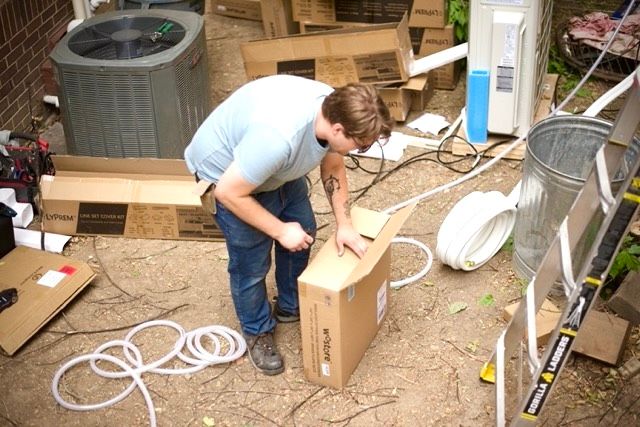

Heat Pump Replacement in Windsor, CO
Upgrading an aging or failing heat pump is one of the most effective ways Windsor homeowners can improve year-round comfort, reduce utility bills, and future-proof their home HVAC system. At Compass Heating and Cooling, we provide a clear, expert-driven heat pump replacement process tailored to Northern Colorado weather and Windsor homes. We'll explain how our technicians determine whether replacement is the right choice, how new system options compare, what happens during removal and disposal, how costs and energy savings are estimated, and how rebates, financing, and warranties fit into the decision. Our goal is to give you the information you need to choose the right replacement with confidence.

Heat Pump Replacement in Windsor, CO
Upgrading an aging or failing heat pump is one of the most effective ways Windsor homeowners can improve year-round comfort, reduce utility bills, and future-proof their home HVAC system. Compass Heating and Cooling provides a clear, expert-driven heat pump replacement process tailored to Northern Colorado weather and Windsor homes. This page explains how technicians determine whether replacement is the right choice, how new system options compare, what happens during removal and disposal, how costs and energy savings are estimated, and how rebates, financing, and warranties fit into the decision. The goal is to give you the information you need to choose the right replacement with confidence.
Why heat pump replacement matters for Windsor homes
Windsor experiences warm, occasionally hot summers and cold, dry winters. That seasonal range puts unique demands on heat pump performance. Older or undersized systems often struggle to deliver efficient heating during cold snaps or effective cooling during heat waves, and leaky ducts or mismatched components further reduce performance. Replacing an inefficient or failing heat pump can:
- Improve year-round comfort with more consistent indoor temperatures.
- Lower electricity use and monthly utility bills by increasing system efficiency.
- Eliminate frequent repair costs and unexpected breakdowns.
- Reduce noise and improve humidity control, especially with variable-speed systems.
- Support an all-electric or hybrid heating strategy that aligns with local clean energy goals.
Compass Heating and Cooling approaches every replacement with Windsor-specific considerations in mind, including seasonal temperature swings, typical home construction in Northern Colorado, and local utility incentives.
How we determine if your heat pump needs replacement
Technicians use a combination of inspection, performance data, and diagnostic testing to determine replacement needs instead of repair. Key indicators include:
- System age: Most heat pumps reliably last 12 to 20 years depending on model and maintenance history. If your system is well into that range and showing other signs of failure, replacement is often the most cost-effective option.
- Repair frequency and cost: A pattern of recurring repairs or a single major failure that approaches the value of a new system suggests replacement.
- Inadequate capacity: If the unit runs constantly but the home still feels cold or hot in parts, the system may be undersized or airflow and duct issues may exist.
- Loss of efficiency: Service diagnostics that show low refrigerant charge, compressor issues, or failing components often mean efficiency is substantially reduced.
- R-22 or obsolete refrigerant: Older units that use phased-out refrigerants can be costly to recharge or repair.
- Comfort and indoor air quality: Newer systems offer better humidity control and more even temperatures throughout the home.
- Noise and vibration: Mechanical wear can make older systems louder and less pleasant to live with.
On-site evaluation includes a full inspection of the outdoor and indoor units, airflow measurements, refrigerant checks, electrical testing, thermostat and control verification, and a review of the home’s ductwork and insulation. Compass Heating and Cooling uses these findings to recommend repair, retrofit, or replacement, and provides a transparent rationale so homeowners understand the basis for the recommendation.
How we size and select the right replacement system
Choosing the right heat pump is more than picking a higher efficiency rating. Proper sizing and matching to your home are critical for comfort and efficiency. Our replacement process includes:
- Manual J load calculation: We perform a heating and cooling load calculation that considers Windsor climate patterns, insulation levels, window orientation, air infiltration, and occupancy. This avoids the common mistake of oversizing, which can increase humidity and reduce efficiency.
- Ductwork evaluation: If ducts are leaky or poorly sized, we document needed repairs or recommend a ductless or multi-zone solution. Properly sealed and insulated ducts are essential for realizing the efficiency gains of a new system.
- System type comparison: We explain the pros and cons of air-source heat pumps, cold-climate heat pumps, ductless mini-splits, and dual-fuel configurations (heat pump paired with a gas furnace). Each option is evaluated for performance in Windsor winters, home layout, and budget.
- Efficiency and features: SEER, HSPF, and newer cold-weather performance ratings are reviewed. We discuss inverter-driven variable-speed compressors, multi-stage operation, variable-speed indoor fans, and integrated controls that improve comfort while lowering operating costs.
- Matched components: We recommend matched or compatible indoor and outdoor components to ensure warranty coverage and peak performance.
The result is a clear recommendation showing both short-term and long-term benefits for the specific Windsor home.
Comparing replacement options for Windsor homeowners
Here are common replacement scenarios and what Windsor homeowners should consider:
- High-efficiency air-source heat pump
- Best for most homes upgrading from older systems.
- Delivers improved efficiency for both heating and cooling.
- Newer models with inverter technology maintain comfort during variable temperatures.
- Cold-climate heat pump
- Designed to maintain higher heating capacity at lower outdoor temperatures.
- Good choice if your home relies entirely on electric heating during Windsor winters.
- Ductless mini-split systems
- Ideal for additions, homes without ducts, or for zoning improvements.
- Offer room-by-room control and lower installation disruption.
- Dual-fuel systems
- Combine a heat pump with a gas furnace for backup heat in extreme cold.
- Useful where homeowners want the efficiency of a heat pump with the reliability of gas during deep freezes.
- Hybrid or electrification upgrade
- Replacing gas-dependent systems with a heat pump can align with long-term efficiency and electrification goals.
- Consider local energy prices and incentives when evaluating total cost of ownership.
Each option is evaluated for upfront investment, expected energy savings in Windsor’s climate, noise levels, space requirements, and integration with existing ductwork.
The replacement process: step-by-step
Compass Heating and Cooling follows a structured process so homeowners know what to expect:
Initial assessment and load calculation
- Onsite inspection, performance testing, duct assessment, and Manual J calculation.
Proposal and options review
- Clear comparisons of recommended systems, estimated energy savings, and a breakdown of what the scope of work includes.
Permits and local code checks
- We identify any required permits and ensure replacement work meets Windsor and Larimer and Weld counties' codes.
Scheduling and preparation
- We coordinate a convenient installation window and outline any preparations needed inside and outside the home.
Old equipment removal and refrigerant recovery
- Technicians recover refrigerant using certified recovery equipment in compliance with EPA rules. Old equipment is disconnected, removed, and prepared for proper disposal or recycling.
Installation of new system
- Proper mounting, refrigerant charging, electrical connections, and thermostat integration. Ductwork repairs or sealing are completed if included in the scope.
System startup and calibration
- Blowers, valves, refrigerant levels, and controls are adjusted. We verify heating and cooling modes for balanced comfort.
Performance testing and homeowner orientation
- We run the system through cycles, show homeowners how to use new controls, and provide an efficiency and maintenance overview.
Paperwork assistance
- Compass provides documentation needed for manufacturer registration, warranty activation, and utility or federal rebate applications.
Follow-up and optional maintenance
- Guidance on routine maintenance and available service plans that keep the new heat pump running efficiently.
Removal and disposal: safe, compliant, and responsible
Replacing a heat pump involves handling refrigerant, metals, and electronic components. Responsible removal includes:
- Professional refrigerant recovery: Technicians use certified recovery equipment to capture refrigerant safely and avoid venting to the atmosphere.
- Recycling and disposal: Copper, steel, and aluminum components are separated and recycled when possible. Circuit boards and other electronic waste are handled per local regulations.
- Documentation: Disposal and recycling actions are documented to support warranty and rebate applications.
- Site cleanup: Work areas are left clean and safe, with hazardous materials removed professionally.
Compass Heating and Cooling follows federal and Colorado regulations for refrigerant handling and disposal, ensuring a compliant and eco-friendly replacement.
Estimating replacement costs and expected energy savings
Replacement costs vary by system type, home size, ductwork condition, and features. While each estimate is customized, homeowners can expect the following factors to influence cost:
- Equipment efficiency and features: Higher SEER and HSPF ratings, inverter technology, and advanced controls increase upfront costs but deliver larger operating savings.
- System capacity and type: Larger homes or multi-zone solutions require bigger or multiple units.
- Ductwork upgrades: Sealing, insulation, and resizing add to the project but improve realized efficiency.
- Electrical upgrades: Older homes may need electrical panel or circuit upgrades to support a modern heat pump.
- Access and installation complexity: Roof mounts, limited outdoors space, or difficult indoor access can increase labor.
Energy savings depend on the baseline system and the replacement option. Typical outcomes include:
- Replacing a 12 to 20 year old heat pump or central AC with a modern high-efficiency unit can reduce cooling and heating electricity use by roughly 20 to 40 percent, depending on usage patterns and duct condition.
- Replacing a gas furnace plus older air conditioner with a modern heat pump can reduce total heating energy consumption if electric rates and equipment efficiencies favor the heat pump, and may reduce carbon footprint substantially.
- Adding duct sealing and proper insulation often multiplies energy savings by reducing distribution losses.
Compass Heating and Cooling provides homeowners with a site-specific estimate that includes projected annual energy savings based on local climate data and typical operating hours in Windsor. Estimates also show simple payback ranges and long-term cost of ownership scenarios to help homeowners compare options logically.
Rebates, tax incentives, and financing options
Upgrading to a high-efficiency heat pump often qualifies homeowners for a range of incentives. Compass Heating and Cooling guides Windsor homeowners through potential opportunities:
- Utility rebates: Local utilities may offer incentives for installing high-efficiency heat pumps or heat pump water heaters. Incentive availability and eligibility vary by program and change over time.
- Manufacturer and dealer promotions: Some manufacturers and dealers offer equipment-specific incentives or seasonal offers.
- Federal tax incentives: Periodically, federal tax credits apply to certain energy-efficient heat pump installations. Eligibility and amounts depend on current legislation and product qualifications.
- Local or state programs: Windsor and Northern Colorado sometimes participate in energy efficiency programs that provide rebates or financing assistance.
- Financing: Compass mentions prequalified financing options on the company home page and can help homeowners explore financing that spreads the cost of replacement over time.
Compass assists with the paperwork and documentation needed to submit rebate and tax credit applications. While incentive levels change, homeowners who factor available rebates and financing into their decision can improve payback and lower out-of-pocket costs.
Warranty coverage and long-term protection
Warranties are a vital part of any replacement decision. Key warranty considerations include:
- Manufacturer warranty: Covers defects in equipment for a specified term, often varying by component (compressor, coil, etc.). Registration may be required to validate full warranty coverage.
- Labor warranty: Compass Heating and Cooling outlines the length of labor coverage provided for installation work and what is included.
- Extended warranties and protection plans: Homeowners can often purchase extended labor or parts coverage for added peace of mind.
- Maintenance requirements: Manufacturer warranties commonly require regular maintenance to remain valid. Compass explains recommended service intervals and how the Compass Club maintenance plan helps meet those requirements.
- Transferability: If you plan to sell your home, some warranties are transferable to the new owner; we explain the process and what documentation is needed.
Compass helps homeowners understand how to register their equipment, what maintenance records are necessary, and how to use warranty coverage if an issue arises.
Comfort, indoor air quality, and additional upgrade opportunities
A heat pump replacement is an opportunity to improve overall home comfort and indoor air quality. Common upgrades and considerations include:
- Thermostat and control upgrades: Smart thermostats and zoning controls improve comfort and can yield additional energy savings.
- Duct sealing and balancing: Fixing duct leaks and balancing airflow ensures even room temperatures and maximizes efficiency.
- Whole-home humidity control: Modern heat pumps paired with dehumidifiers or humidifiers deliver better seasonal humidity balance in Windsor’s dry winter air and occasional humid summer conditions.
- Air filtration and ventilation: Upgrading filters, adding MERV-rated filtration or mechanical ventilation improves indoor air quality.
- Zoned systems: Zoning can reduce energy use by conditioning only occupied areas.
Compass evaluates these opportunities during the inspection and includes recommendations when they will measurably impact comfort and efficiency.
What to expect after replacement
After a new heat pump is installed and commissioned, homeowners should notice:
- More even heating and cooling and improved humidity control.
- Quieter operation, especially with variable-speed compressors.
- Lower monthly energy bills relative to an older, inefficient system.
- Clear documentation for warranties and incentive claims.
- An orientation on system operation and maintenance.
Compass provides maintenance guidance and explains the benefits of scheduled tune-ups to preserve efficiency and warranty compliance.
Common replacement questions answered
Q: How long does a heat pump replacement take?
A: Typical replacements for single system homes take one to two days depending on complexity, ductwork work, and any electrical upgrades.
Q: Will a new heat pump work in Windsor winters?
A: Modern cold-climate heat pumps and appropriately sized air-source heat pumps perform well in Windsor winters. Dual-fuel options offer supplemental heat in extreme cold.
Q: How much can I expect to save on energy bills?
A: Savings vary by the old system, home characteristics, and usage. Many homeowners see 20 to 40 percent lower heating and cooling energy use after upgrading from older equipment, with additional gains if ducts are sealed and insulation improved.
Q: Do I need a permit for replacement in Windsor?
A: Many replacements require permits and inspections to meet local and county codes. Compass identifies permit requirements during the proposal stage and ensures compliance.
Q: What happens to my old unit?
A: Refrigerant is recovered per EPA rules and the equipment is recycled or disposed of responsibly. Metal, copper, and certain components are recycled when possible.
Q: How do I know which system is right for my home?
A: A Manual J load calculation, duct assessment, and an evaluation of your comfort goals determine the best match. Compass presents options with clear pros and cons to help you decide.
Q: Are rebates and tax credits still available?
A: Incentive programs change over time. Compass helps identify likely utility, state, and federal incentives for qualifying systems and supports documentation for claims.
Q: How do warranties work?
A: Manufacturer warranties cover equipment defects, while labor warranties cover installation. Registration and regular maintenance are typically required to maintain warranty coverage.
Q: Can I switch fully to electric with a heat pump?
A: Many Windsor homes can move to an all-electric heat pump setup. Decisions to electrify should consider existing systems, electric rates, and long-term goals. Compass provides cost comparisons and performance expectations.
hear what our satisfied clients have to say
Our clients consistently praise our exceptional service and attention to detail. They appreciate the personalized approach we take to meet their unique needs, ensuring satisfaction every step of the way.


.png)