



Heat Pump Installation in Berthoud, CO
At Compass Heating and Cooling, we believe choosing the right heat pump and ensuring its correct installation is a fantastic way to boost your year-round comfort and cut down on energy bills in Berthoud, CO. Given our cold, dry winters, warm summers, and the significant temperature fluctuations, Berthoud homes need a reliable heating and cooling solution. We offer a transparent, professional heat pump installation process, guiding you from the initial consultation through system selection, site preparation, expert installation, post-installation checks, and warranty registration. We'll walk you through what to expect during a heat pump installation in Berthoud, common options like high-efficiency models and ductless mini-splits, how we size and plan installations, available payment options and rebates, and practical maintenance tips to keep your new system running efficiently for years.
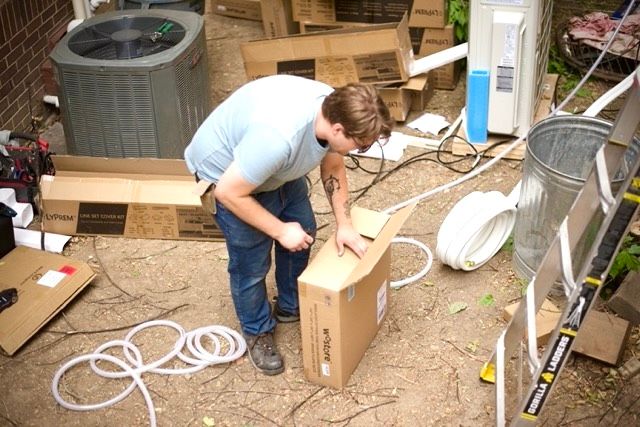
Heat Pump Installation in Berthoud, CO
Choosing the right heat pump and getting it installed correctly is one of the best ways to improve year-round comfort and reduce energy bills in Berthoud, CO. With cold, dry winters, warm summers, and significant temperature swings between day and night, homes in our community need a heating and cooling solution that handles both extremes reliably. Compass Heating and Cooling provides a clear, professional heat pump installation process that guides homeowners from the first consultation through system selection, site preparation, professional installation, post-installation testing, and warranty registration. This page explains what to expect during a heat pump installation in Berthoud, common options like high-efficiency and ductless mini-splits, how installations are sized and planned, available payment options and rebates, and practical maintenance advice so your new system runs efficiently for years.
Why a heat pump makes sense for Berthoud homes
- Year-round efficiency: A heat pump provides both heating and cooling in one system. In Berthoud, where summers can be hot and winters cold, a heat pump can deliver consistent comfort and often lower operating costs than older electric resistance heating or inefficient systems.
- Cold-climate capability: Modern cold-climate heat pumps are engineered to maintain efficient heating performance even as outdoor temperatures drop. These systems are well suited to Northern Colorado winters when properly sized and installed.
- All-electric options: For homeowners aiming to reduce fossil fuel use, heat pumps offer an all-electric path to heating and cooling, which aligns with growing rebates and incentives for electrification in Colorado.
- Flexible installations: Heat pumps come in ducted and ductless designs. Ductless mini-splits are a smart choice for older Berthoud homes without ductwork, additions, or rooms with persistent temperature imbalances.
Common heat pump systems and which fits your home
- High-efficiency, ducted heat pumps: These replace or pair with existing ductwork and provide whole-home heating and cooling. Look for variable-speed inverter compressors and higher HSPF/SEER ratings for best performance.
- Cold-climate heat pumps: Designed to operate efficiently at lower temperatures, these models include advanced compressors and refrigerant cycle control to deliver heat down to single-digit temperatures.
- Ductless mini-split systems: Ideal for homes without ducts, garage conversions, sunrooms, or supplemental heating. Mini-splits allow room-by-room zoning, which can cut energy use by conditioning only occupied spaces.
- Hybrid systems: Where a home has an existing gas furnace, a heat pump can be paired to create a dual-fuel system. The heat pump provides efficient heating in milder conditions, and the furnace serves as backup during extreme cold.
- Multi-zone systems: For more precise comfort control, multi-zone setups let you manage each living area independently with separate indoor units.
Initial consultation and load calculation
- Onsite consultation: A thorough installation starts with an in-home visit. During this appointment, technicians review your current HVAC setup, insulation levels, window types, home orientation, and comfort concerns.
- Manual J load calculation: Proper sizing is critical. We perform a Manual J style heat loss and heat gain calculation to determine the exact heating and cooling demands of your home. Oversized systems cycle too often and underperform in humidity control, while undersized systems struggle on the coldest or hottest days.
- Ductwork inspection: If you have existing ducts, we inspect them for leaks, insulation deficiencies, and balance issues. Poor ductwork can erase the efficiency gains of a new system.
- Electrical and site assessment: We evaluate existing electrical capacity, potential need for a dedicated circuit, and the outdoor unit placement to ensure code compliance and optimal performance.
System selection: balancing efficiency, comfort, and cost
- Efficiency metrics to consider: SEER and EER for cooling, and HSPF for heating. Higher ratings mean better efficiency. For Berthoud’s temperature range, a system with strong cold-climate performance metrics is often a priority.
- Compressor type: Variable-speed inverter compressors provide smoother temperature control, quieter operation, and better part-load efficiency compared to single-stage compressors.
- Size and zoning: The right-sized system based on load calculation is more important than choosing the highest-capacity unit. Zoning or multi-split arrangements can improve comfort in unevenly heated homes.
- Indoor air quality features: Many heat pumps integrate with whole-home ventilation, filtration, or humidification systems — helpful in Berthoud’s dry winter climate to maintain indoor comfort.
- Ductless considerations: Mini-splits require smaller refrigerant lines and indoor wall or ceiling units that blend with decor. They avoid the energy loss associated with ductwork and give precise control in individual rooms.
Site preparation and permit process
- Outdoor unit placement: The outdoor condenser should be sited on a stable, level pad, away from heavy snowdrifts, and with adequate clearance for airflow and future service access. Consideration for prevailing winds and sun exposure improves longevity and performance.
- Indoor unit placement: For ducted systems, the air handler is positioned to balance airflow and minimize noise transmission. For mini-splits, indoor heads are positioned for optimal air distribution and convenience.
- Permitting and code compliance: Installations often require local permits and must meet Colorado electrical and building codes. Compass Heating and Cooling handles permit coordination and ensures installations meet local regulations for Berthoud and Larimer counties.
- Safety and staging: The work area is protected to minimize dust and debris inside your home, and site precautions are taken for children's safety and pets.
Professional installation steps: what happens on install day
- Arrival and preparation: Install crews arrive with tools, equipment, and pre-sized components. They verify the load calculation and final layout before beginning.
- Removal and disposal: If replacing an old system, the crew safely disconnects and removes the existing equipment and handles refrigerant recovery and disposal per EPA regulations.
- Mounting and connections: For ducted systems, the air handler or furnace integration is installed, duct transitions and sealing done, and refrigerant lines and condensate drains connected. For ductless systems, indoor heads are mounted and line sets routed through a discreet hole in the wall or ceiling.
- Electrical hookup: A licensed technician connects the outdoor unit to your home electrical panel with the proper breaker and disconnect. Controls are wired or connected via low-voltage wiring as required.
- Refrigerant charging and leak checks: Precise refrigerant charge is critical for performance. Installers charge to manufacturer specifications and perform leak checks on refrigerant lines and connections.
- System commissioning: The crew runs the system through its operating modes, verifies airflow, checks temperatures, and ensures proper defrost cycles for cold-weather operation.
Post-installation testing and homeowner orientation
- Performance verification: Technicians conduct measured tests to confirm heating and cooling capacities, airflow, static pressures, and electrical draw. These tests confirm the system performs to expected efficiency and comfort levels.
- Controls setup: Thermostat and zoned controls are programmed to match your lifestyle and preferences. Smart thermostat compatibility and app setup may be offered to allow remote monitoring and scheduling.
- Emergency heat and backup explanation: For cold periods, we review how backup heat is configured if your system includes electric strip heat or a gas furnace backup.
- Homeowner walkthrough: Installers explain routine operation, filter replacement, and simple troubleshooting steps homeowners can take. They show how to change modes, set schedules, and read error codes if they appear.
- Warranty and documentation: Manufacturer warranties for compressors and major components are explained, and any labor warranty or workmanship guarantee from Compass Heating and Cooling is documented. Instruction manuals, warranty cards, and maintenance recommendations are left for your records.
Warranty coverage, offers, and rebates
- Manufacturer coverage: Heat pumps typically come with parts and compressor warranties from the manufacturer. Warranty lengths vary by brand and model and may include extended coverage if registered after installation.
- Labor and workmanship: Compass Heating and Cooling provides installation labor coverage and post-installation support. Documentation clarifies what is covered and for how long.
- Payment options: Many homeowners take advantage of payment plans to spread the upfront cost. Compass offers payment options to help make high-efficiency systems more accessible, terms, and eligibility vary.
- Rebates and incentives: State and federal rebates, tax credits, and utility incentives for heat pump installations frequently change. Colorado has programs designed to encourage energy-efficient upgrades and electrification. Homeowners in Berthoud may qualify for local utility rebates or state-level incentives for certain high-efficiency equipment or all-electric conversions. Compass Heating and Cooling helps identify commonly available incentives and the documentation typically needed to apply.
- Energy savings and payback: While exact savings depend on fuel type replaced, insulation, and use patterns, high-efficiency heat pumps often reduce heating and cooling bills year-round. A careful load calculation and efficiency comparison helps estimate payback relative to your existing system.
What homeowners can expect during the project timeline
- Typical schedule: From consultation to completed installation, projects can vary from a few days for simple replacements to a week or more for complex retrofits involving ductwork modifications, electrical upgrades, or multi-zone mini-splits.
- Noise and disruption: Installations are noisy while equipment is moved and mounted, but crews work to limit disruption and clean up daily. Inside areas are protected and dust minimized.
- Inspections and sign-offs: Local inspectors may perform code inspections before final system startup. Final sign-off confirms compliance and allows warranty registrations to be completed.
- Follow-up service: After startup and initial testing, a follow-up visit may be scheduled to verify system performance under real-world conditions, adjust refrigerant levels if needed, and answer homeowner questions.
Troubleshooting common heat pump concerns and solutions
- Short cycling: Often caused by oversized equipment, poor airflow, or thermostat settings. Proper sizing and variable-speed equipment reduce this issue.
- Reduced heating capacity in extreme cold: Cold-climate models, correct sizing, and well-insulated homes mitigate reduced heating at low temperatures. Backup heat configurations provide assurance during rare extreme lows.
- Uneven room temperatures: Zoning, duct balancing, and targeted ductless units address persistent hot or cold spots.
- Higher-than-expected electric use: Proper commissioning, verified refrigerant charge, efficient thermostat programming, and duct sealing typically resolve unexpected energy use.
- Ice buildup on outdoor unit: Normal during low temperatures, but persistent heavy icing indicates airflow or defrost cycle issues that technicians diagnose and correct.
Maintenance that protects performance and warranty
- Annual tune-ups: For long-term efficiency and warranty compliance, annual preventive maintenance checks are recommended. These include coil cleaning, refrigerant verification, filter checks, airflow measurements, and control checks.
- Filter care: Regular filter changes maintain airflow and indoor air quality. Homes in Berthoud with dry, dusty conditions may need more frequent filter changes.
- Outdoor unit care: Keep the outdoor unit clear of debris, vegetation, and heavy snow buildup. A small shelter or strategic placement helps prevent drifting snow from obstructing airflow.
- Compass Club Maintenance plan: Ongoing maintenance plans, such as the Compass Club, provide scheduled service, performance checks, and potential benefits for parts and labor coverage. Regular service helps detect small issues before they become major repairs.
Energy and comfort benefits for Northern Colorado homeowners
- Lower operational costs: Heat pumps are among the most efficient electric heating and cooling options, often reducing total energy use compared with older systems.
- Year-round comfort: Providing both heating and cooling in one system simplifies equipment and maintenance.
- Environmental advantages: All-electric heat pump systems reduce carbon emissions when paired with cleaner electrical grids, an increasingly attractive option for environmentally conscious homeowners.
- Increased home value: High-efficiency HVAC upgrades are recognized by buyers and appraisers and can increase the market appeal of your Berthoud home.
Why professional installation matters
- Proper sizing and commissioning: A correctly sized and commissioned heat pump performs better, lasts longer, and maintains warranty coverage.
- Code and safety compliance: Professional installers ensure the system meets local codes and EPA refrigerant handling requirements.
- Long-term support: A trusted installer provides documentation, routine maintenance, and troubleshooting support during the life of the system.
- Local knowledge: Installers familiar with Berthoud and the Northern Colorado climate understand local building practices, typical insulation levels, and common comfort issues—resulting in solutions tailored to region-specific needs.
Related Home Comfort Services
If your system is beyond repair, you may want to consider Heat Pump Maintenance in Berthoud; CO. We also offer Heat Pump Repair in Berthoud; CO. For homes that need additional attention, check out our AC Installation in Berthoud; CO options. Learn more about our full heat pump installation services, or view all heat pump options. See all the services in berthoud; co we provide.
hear what our satisfied clients have to say
Our clients consistently praise our exceptional service and attention to detail. They appreciate the personalized approach we take to meet their unique needs, ensuring satisfaction every step of the way.
.png)