


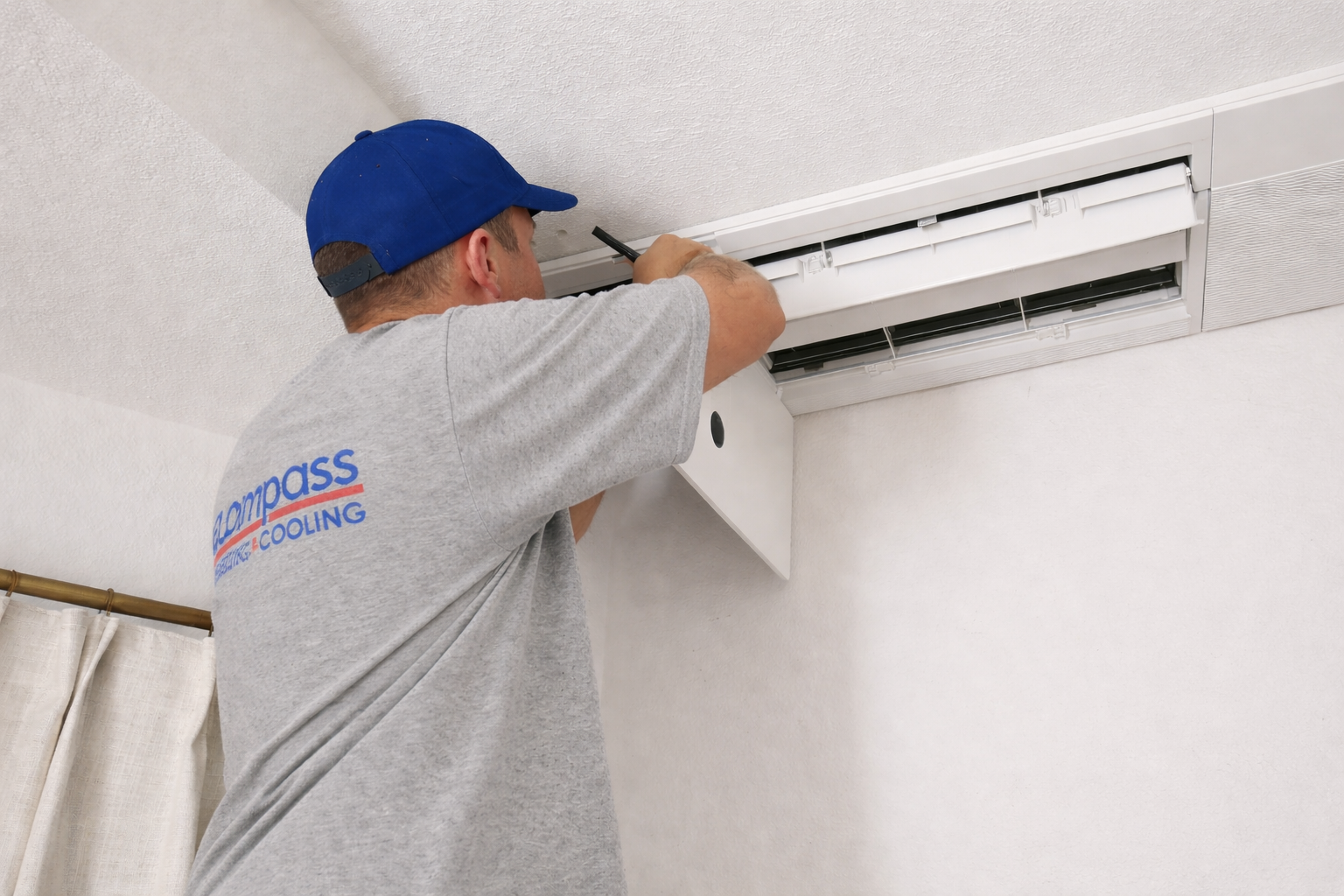
AC Maintenance in Loveland, CO
To keep your air conditioner running reliably through Colorado summers, consistent, professional maintenance is key. At Compass Heating and Cooling, we provide comprehensive air conditioning maintenance in Loveland, CO, going beyond a quick filter swap. Our routine tune-ups, system inspections, and preventive care keep your home comfortable on hot days, reduce energy use, and extend the life of your equipment. Let us explain what a complete maintenance program covers, why it matters in Loveland, what our technicians check and test, and how our membership plans help you stay on a regular schedule.
Why regular AC maintenance matters in Loveland, CO
Loveland experiences hot, sunny summers with wide temperature swings between day and night, relatively low humidity for much of the season, and seasonal dust and spring pollen. Those local factors create specific stresses on air conditioning systems:
- High daytime cooling loads force compressors and fans to run longer and harder, increasing wear.
- Low humidity and dust can cause faster accumulation of dirt on coils and in ductwork, restricting airflow and reducing heat transfer.
- Pollen and seasonal allergens increase filter loading and can impair indoor air quality if left unchecked.
- Occasional hail, strong sun exposure, and thermal cycling can damage outdoor condenser units and fans.
- Higher elevation affects refrigerant pressure characteristics; systems need correct charge and performance verification under local conditions.
Routine maintenance addresses these challenges before they become breakdowns, protecting comfort during peak season, improving efficiency, and preventing costly emergency repairs.
What our Air Conditioning Maintenance includes
A thorough maintenance visit covers mechanical, electrical, refrigerant, and airflow systems. Typical services provided by Compass Heating and Cooling during a standard tune-up in Loveland include:
- Seasonal tune-up and system safety inspection
- Filter inspection and replacement recommendations or replacement of standard filters
- Indoor evaporator coil inspection and cleaning when required
- Outdoor condenser coil cleaning and debris removal around the unit
- Refrigerant level check and leak detection if pressures are outside normal range
- Compressor, contactor, capacitors, and electrical component testing for wear and safety
- Motor and fan inspection, lubrication where applicable, and blade alignment check
- Condensate drain line clearing, trap inspection, and condensate pan cleaning
- Thermostat calibration and settings verification
- Airflow measurement and duct connection inspection for leaks or blockages
- System performance testing including temperature split, amp draw, and run-time evaluation
- Basic indoor air quality check and recommendations for filters or add-on equipment
- Written maintenance report with findings, photos when relevant, and prioritized recommendations
Each inspection is performed by a trained technician who documents conditions and explains the work in plain terms so you know what was inspected and why particular items were recommended.
Typical maintenance process: what technicians do, step by step
Arrival and system shutdown checks
- Confirm system model, age, service history, and warranty status.
- Safely power down the system and lock out electrical circuits as required.
Visual inspection and cleaning
- Remove debris, clear vegetation and snow from the outdoor unit.
- Clean the condenser fins and coil; straighten bent fins.
- Check and clean the indoor evaporator coil when accessible.
Filter and airflow
- Inspect filters and replace or recommend replacement based on condition.
- Test airflow across the coil and check register balance and return air pathways.
Electrical and mechanical testing
- Inspect wiring, connections, contactors, relays, capacitors, and motor operation.
- Measure amperage draw and voltage to compare against manufacturer specifications.
Refrigerant and leak assessment
- Measure refrigerant pressures and temperatures to evaluate charge and system efficiency.
- Look for signs of leaks and advise on next steps if a leak is suspected.
Condensate removal and drainage
- Clear condensate drain lines, check traps and pans for blockages or mold risk.
- Verify float switches and overflow protection devices.
Operational run test and performance reporting
- Place system into cooling mode and measure supply and return temperature differential.
- Document run time, cycle frequency, and overall performance.
- Provide a written report of findings, recommended repairs, and maintenance tips.
A standard preventative maintenance visit typically takes 45 to 90 minutes depending on the system complexity and any issues found.
How often should you schedule maintenance?
- Annual spring tune-up: Essential in Loveland before the cooling season begins to ensure efficient operation and catch winter-related issues.
- Heat pump systems: Require two seasonal checks per year (spring for cooling, fall for heating) because the same equipment is used for both functions.
- Older systems or homes with pets, smokers, or heavy dust: Consider more frequent filter checks and semi-annual visits.
- Membership plans: Provide a structured schedule to ensure visits happen at recommended intervals.
Common AC issues found in Loveland homes and how maintenance prevents them
Dirty coils and reduced heat transfer
- Problem: Dust and pollen coat evaporator and condenser coils, reducing efficiency and causing higher run times.
- Maintenance solution: Cleaning coils and maintaining proper filtration restores heat transfer and reduces runtime stress.
Restricted airflow from clogged filters or ducts
- Problem: Low airflow can cause frozen evaporator coils, decreased cooling capacity, and higher energy consumption.
- Maintenance solution: Filter replacement, duct inspections, and register cleaning improve airflow and prevent freezing.
Refrigerant leak or improper charge
- Problem: Low refrigerant reduces cooling ability and forces the compressor to work harder, risking failure.
- Maintenance solution: Pressure testing, charge verification, and leak detection help find and fix refrigerant issues early.
Electrical failures and component wear
- Problem: Worn capacitors, failing contactors, or loose connections cause hard starts, intermittent operation, or complete failure.
- Maintenance solution: Electrical diagnostics and preventative replacement of vulnerable components reduce emergency breakdowns.
Clogged condensate drains and water damage
- Problem: Blocked drain lines cause water to back up, risking indoor water damage or mold growth.
- Maintenance solution: Clearing and treating drains prevents overflow and associated indoor air quality problems.
Outdoor unit damage from weather
- Problem: Hail, UV exposure, and lawn equipment can dent fins, bend coils, or damage fan blades.
- Maintenance solution: Inspection and protective recommendations, plus quick repairs, preserve outdoor unit performance.
Benefits of regular AC maintenance
Improved energy efficiency and lower utility bills
- A clean, well-tuned system uses less energy to achieve the same comfort level. Typical maintenance can reduce energy usage and help avoid seasonal spikes in bills.
Fewer breakdowns and lower long-term repair costs
- Proactive replacement of worn components and early diagnosis of developing issues prevent costly emergency repairs.
Longer equipment life
- Systems that receive regular care tend to last longer because components are kept in proper working condition and stress is minimized.
Better indoor air quality
- Clean coils, proper filtration, and cleared drains reduce dust, allergens, and microbial growth in your home.
Warranty compliance
- Many manufacturer warranties require scheduled maintenance to remain valid. Professional documentation from Compass Heating and Cooling helps ensure warranty requirements are met.
Predictable budgeting
- Regular maintenance reduces the risk of surprise failures and allows homeowners to plan for replacements or upgrades when end-of-life approaches.
Membership plans and service contracts
Membership or service plans turn maintenance from a chore into a managed program. Compass Heating and Cooling offers membership-style options similar to local Compass Club plans that provide structured care and added conveniences:
- Scheduled seasonal visits: Prearranged spring and fall service appointments to keep your system ready year-round.
- Priority scheduling: Members receive faster appointment availability during peak seasons when demand is highest.
- Discounted repairs: Memberships often include a set discount on parts and labor for covered systems.
- Diagnostic fee waivers or reduced service call charges: Members typically benefit from lower or waived service fees for covered repairs.
- Maintenance reminders and documentation: Regular reminders and a clear service history help you keep records for warranties and resale.
- Comprehensive maintenance checklists: Each visit follows a standardized checklist to ensure consistent service quality.
A service contract improves predictability and helps you avoid the common problem of waiting until an emergency to discover a neglected system.
DIY maintenance you can do between professional visits
Homeowners can take simple steps to support professional maintenance and protect system performance:
- Change disposable filters monthly during high-use seasons or every 60 to 90 days for standard filters. Use higher MERV ratings when needed for allergies, but ensure compatible airflow.
- Keep the area around the outdoor condenser clear of vegetation, toys, and debris. Maintain at least 2 feet of clearance.
- Clean registers and return grilles; vacuum supply vents to reduce dust load.
- Monitor thermostat settings and replace batteries on programmable or smart thermostats.
- Inspect the outdoor unit visually for damaged fins, loose panels, or refrigerant oil stains that can indicate leaks.
- Flush condensate drains with a mild vinegar solution or use a wet/dry vacuum at the drain access to remove blockages.
- Note unusual sounds, odors, or performance drops and document the date and conditions to inform your technician later.
These tasks do not replace professional diagnostics but reduce contaminants that accelerate wear.
Signs you need immediate professional service
- Weak or no airflow from vents while the outdoor unit runs
- Warm air blowing from the registers during cooling cycles
- System runs constantly without reaching set temperature
- Ice forming on the refrigerant lines or evaporator coil
- Loud banging, clanking, or grinding noises during operation
- Water pooling near the indoor unit or dripping from supply registers
- Burning smells or signs of smoke during operation
- Sudden spike in energy bills without a clear reason
If you observe these symptoms, document the specifics (times, temperatures, and any recent weather) so your technician can diagnose the issue efficiently.
What to expect after maintenance
After a professional maintenance visit from Compass Heating and Cooling:
- You will receive a written summary describing what was inspected, what was serviced, and any parts replaced.
- Technicians typically note efficiencies, current refrigerant status, and recommended future repairs with priority levels.
- If an immediate repair is required for safe or reliable operation, you will receive a clear explanation and options for resolution.
- Maintenance records are kept to satisfy warranty requirements and help track component lifespans for future budgeting.
- Expect to see improved cooling performance, quieter operation, and potentially lower energy bills in the following months.
Proper documentation from regular maintenance also makes home resale easier, demonstrating responsible system care to prospective buyers.
How maintenance helps with system replacement planning
Regular maintenance not only prevents failures but also signals when a system is nearing the end of useful life. Technicians track trends such as:
- Increased refrigerant needs or recurring leaks
- Repeated compressor or major component failures
- Declining energy efficiency despite repairs
- Frequent minor repairs that cumulatively cost more than replacement
Tracking these indicators during maintenance visits allows homeowners to make informed decisions about replacement options ahead of emergencies, ensuring a smoother transition to a new, more efficient system when the time comes.
Local considerations for Loveland homeowners
- Dust and pollen management: Consider higher quality filters or supplemental whole-home filtration if seasonal allergies are a concern.
- Condenser protection: In areas prone to hail or high UV exposure, inspect outdoor units for protective screens or covers in the off-season to reduce damage risk.
- Heat pump considerations: If your home uses a heat pump, schedule both spring and fall maintenance visits so both heating and cooling functions receive attention under local operating conditions.
- Attic and duct insulation: Colorado temperature swings make proper duct sealing and insulation important for system efficiency. Maintenance visits often reveal opportunities to improve distribution performance.
- Seasonal timing: Schedule preventative maintenance in spring before the cooling season begins and in fall for heat pump systems. Doing maintenance outside of peak months reduces wait times and avoids emergency service during heat waves.
Compass Heating and Cooling structures its maintenance services with these regional factors in mind, tailoring inspections and recommendations for Loveland homes and the North Front Range climate.
Documentation and warranty compliance
Many manufacturer warranties require evidence of routine maintenance to remain valid. Professional maintenance visits provide:
- Detailed service logs and checklists
- Parts and labor documentation for repairs performed during visits
- Date-stamped records that help verify compliance when warranty claims arise
Keeping an ongoing maintenance record protects your investment and simplifies warranty interactions if a covered failure occurs.
Compass Heating and Cooling and the Compass Club Service Plan
Compass Heating and Cooling offers structured membership options that reflect the benefits homeowners need for long-term care. These service plans typically include seasonal inspections, priority scheduling during high-demand periods, maintenance reminders, and repair discounts. Members receive consistent, documented servicing across seasons, and technicians familiar with a home’s system history can identify trends sooner and recommend the most cost-effective actions for continued comfort and reliability.
Memberships are particularly valuable in Loveland where seasonal conditions and environmental factors can impact system performance quickly. Regularly scheduled professional attention reduces the chance of unexpected downtime during heat waves and helps maintain energy efficiency when cooling demand is highest.
FAQ
Q: How often should I have my air conditioner serviced in Loveland, CO?
A: For most homes, one professional tune-up in spring is recommended before cooling season. If you have a heat pump or a system that sees heavy use, two visits per year (spring and fall) are recommended. Homes with pets, smokers, or high dust loads may benefit from more frequent filter checks and semi-annual inspections.
Q: What does a typical AC tune-up cost?
A: Costs vary based on system type, age, and specific services performed. Routine maintenance focuses on inspection, cleaning, and testing; additional repairs or part replacements are quoted separately. Maintenance programs or membership plans can lower the effective cost over time by preventing costly failures.
Q: Will maintenance improve my utility bills?
A: Yes. Proper cleaning, correct refrigerant charge, good airflow, and optimized controls reduce run-time and improve efficiency. Homeowners often see improved performance and lower energy use after a professional maintenance visit, though the exact savings depend on system age and prior maintenance history.
Q: How long does a maintenance visit take?
A: A standard preventive maintenance visit typically takes 45 to 90 minutes depending on system complexity, accessibility, and whether additional issues are found that require attention.
Q: What are signs of a refrigerant leak?
A: Common signs include reduced cooling capacity, longer run times, unusually warm supply air, hissing or bubbling near refrigerant lines, and ice buildup on the evaporator coil. If a leak is suspected during maintenance, a technician will test pressures and recommend repair steps.
Q: Are there maintenance tasks I should perform myself?
A: Yes. Homeowners can change disposable filters regularly, keep the outdoor unit free of debris, clean supply registers, and monitor thermostat behavior. These tasks reduce strain between professional visits but do not replace trained diagnostics and deeper system cleaning.
Q: Does maintenance help with my system warranty?
A: Many manufacturers require documented professional maintenance to keep warranties valid. Professional service records supplied by Compass Heating and Cooling provide the documentation needed to support warranty claims.
Q: What if my outdoor unit is damaged by hail or weather?
A: Maintenance visits include inspection of outdoor units for physical damage. Minor issues can often be repaired; for significant damage, a technician will document findings and provide options for repair or replacement based on condition and cost effectiveness.
Related Home Comfort Services
If your system is beyond repair, you may want to consider AC Installation in Loveland; CO. We also offer AC Repair in Loveland; CO. For homes that need additional attention, check out our Furnace Maintenance in Loveland; CO options. Learn more about our full ac maintenance services, or view all air conditioning options. See all the services in loveland; co we provide.
hear what our satisfied clients have to say
Our clients consistently praise our exceptional service and attention to detail. They appreciate the personalized approach we take to meet their unique needs, ensuring satisfaction every step of the way.
.png)