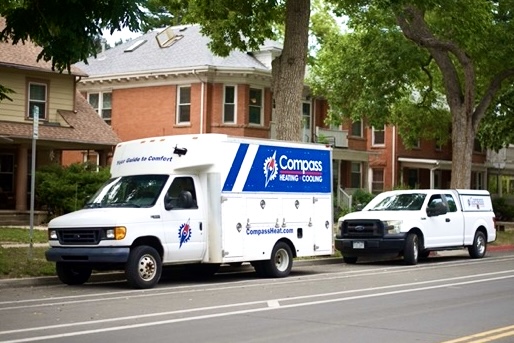

Heating Repair in Berthoud, CO

Berthoud heating repair services diagnose furnace and heat pump issues, offering clear repair options, parts, warranties, and trusted local experts.

Here at Compass Heating and Cooling, we know how essential it is to keep your home warm and safe through Berthoud winters. We're proud to offer residential heating repair in Berthoud, CO, focusing on accurate diagnostics, clear repair options, and lasting solutions for furnaces, heat pumps, and related equipment. Whether you're dealing with a furnace that won't light, a heat pump struggling on cold mornings, or intermittent system failures, we're here to explain what you can expect from our professional heating repair service, including common causes, repair choices, parts and warranty considerations, and practical guidance for emergency situations in Berthoud homes.

Heating Repair in Berthoud, CO

Heating Repair in Berthoud, CO

Keeping your home warm and safe through Berthoud winters is essential. Compass Heating and Cooling provides residential heating repair in Berthoud, CO with a focus on accurate diagnostics, clear repair options, and lasting solutions for furnaces, heat pumps, and related equipment. Whether you are dealing with a furnace that will not light, a heat pump struggling on cold mornings, or intermittent system failures, this page explains what to expect from a professional heating repair service, common causes, repair choices, parts and warranty considerations, and practical guidance for emergency situations in Berthoud homes.

Why heating repair matters in Berthoud, CO

Berthoud sits at elevation with cold, often brisk winters and sharp temperature swings between day and night. Those climate characteristics place particular stresses on heating systems. Homes here commonly experience:

  • Prolonged run times during subfreezing stretches that reveal weak components.
  • Performance drops for conventional heat pumps during very cold mornings.
  • Dust and agricultural pollen that can clog filters and reduce airflow.
  • Older homes with legacy ductwork that leak, reducing effective heat delivery.
  • Increased risk of carbon monoxide or flue issues in combustion systems when seal or vent problems develop.

Prompt, expert repair preserves comfort, lowers energy waste, and reduces safety risks. Compass Heating and Cooling brings local experience to diagnosing and repairing the heating systems that Berthoud homeowners rely on.

Typical systems we service in Berthoud homes

Compass Heating and Cooling technicians are trained on the common residential heating systems found in Berthoud:

  • Gas and oil furnaces: single-stage, multi-stage, and variable-speed blower systems.
  • Heat pumps: air-source heat pumps, cold-climate models, and ductless mini-split systems.
  • Hybrid systems: heat pump paired with a gas furnace for backup heat.
  • Electric furnaces and auxiliary electric heating elements.
  • Indoor components and accessories: thermostats, zone controls, humidifiers, air handlers, and condensate systems.

Each system type requires a different diagnostic approach and parts set. Local elevation and temperature extremes factor into recommended repairs and replacement strategies.

Comprehensive diagnostic and inspection process

A reliable repair begins with a methodical diagnostic process that isolates the root cause rather than treating symptoms. Compass Heating and Cooling technicians follow a multi-step inspection designed to be transparent and thorough.

  1. Initial homeowner interview
  • Document symptoms: when the issue started, any noises, smells, or error codes, and recent weather events or outages.
  • Verify thermostat settings, recent service history, and any recent changes to the home or thermostat.
  1. Safety and basic operational checks
  • Verify power and fuel supply: breakers, switches, gas valve, and fuel lines.
  • Check for active carbon monoxide readings or unusual odors before work proceeds.
  • Confirm thermostat communication and battery status.
  1. Visual and mechanical inspection
  • Inspect burners, heat exchanger, combustions chamber, and flue on combustion systems for cracks, sooting, or improper venting.
  • Check blower motor, belts, bearings, and blower wheel for wear or obstruction.
  • Inspect electrical wiring, capacitors, relays, and control boards for faults.
  1. Functional testing
  • Run controlled start-up and shutdown sequences to observe behaviors such as short cycling, delayed ignition, or pressure switch operation.
  • Measure temperatures across the system: supply and return air temps, and for heat pumps, refrigerant line temperatures.
  • For heat pumps, measure refrigerant pressures, subcooling, and superheat to assess charge and system performance.
  1. Airflow and duct evaluation
  • Measure static pressure when needed and inspect filters, registers, and accessible duct runs for leaks or blockages.
  • Check for proper condensate drainage and freeze protection on condensate traps.
  1. Documentation and transparent findings
  • Provide a clear explanation of findings, photos of critical issues when applicable, and prioritized repair recommendations with options.

This method ensures repairs target the underlying failure and gives homeowners in Berthoud the information they need to choose the most appropriate path.

Common heating problems and troubleshooting

Berthoud homeowners most commonly report the following heating issues. Each entry includes typical causes to help you understand what a technician is likely to check.

  • No heat at all
  • Possible causes: thermostat misprogramming or failure, tripped breaker, gas valve off, pilot or ignition failure, faulty control board.
  • Intermittent heating or short cycling
  • Possible causes: clogged filters, restricted airflow, overheating limit switches, malfunctioning thermostat, failing flame sensor, or size mismatch.
  • Insufficient heat or long run times
  • Possible causes: low refrigerant in heat pumps, weakened burners, cracked heat exchanger, failing compressor, duct leakage, or poor insulation.
  • Unusual noises (banging, rattling, squealing)
  • Possible causes: loose components, failing blower motor bearings, ignition delay, furnace expansion/contraction sounds, or debris in the burner chamber.
  • Strange odors (burning, rotten eggs, or musty smells)
  • Possible causes: electrical wiring issues, accumulated dust burning off, natural gas leak (rotten egg odor is added odorant and is a safety concern), or mold in ductwork or condensate pans.
  • High energy bills
  • Possible causes: inefficient components, poor airflow, thermostat miscalibration, failing compressor, or lack of routine maintenance.
  • Heat pump struggling in cold weather
  • Possible causes: low refrigerant, restricted airflow, defrost cycle problems, or insufficient auxiliary heat operation for very low temperatures.

A qualified technician will test and verify these conditions rather than guess, minimizing unnecessary parts replacement.

Repair options explained

After diagnosing the issue, Compass Heating and Cooling will present repair options tailored to the system condition, age, and homeowner priorities. Typical repair pathways include:

  • Component repair or replacement
  • Examples: replacing ignitors, flame sensors, control boards, blower motors, capacitors, contactors, or reversing valves. Component repairs restore function when the rest of the system is reliable.
  • System tune-up and optimization
  • Cleaning burners and heat exchangers, replacing filters, calibrating thermostats, sealing duct leaks, and adjusting refrigerant charge for heat pumps. These services often extend service life and improve efficiency.
  • Safety repairs and immediate fixes
  • Repairing or replacing cracked heat exchangers, addressing venting problems, or resolving gas leaks immediately to protect occupant safety.
  • Retrofit or staged upgrades
  • Installing variable-speed blowers, upgraded thermostats, or adding zoning to improve comfort without full replacement.
  • Replacement recommendation
  • If the system is near end-of-life, repeatedly failing, or operating very inefficiently, a full system replacement may be offered as a long-term cost-effective solution.

Each option will be explained with expected benefits, likely longevity, and any trade-offs. Recommendations will reflect local climate realities for Berthoud to ensure dependable winter performance.

Parts, warranty, and quality assurance

Compass Heating and Cooling prioritizes using quality parts and clarifying warranty coverage so homeowners know what is protected.

  • OEM and high-quality replacement parts
  • When available and appropriate, Compass uses original equipment manufacturer parts to maintain compatibility and preserve existing system warranties. When OEM parts are not practical, reputable aftermarket parts are selected and disclosed.
  • Manufacturer warranties
  • Many components carry manufacturer warranties that vary by part. Compass documents installed parts and provides warranty information in writing so you understand coverage and any required registrations.
  • Labor and workmanship
  • Compass Heating and Cooling stands behind the quality of workmanship. Labor warranty terms are provided with the repair estimate and will be clearly explained before work begins.
  • Documentation and records
  • Every repair comes with a written report that lists replaced parts, test readings, and recommended follow-up. This documentation helps preserve warranty claims and provides a service history for future decisions.

Transparency about parts and warranties helps Berthoud homeowners protect their investment and avoid surprise failures.

Transparent, upfront pricing and estimates

Homeowners deserve clarity about costs before any work starts. Compass Heating and Cooling provides transparent pricing practices:

  • Diagnostic fee transparency
  • The scope of the diagnostic visit and any applicable inspection fee are explained up front in writing.
  • Itemized estimates
  • Repair estimates are itemized so you can see labor, parts, and any additional services. Options are presented when multiple repair paths exist.
  • Clear explanation of necessary vs optional work
  • Safety-related repairs and code issues are flagged separately from recommended efficiency or comfort upgrades so you can prioritize.
  • No hidden charges
  • Any potential additional charges that might be required will be communicated and justified before proceeding.

While the actual numbers vary by job, Berthoud homeowners will receive clear, written pricing details to make an informed choice.

Certified technicians and credentials

Compass Heating and Cooling technicians assigned to Berthoud service calls hold industry-recognized credentials and local training:

  • Technician certifications
  • Our technicians hold certifications such as NATE (North American Technician Excellence) and EPA refrigerant handling certification where applicable.
  • Manufacturer training
  • Many technicians receive factory training for specific brands and models to ensure proper diagnosis and warranty-compliant repairs.
  • Background checks and continuing education
  • Technicians complete background checks and participate in ongoing training to stay current with new technologies and local code requirements.
  • Safety and compliance
  • All work is performed to meet applicable local codes and standards, including gas appliance safety protocols and proper venting practices important in a high-elevation environment like Berthoud.

These credentials translate to more accurate repairs, safer job sites, and a higher likelihood of first-visit resolution.

Free second-opinion policy

Compass Heating and Cooling offers a free second-opinion policy for homeowners who want reassurance before committing to major repairs or replacements. The second-opinion process typically includes:

  • A thorough re-evaluation of the previously reported issue and any prior diagnosis.
  • Review of documentation and proposed replacement quotes from another provider.
  • A clear, independent assessment that highlights material differences and objective reasons to replace or repair.
  • Recommendations based solely on the system condition and local performance expectations.

This policy recognizes that significant heating decisions benefit from a careful, objective review.

Emergency response and safety guidance for Berthoud residents

Heating failures can pose immediate comfort and safety risks in winter. While each situation differs, here are practical emergency response tips and guidance for Berthoud homeowners to follow until professional help arrives:

  • Signs of immediate danger
  • If you smell natural gas or hear a hissing near a gas appliance, evacuate the home, avoid using electrical switches, and contact the gas provider. If anyone feels dizzy, nauseous, or shows signs of carbon monoxide exposure, seek emergency medical care immediately.
  • If your furnace stops working in cold weather
  • Check the thermostat settings and batteries first. Verify breakers and switches are on. Replace a dirty filter if accessible. If the system still will not start, limit the use of gas-powered portable heaters and ensure proper ventilation.
  • If you suspect carbon monoxide
  • Leave the home, get fresh air, and have a professional inspect the system. Do not re-enter until the source is identified and resolved.
  • For temporary heat in outages
  • Use safe, vented heating devices approved for indoor use. Avoid using stoves or grills indoors. Do not run generators or fuel-burning devices in enclosed spaces.
  • Secure vulnerable water lines

These steps reduce risk while professional technicians evaluate and repair the system.

When to schedule a repair versus consider replacement

Deciding between repairing and replacing your heating system depends on several factors particularly relevant in Berthoud:

  • Age of the system
  • Older furnaces and heat pumps typically incur more frequent repairs and lower efficiency. Consider replacement when repair costs approach a significant fraction of a new system and performance is declining.
  • Frequency and cost of repairs
  • Multiple repairs in a short timeframe often indicate that major components are beginning to fail.
  • Energy bills and comfort
  • If heat distribution is uneven, or heating bills are climbing despite repairs, a modern, higher-efficiency system will likely pay back in comfort and savings over time.
  • Safety or code issues
  • Cracked heat exchangers, unsafe venting, or imminent safety failures often warrant replacement to ensure occupant safety.

Compass Heating and Cooling provides balanced, evidence-based recommendations that consider Berthoud weather demands and long-term homeowner goals.

Preventive maintenance and seasonal care

Regular maintenance is the most effective way to reduce emergency repairs and keep heating systems efficient in Berthoud:

  • Annual tune-ups
  • A yearly inspection and service visit prepares systems for heavy winter use, identifies early wear, and optimizes controls and airflow.
  • Filter replacement
  • Replace or clean filters according to manufacturer recommendations; more frequent changes may be needed in rural or pollen-heavy seasons.
  • Thermostat calibration and zoning checks
  • Proper thermostat settings and functional zone dampers improve comfort and reduce run time.
  • Duct and vent checks
  • Sealing and insulating ducts in unconditioned spaces reduces heat loss and improves system performance in cold conditions.
  • Heat pump winter readiness
  • Confirm defrost cycle function, monitor refrigerant levels, and ensure auxiliary heat is operating correctly for very low temperatures.

Consistent maintenance extends equipment life, lowers repair frequency, and preserves safety.

Benefits of professional repair for Berthoud homeowners

Opting for professional heating repair from a certified provider results in measurable homeowner benefits:

  • Improved safety through proper combustion and venting checks.
  • Better energy efficiency and lower operating costs with tuned systems.
  • Extended equipment life through timely component replacement and balanced operation.
  • Peace of mind from documented inspections and clear warranties on parts and labor.
  • Local expertise that understands how elevation, temperature swings, and rural settings in Berthoud affect system performance.

Compass Heating and Cooling’s local experience ensures repair recommendations support long-term comfort in Northern Colorado conditions.

What to expect during a repair visit

A typical repair visit in Berthoud will follow a predictable, professional flow:

  • Arrival and verification of homeowner concerns and accessibility.
  • Diagnostic inspection and testing with clear documentation.
  • A written explanation of findings and an itemized estimate for recommended repairs or parts.
  • Completion of agreed-upon repairs with appropriate safety tests and performance verification.
  • Post-service documentation detailing work performed, parts installed, and warranty information.

This consistent process helps homeowners plan and understand the work being done in their homes.

Frequently asked questions

Q: How quickly can a technician diagnose my furnace problem?

A: Most common heating issues can be diagnosed during a single service visit. Complex problems that require specialty parts or deeper inspections may need follow-up visits. Your technician will provide an estimated timeline after the initial inspection.

Q: Do you repair all brands and models?

A: Technicians are trained to service most major residential furnace and heat pump brands. When a rare or specialty part is required, technicians will explain options including sourcing OEM or compatible parts.

Q: What warranty coverage will I receive for repairs?A: Repairs typically include a labor warranty and individual part warranties that vary by manufacturer. Compass Heating and Cooling documents warranty terms with every repair so you know the protection that applies.

Q: My heat pump struggles on very cold mornings. Can it be repaired or does it need replacement?A: Many heat pump performance issues can be repaired by checking refrigerant charge, ensuring proper airflow, and verifying defrost cycle operation. If the system is older and inefficient in cold climates, replacement with a cold-climate heat pump may be the most reliable long-term solution.

Q: What should I do if I smell gas?A: If you smell gas, leave the home immediately, avoid using electrical switches, and follow local emergency procedures to notify the utility provider. Have your heating system professionally inspected before restoring service.

Q: Do you offer second opinions on replacement proposals from other companies?A: Compass Heating and Cooling provides a free second-opinion policy to review other companies’ assessments and offer an independent evaluation to ensure you have the full picture before making major decisions.

Q: How often should I schedule maintenance to avoid repairs?A: Annual maintenance is recommended for most heating systems. High-use environments, older equipment, or homes with poor indoor air quality may benefit from more frequent checks.

Q: Are there special considerations for Berthoud homes?A: Yes. Elevation, cold winter nights, and local dust and pollen can impact heating performance. Duct sealing, proper combustion venting checks, and heat pump winter readiness are especially important for Berthoud homes.

Compass Heating and Cooling brings local knowledge and certified technicians to support safe, efficient heating in Berthoud, CO. With clear diagnostics, documented options, and transparent pricing, homeowners can make informed decisions that match their comfort needs and budget while protecting their property and family.

testimonials

hear what our satisfied clients have to say

Our clients consistently praise our exceptional service and attention to detail. They appreciate the personalized approach we take to meet their unique needs, ensuring satisfaction every step of the way.

Mary R.
Regina C.
Michael M.
Bob L.
Shannon S.
Malinda M.
Cynthia H.
Adam N.