


Heat Pump Maintenance in Loveland, CO
At Compass Heating and Cooling, we know keeping your heat pump running reliably through Loveland winters and summer swings takes more than just changing filters. That's why we offer regular, professional heat pump maintenance. It's about preserving efficiency, extending your equipment's life, and preventing those emergency breakdowns that can leave you uncomfortable during cold snaps. We provide comprehensive heat pump maintenance in Loveland, CO, tailored to our local conditions. This includes seasonal tune-ups, filter and coil cleaning, refrigerant checks, electrical and thermostat inspections, performance testing, and ongoing service plan options like the Compass Club.
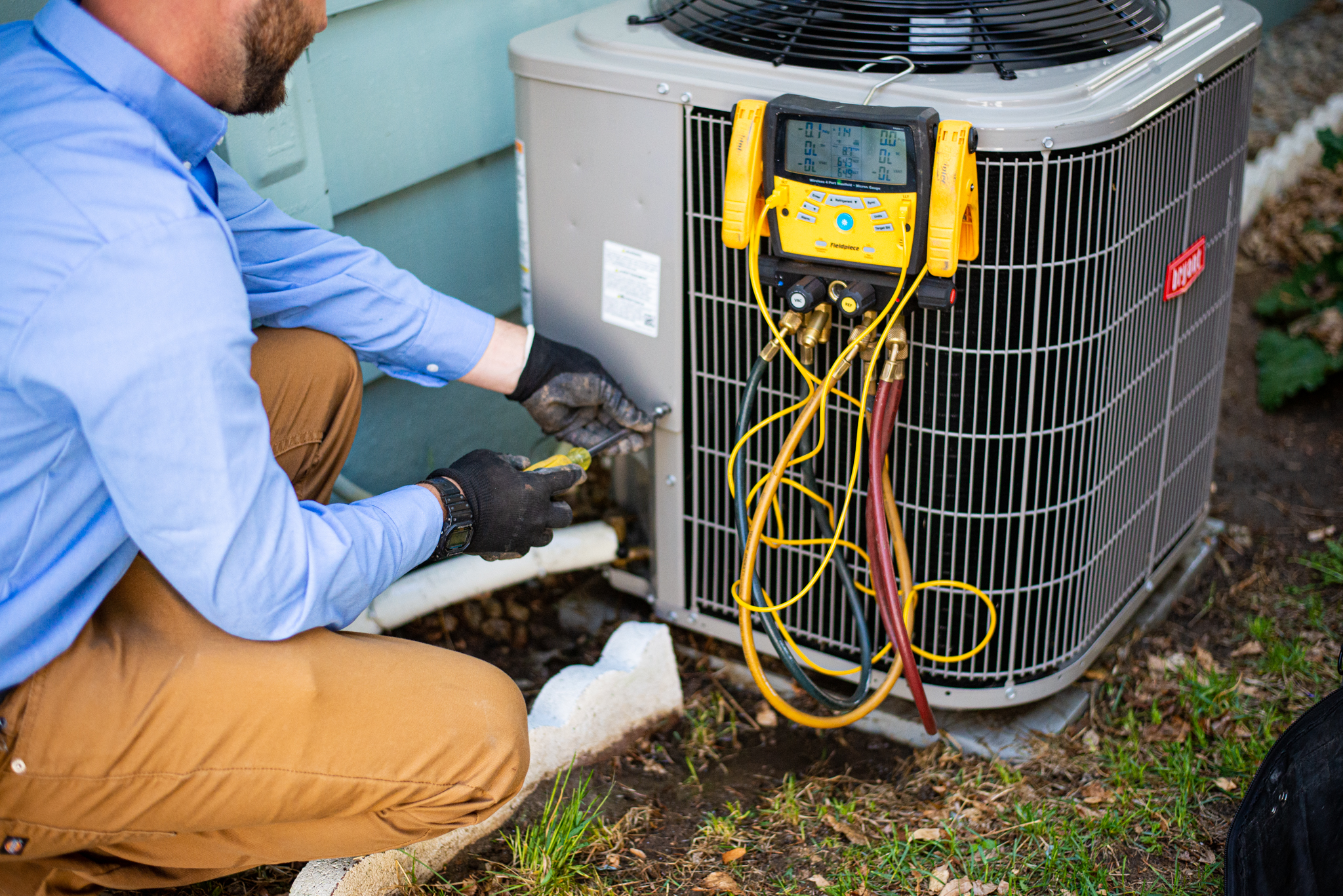
Why heat pump maintenance matters in Loveland, CO
Loveland experiences significant seasonal extremes and unique environmental factors that affect heat pump performance. High altitude, large daytime to nighttime temperature swings, dry winter air, spring and summer pollen, and occasional heavy snowfall all influence how a heat pump operates. Routine maintenance addresses these local stressors:
- High altitude and colder winter nights increase demand on heat pumps, making refrigerant charge and compressor health critical.
- Dust, pollen, and spring winds around Northern Colorado lead to faster filter clogging and outdoor coil contamination.
- Freeze-thaw cycles and snow can create ice build-up on outdoor units and obstruct airflow if not monitored.
- Older systems or improperly maintained units experience reduced heating capacity during cold spells and more frequent defrost cycles.
Professional maintenance reduces energy waste, helps maintain consistent indoor comfort across Loveland’s seasons, and prevents small issues from becoming costly repairs.
Common heat pump issues in Loveland homes
Homeowners in Loveland commonly see the following symptoms when heat pumps lack routine maintenance:
- Reduced heating output during cold mornings or sudden cold snaps
- Short cycling (frequent on/off cycles) that increases wear and raises utility costs
- Frost or persistent ice on the outdoor unit beyond normal defrost cycles
- Unusual noises from the compressor or outdoor unit
- Rising energy bills without a change in usage patterns
- Uneven temperatures between rooms or reduced airflow
- Thermostat inconsistencies or failure to switch modes properly
Many of these issues are preventable or easily corrected with regular seasonal tune-ups and targeted repairs performed by certified technicians.
What a full heat pump tune-up includes
A professional heat pump tune-up should be systematic and documented. Compass Heating and Cooling structures a standard maintenance visit to cover all critical systems and safeguard your equipment for Loveland’s climate.
Typical components of a tune-up:
- Visual inspection of indoor and outdoor units for physical damage, debris, and proper clearances
- Filter check and replacement recommendations; cleaning or replacement if needed
- Outdoor coil cleaning to remove pollen, dust, and road grit that reduces heat transfer
- Indoor coil inspection and cleaning to prevent reduced airflow and capacity loss
- Refrigerant level check and leak assessment to ensure correct charge and efficient operation
- Electrical component inspection including contactors, relays, capacitors, and wiring for tight connections and safe operation
- Compressor and fan motor performance evaluation, including amperage and voltage checks
- Thermostat calibration and sensor verification to ensure accurate temperature control
- Defrost cycle verification and reversing valve operation test for cold-weather performance
- Airflow measurements and duct inspection notes to identify blockages or leaks
- System performance testing including temperature split measurements and overall efficiency assessment
- Written report of findings, recommendations, and any required repairs or parts
These steps help ensure your heat pump is prepared for both the coldest Loveland nights and the hottest summer days.
Filter and coil cleaning: first line of defense
Filters and coils are simple components that have an outsized impact on system performance. In Loveland, seasonal pollen and dust can clog filters quickly. Clogged filters restrict airflow, causing the system to work harder and potentially overheat or freeze up. Dirty coils impede heat transfer, forcing the compressor to run longer and shortening equipment lifespan.
Best practices:
- Replace pleated filters every 1 to 3 months based on household conditions and manufacturer recommendations.
- Have indoor and outdoor coils inspected and cleaned during scheduled maintenance visits to restore proper heat exchange.
- Keep the area around the outdoor unit clear of debris, vegetation, and accumulated snow to maintain airflow.
Regular coil cleaning and filter management reduce energy consumption, improve comfort, and prevent condensation and ice-related issues during winter.
Refrigerant level checks and leak detection
An accurate refrigerant charge is essential for efficient heating and cooling. Low refrigerant can indicate a leak; operating a system with low refrigerant reduces heat transfer and can cause compressor damage.
During maintenance, technicians will:
- Measure refrigerant pressures and compare to manufacturer specifications adjusted for ambient temperature and altitude.
- Inspect visible refrigeration lines and connections for oil marks or corrosion that suggest leaks.
- Recommend repair and safe refrigerant recovery if a leak is found, followed by leak repair and a correct recharge.
Because Loveland’s altitude and colder temperatures influence pressure readings, skilled technicians who understand local conditions are essential for accurate refrigerant diagnosis.
Electrical and thermostat inspections
Electrical faults are common causes of heat pump failure and pose safety concerns. Maintenance visits include careful inspection of:
- Contactors, relays, fuses, breakers, and terminal connections for wear, pitting, and secure attachment
- Capacitors and motors for proper operation and electrical draw
- Safety controls and limit switches that protect the system from damage
- Thermostat settings, wiring, and calibration to ensure correct mode selection and communication with the heat pump
Addressing loose connections and worn electrical parts during maintenance avoids sudden failures and reduces the risk of heat pump downtime.
Performance testing and diagnostics
A maintenance visit ends with performance tests that quantify the system’s health:
- Measuring temperature differential between supply and return air to confirm heat transfer efficiency
- Monitoring compressor run times and cycle frequency to detect short cycling
- Evaluating airflow and static pressure to identify duct or filter issues
- Listening for abnormal sounds and translating them into actionable diagnostics
These diagnostics clarify whether simple maintenance will restore performance or if parts replacement or repair is recommended to prevent imminent failure.
Recommended maintenance schedule for Loveland homes
For most homes in Loveland, a two-visit-per-year schedule provides optimal protection:
- Fall/pre-winter heat pump tune-up focused on heating readiness, defrost cycle checks, refrigerant levels, and backup heat evaluation
- Spring/pre-summer tune-up that emphasizes cooling performance, outdoor coil cleaning, and verifying efficient operation for warmer months
Homes with higher dust loads, pets, or larger households may benefit from more frequent filter changes and quarterly visual checks. Busy households, vacation properties, or older heat pumps also benefit from regular professional inspections to manage wear and extend usable life.
Benefits of preventative heat pump maintenance
Regular maintenance offers measurable, practical benefits for Loveland homeowners:
- Improved efficiency and lower energy bills through optimized heat transfer and correct refrigerant charge
- Longer equipment lifespan by reducing compressor stress and avoiding premature component failure
- Fewer emergency repairs and more predictable operating costs
- More consistent indoor comfort during rapid temperature swings and cold snaps
- Compliance with warranty requirements that often mandate routine professional maintenance
- Better indoor air quality through timely filter replacement and coil cleaning
- Preservation of resale value with documented service history
Viewed as an investment, routine maintenance commonly pays for itself through energy savings and avoided emergency repair costs.
Typical repairs discovered during maintenance and how they are handled
Routine maintenance frequently identifies issues that are best addressed promptly rather than deferred. Common repair items include:
- Refrigerant leaks requiring line repair and recharge
- Failed contactors, capacitors, or relays that cause intermittent operation
- Fan motor or blower motor wear resulting in reduced airflow
- Compressor warning signs that indicate impending failure and require early intervention
- Thermostat malfunctions or sensor faults needing recalibration or replacement
- Minor duct leaks or airflow restrictions that improve with sealing or cleaning
Each repair is documented with a clear explanation of the issue, recommended corrective action, and expected outcomes. Addressing these items after detection during maintenance minimizes the risk of unexpected breakdowns.
What to expect during a Compass Heating and Cooling maintenance visit
A professional maintenance visit from Compass Heating and Cooling focuses on thorough diagnostics, clear communication, and respect for your home:
- The technician will perform a methodical inspection and explain observed issues in plain language
- Routine services such as filter checks, coil cleaning, refrigerant and electrical inspections, and performance testing will be completed
- Any recommended repairs are described with reasons and potential consequences of delay
- The technician will leave a written report of findings and recommendations for future care
This consistent process helps homeowners track system condition over time and make informed decisions about repairs or replacement.
Compass Club membership: ongoing maintenance and advantages
Ongoing service plans provide a structured approach to preventive care that many Loveland homeowners prefer. The Compass Club membership offers benefits designed to maintain performance and reduce long-term costs, including:
- Scheduled annual or semiannual tune-ups by trained technicians to keep systems optimized for Loveland conditions
- Priority scheduling for member services during peak seasons
- Waived or reduced service call fees for covered maintenance visits
- Discounts on eligible repairs and replacement parts to lower the cost of unexpected fixes
- A documented maintenance record that supports warranty requirements and future sale documentation
Membership plans like the Compass Club help spread maintenance costs over time while delivering predictable, proactive care tailored to the region.
Homeowner maintenance tips between professional visits
You can help your heat pump perform reliably by following a few simple practices between professional tune-ups:
- Check and replace or clean filters monthly during high-use seasons to maintain airflow
- Keep the outdoor unit free of leaves, snow, ice, and debris; clear a two-foot perimeter around the unit
- Avoid blocking vents and return grills indoors to maintain even airflow
- Monitor thermostat settings and use programmable or smart thermostats to avoid unnecessary run times
- Watch for any unusual noises, smells, or performance changes and document when they occur
- During winter, avoid using a snow shovel or ice scraper directly on the outdoor unit; clear heavy snow gently to prevent damage
Small, consistent actions by homeowners help maximize the value of professional maintenance.
How maintenance extends heat pump life in cold climates
Heat pumps experience the greatest stress during prolonged cold periods and rapid temperature changes. Proper maintenance protects critical components:
- Ensuring proper refrigerant charge and leak-free systems reduces compressor strain
- Verifying defrost cycle operation prevents persistent ice accumulation that can cause mechanical damage
- Electrical inspections prevent failure caused by worn contacts and degraded wiring
- Airflow management avoids freeze-ups from restricted return or supply vents
With regular maintenance and timely repairs, heat pumps in Loveland homes can reach or exceed their expected service life while maintaining efficient operation.
When maintenance reveals replacement is the best option
Even with excellent maintenance, there comes a point where replacement offers better value than repeated repair. Indicators that replacement may be recommended include:
- Repeated compressor failures or a compressor repair in a unit approaching typical end-of-life
- Diminished capacity despite correct refrigerant charge and routine upkeep
- Rapidly rising repair frequency and cost
- Outdated equipment with lower efficiency relative to modern heat pump technology
- Refrigerant type concerns where older refrigerants are being phased out and recharge becomes impractical
A well-documented maintenance history from Compass Heating and Cooling helps quantify remaining life and informs replacement timing that aligns with budget and comfort needs.
Signs you need immediate service
Contact a qualified technician promptly if you notice any of the following signs in your Loveland home:
- No heating or cooling during extreme weather
- Persistent ice on the outdoor unit beyond normal defrost cycles
- Burning smells or smoke from the system
- Loud banging, grinding, or an abrupt increase in mechanical noise
- Persistent short cycling or frequent tripping of breakers
- Sudden, unexplained increase in utility bills
Addressing these symptoms early reduces the likelihood of major failures and preserves occupant comfort and safety.
Q: How often should I schedule heat pump maintenance in Loveland, CO?
A: For most Loveland homes, schedule professional heat pump maintenance twice a year: once in fall to prepare for winter heating and once in spring to prepare for summer cooling. Homes with heavy dust, pets, or older equipment may benefit from more frequent checks.
Q: What are the most common service problems you find during maintenance visits?
A: Common issues include dirty filters and coils, low refrigerant from leaks, electrical wear such as failing contactors or capacitors, thermostat calibration errors, and restricted airflow due to duct or filter problems.
Q: Will regular maintenance lower my energy bills?
A: Yes. Proper maintenance restores heat transfer efficiency, corrects refrigerant levels, and ensures electrical components operate correctly, which reduces run time and overall energy consumption.
Q: What does the Compass Club cover and how does it help with maintenance?
A: The Compass Club provides scheduled tune-ups, priority service, waived service call fees for covered visits, and discounts on repairs. It creates a consistent maintenance plan that supports system longevity and warranty compliance.
Q: Can maintenance prevent heat pump freeze-ups in winter?
A: Regular maintenance that includes defrost cycle checks, refrigerant inspections, and airflow verification significantly reduces the likelihood of persistent freeze-ups. Proper outdoor unit clearance and coil cleaning also help.
Q: How long does a maintenance visit usually take?
A: A thorough tune-up typically takes between 60 and 90 minutes depending on system complexity and any troubleshooting that is required. During that time, the technician will test performance, inspect components, and document findings.
Q: Are there simple checks I can do between professional visits?
A: Yes. Replace or clean filters monthly during heavy use, keep the outdoor unit clear of snow and debris, ensure vents are unblocked, and monitor thermostat operation and energy use for unusual changes.
Q: Does maintenance affect my warranty?
A: Many manufacturers require routine professional maintenance to maintain warranty coverage. Keeping documented service records helps ensure compliance with warranty terms.
Related Home Comfort Services
If your system is beyond repair, you may want to consider Heat Pump Installation in Loveland; CO. We also offer Heat Pump Repair in Loveland; CO. For homes that need additional attention, check out our AC Maintenance in Loveland; CO options. Learn more about our full heat pump maintenance services, or view all heat pump options. See all the services in loveland; co we provide.
hear what our satisfied clients have to say
Our clients consistently praise our exceptional service and attention to detail. They appreciate the personalized approach we take to meet their unique needs, ensuring satisfaction every step of the way.
.png)