



Heat Pump Maintenance in Timnath, CO
Keeping your heat pump running efficiently and reliably is essential for year-round comfort in Timnath, CO. That's why, at Compass Heating and Cooling, we provide comprehensive heat pump maintenance and preventive care designed specifically for Northern Colorado homes. Regular maintenance reduces the risk of midwinter breakdowns, preserves system efficiency in both heating and cooling seasons, and helps extend the life of your equipment. We'll explain what a professional heat pump tune-up includes, common local issues Timnath homeowners face, recommended maintenance schedules, and how our membership plans can simplify ongoing care.
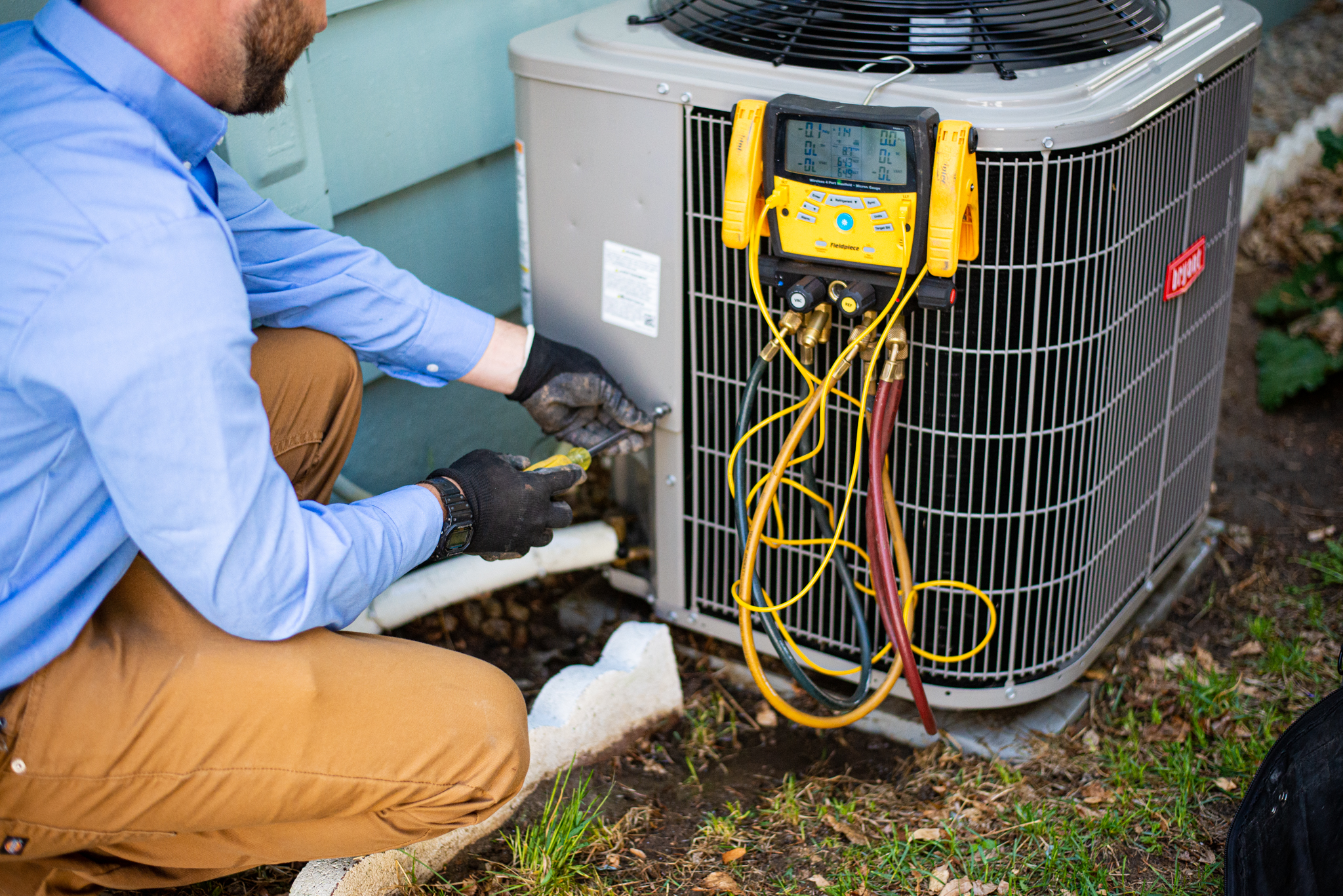
Why routine heat pump maintenance matters in Timnath, CO
Timnath experiences a wide range of temperatures, dry winter air, and seasonal dust and pollen. These local conditions place specific stresses on heat pump systems:
- Large daily and seasonal temperature swings require reliable defrost cycles and accurate refrigerant charge to keep performance steady.
- Dry, dusty conditions and spring dust events increase filter clogging and coil fouling risk, which reduces airflow and efficiency.
- High-altitude, cold winters can push older or poorly maintained heat pumps to work harder, raising operating costs and increasing wear.
Regular, professional maintenance addresses these regional challenges by ensuring refrigerant levels, airflow, electrical systems, and controls are operating as designed. Proper preventive care not only reduces energy bills but also helps maintain comfortable indoor humidity and air quality in Timnath homes.
Common heat pump issues in Timnath homes
Knowing the typical problems that appear locally helps homeowners prioritize maintenance. Common issues Compass Heating and Cooling sees in Timnath include:
- Reduced heating capacity during cold snaps due to low refrigerant or restricted airflow.
- Frosting or ice build-up on the outdoor coil from malfunctioning defrost controls.
- Short cycling or frequent on off cycles caused by improper sizing, thermostat issues, or electrical faults.
- Dirty coils and clogged filters leading to higher energy use and uneven comfort.
- Worn or noisy blower motors and bearings, especially in older systems.
- Refrigerant leaks resulting in lower efficiency and potential compressor stress.
Understanding these issues helps homeowners recognize symptoms early and take preventive action.
What a professional heat pump maintenance visit includes
A complete seasonal tune-up for a residential heat pump focuses on safety, efficiency, and reliability. Compass Heating and Cooling technicians perform a systematic inspection and service that typically includes the following steps:
Initial inspection and system history review
- Verify system model, age, and past service records.
- Confirm homeowner concerns and note any seasonal performance trends.
Exterior unit inspection
- Clear vegetation, debris, and dust from around the outdoor unit.
- Check the outdoor coil for dirt and damage; clean as needed to restore heat transfer.
- Inspect the fan motor and blades for wear, balance, and damage.
Indoor unit and blower maintenance
- Remove and clean blower assembly where accessible to maintain proper airflow.
- Inspect evaporator coil condition; clean if necessary to prevent restricted airflow.
- Confirm drain lines are clear and condensate removal works properly.
Refrigerant and leak checks
- Measure system refrigerant charge and compare to manufacturer specifications.
- Test for refrigerant leaks if charge is low and advise on repair options if found.
Electrical and safety inspections
- Tighten electrical connections, inspect contactors, relays, and capacitors.
- Test safety controls and high limit switches to ensure secure operation.
Controls, thermostat, and performance testing
- Calibrate thermostat and verify proper system staging.
- Measure superheat and subcooling where applicable for correct refrigerant performance.
- Verify defrost cycle operation and reversing valve function in heat mode.
Air filter and indoor air quality guidance
- Inspect filter type and condition; recommend replacement frequency and suitable filter MERV ratings for your home.
- Advise on whole-home humidification or filtration improvements if needed, especially for dry Colorado winters.
Operational testing and documentation
- Run the unit through heating and cooling cycles to verify stable operation.
- Provide a written summary of findings, any recommended repairs, and the expected benefits of completing them.
Each step is designed to identify small problems before they become major failures and to optimize system performance for the season ahead.
Refrigerant, coils, and defrost cycle explained simply
Refrigerant levels and coil cleanliness are central to heat pump performance:
- Refrigerant carries heat between the indoor and outdoor coils. Too little refrigerant lowers capacity and can cause the compressor to overwork.
- Outdoor coils collect heat from the air in heating mode; ice can form on the coil in cold, humid conditions. The defrost cycle melts that ice periodically. If defrost controls or the reversing valve fail, the unit may stay iced up and lose heating capacity.
- Dirty coils reduce heat transfer, forcing the system to run longer and increasing energy use.
Technicians check refrigerant pressures, inspect for visible leaks, test defrost controls and reversing valves, and clean coils as needed. Addressing refrigerant and coil issues is among the most effective ways to restore efficiency.
Airflow, filters, and indoor air quality
Proper airflow is critical for comfort, efficiency, and equipment longevity:
- A dirty or improperly sized filter restricts airflow, reduces heat transfer across the coil, and can cause icing in heating mode.
- Blower motor issues, closed or blocked supply vents, and duct leaks can all produce poor airflow and uneven temperatures.
- In Timnath, seasonal dust, construction activity, and pollen will increase the frequency of filter changes and duct cleaning needs.
Compass Heating and Cooling evaluates filter type and condition, measures airflow performance, inspects ductwork where accessible, and recommends filter replacement schedules based on your home environment. For households concerned about allergies or indoor air quality, technicians can advise on higher efficiency filters or supplemental whole-home filtration and humidification.
Electrical checks and component wear
Electrical faults are a leading cause of heat pump failures and unsafe operation:
- Loose connections, worn contactor points, weak capacitors, and failing motors can cause intermittent operation or complete shutdowns.
- Capacitors degrade over time and are a common cause of hard starts or motor failures.
- Detecting early wear on relays, fan motors, and compressors prevents unplanned breakdowns and potentially costly replacements.
During maintenance, technicians tighten accessible connections, test capacitors and motors, and identify any components approaching end-of-life. Replacing worn parts proactively improves reliability and reduces the chance of emergency service calls during extreme temperatures.
Recommended maintenance schedule for Timnath homes
A proactive schedule helps keep heat pumps operating efficiently and reliably:
- Spring service - inspect and tune the system before the cooling season. Clean condenser coil, check refrigerant, service the blower, and test cooling performance.
- Fall service - complete a heating season tune-up including refrigerant checks, defrost cycle verification, and heating performance testing.
- Mid-season visual checks - between professional visits, inspect filters monthly and replace or clean as needed. Keep outdoor unit free of debris and ensure supply vents are open.
- Every 3 to 5 years - deeper inspections for duct leakage, airflow balancing, and possibly duct cleaning if dust accumulation is evident.
Homes in Timnath that experience heavy dust or have pets may need filter replacement more frequently. Newer, high-efficiency heat pumps with inverter-driven compressors still benefit from annual professional maintenance to preserve warranties and performance.
Compass Club membership and maintenance plan benefits
A service membership removes uncertainty around scheduling and prioritizes preventive care. Compass Heating and Cooling offers maintenance plans designed to simplify long-term system care. Typical membership advantages tailored to Northern Colorado homeowners include:
- Annual tune-ups timed for heating and cooling seasons to optimize year-round performance.
- Priority scheduling during peak weather periods to reduce wait times when a breakdown would be most disruptive.
- Detailed service records kept for your equipment to help with warranty compliance and resale value.
- Discounts on repair parts and diagnostic fees as part of ongoing membership benefits.
- Guidance on energy saving strategies and equipment replacement timing based on actual system performance.
Membership helps homeowners in Timnath preserve comfort through wide temperature swings, minimize surprises, and manage maintenance costs predictably.
What to expect when you schedule a professional maintenance visit
A professional maintenance visit is methodical and transparent. Expect the technician to:
- Review the system history and homeowner observations.
- Perform a step-by-step inspection and explain any findings in plain language.
- Complete cleaning and testing tasks, documenting pressures, temperatures, and electrical measurements.
- Provide clear recommendations for repairs vs. monitoring, including a description of the tradeoffs for each option.
- Leave a written summary of work performed and any follow up needed.
This approach helps homeowners make informed decisions that balance immediate needs, long-term savings, and equipment longevity.
Signs your heat pump needs immediate attention
Watch for these warning signs that indicate a problem requiring prompt service:
- Rapidly rising energy bills without a change in use or thermostat settings.
- Reduced heating capacity during cold weather or prolonged defrost cycles with visible ice.
- Odd noises such as grinding, loud rattling, or sustained buzzing from the indoor or outdoor unit.
- Frequent short cycling or systems that start and stop repeatedly.
- Water leaks or excessive condensation in or around indoor equipment.
- Thermostat shows errors or the system does not respond reliably to setpoint changes.
Addressing these signs early prevents larger failures and often costs less than emergency repairs or a premature replacement.
The long-term benefits of regular heat pump maintenance
Investing in regular maintenance delivers measurable advantages:
- Improved energy efficiency and lower operating costs by restoring optimal refrigerant charge and clean heat transfer surfaces.
- Greater system reliability and fewer unexpected outages during extreme weather.
- Extended equipment life by minimizing stress on the compressor and motors.
- Better indoor comfort with even temperatures and improved humidity control.
- Preservation of manufacturer warranty coverage through documented annual service.
For homeowners planning an eventual replacement, maintenance also helps verify system issues and provides documentation that supports smart timing for an upgrade to a more efficient heat pump.
How Compass Heating and Cooling approaches residential maintenance
Compass Heating and Cooling provides local expertise for Northern Colorado conditions. Our technicians apply a consistent maintenance checklist tailored to common regional issues such as dust loading, cold weather defrost performance, and high altitude charge considerations. We emphasize clear communication and education so homeowners understand both the technical findings and the practical options for repair or ongoing preventive care. Maintenance visits include a focus on safety, system efficiency, and long-term reliability.
Final notes on heat pump care in Timnath, CO
Timnath homeowners face specific challenges like seasonal dust, temperature swings, and cold winter periods that can stress heat pumps more than in milder climates. Regular, professional maintenance targeted to these local conditions is the most cost effective way to maintain comfort, reduce energy consumption, and protect your investment in heating and cooling equipment. Keeping detailed service records, following a recommended maintenance schedule, and considering a membership plan are practical steps to minimize surprises and maximize the performance of your heat pump.
Q: How often should I have my heat pump professionally serviced in Timnath, CO?
A: Most Timnath homes benefit from two professional tune-ups per year - one in spring before cooling season and one in fall before heating season. Homes with heavy dust, pets, or high usage may need more frequent filter changes, and any unusual symptoms should prompt an inspection.
Q: What filter type and MERV rating is recommended for Timnath homes?
A: A high quality pleated filter with a MERV rating between 8 and 11 balances filtration and airflow for most homes. Homes with allergy or respiratory concerns may opt for higher MERV filters, but you should verify your system can handle denser filters without compromising airflow.
Q: Will maintenance prevent refrigerant leaks?
A: Regular maintenance identifies low refrigerant charge and can detect leaks earlier, but it cannot guarantee there will never be a leak. Timely detection and repair of leaks are essential to protect compressor health and restore efficiency.
Q: What does a defrost cycle test include?
A: A defrost cycle test verifies that the outdoor coil resets from a frost state appropriately. Technicians monitor coil temperature, compressor operation, and the reversing valve to ensure the system enters and exits defrost correctly and within manufacturer timing parameters.
Q: Are there specific maintenance concerns for ductless mini split systems in Timnath?
A: Ductless systems need similar care: outdoor unit coil cleaning, indoor evaporator cleaning, filter cleaning or replacement, and electrical checks. Because many mini splits operate year-round, monitoring refrigerant and performing annual professional checks is important.
Q: How does preventive maintenance affect warranty coverage?
A: Many manufacturer warranties require documented annual maintenance performed by a qualified technician. Keeping records of professional service helps preserve warranty coverage and supports claims if a covered failure occurs.
Q: What should I do between professional visits to keep my heat pump healthy?
A: Check and replace filters as recommended, keep the outdoor unit free of debris, ensure indoor vents are open and unblocked, and watch for any unusual sounds or performance changes. Log energy or comfort changes to share with your technician at the next service.
Q: Can maintenance reduce my energy bills in Timnath?
A: Yes. Cleaning coils, correcting refrigerant charge, ensuring proper airflow, and tuning controls all restore system efficiency. For many homes, routine maintenance reduces energy consumption compared with neglected systems, especially during prolonged heating or cooling periods.
Q: How long does a typical maintenance visit take?
A: A standard tune-up usually takes between 60 and 90 minutes depending on system access, size, and any required cleaning or minor adjustments. Homes with complex ductwork or multiple indoor units may require additional time.
Q: Does Compass Heating and Cooling offer maintenance plans that include emergency priority service?
A: Compass Heating and Cooling provides membership options designed to prioritize preventive care and support timely service during peak weather periods. Membership benefits generally include scheduled tune-ups, priority scheduling, and preferred pricing on repairs and parts.
Related Home Comfort Services
If your system is beyond repair, you may want to consider Heat Pump Installation in Timnath; CO. We also offer Heat Pump Repair in Timnath; CO. For homes that need additional attention, check out our AC Maintenance in Timnath; CO options. Learn more about our full heat pump maintenance services, or view all heat pump options. See all the services in timnath; co we provide.
hear what our satisfied clients have to say
Our clients consistently praise our exceptional service and attention to detail. They appreciate the personalized approach we take to meet their unique needs, ensuring satisfaction every step of the way.
.png)