


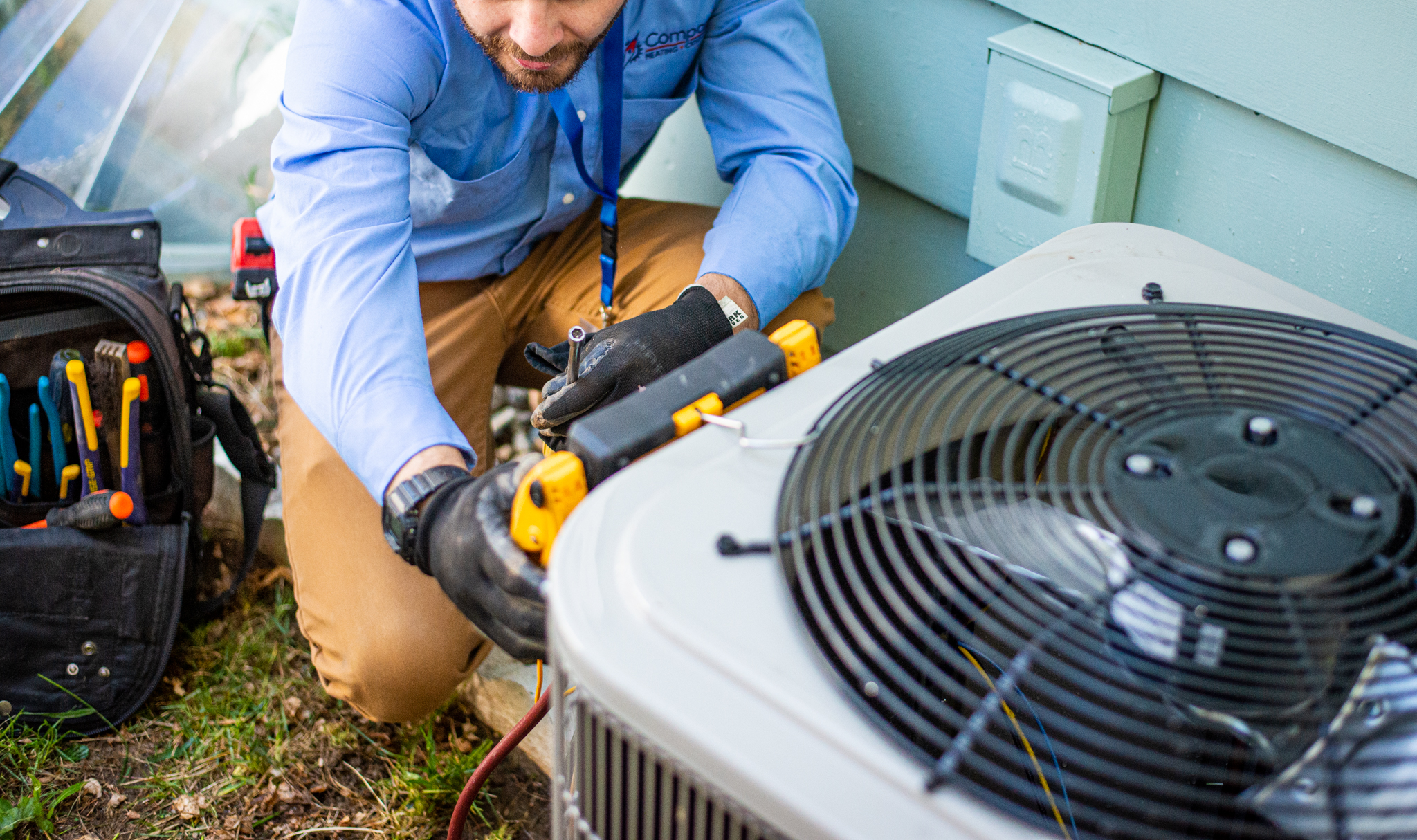
Heat Pump Maintenance in Johnstown, CO
At Compass Heating and Cooling, we know that keeping your heat pump in reliable, efficient condition is essential for year-round comfort in Johnstown, CO. That's why we provide professional heat pump maintenance designed to prevent breakdowns, maximize efficiency, and extend equipment life. Let us explain what a comprehensive maintenance program looks like, common heat pump issues seen in Northern Colorado homes, a seasonal tune-up checklist, why routine service matters, our recommended service frequency, and what Compass Club membership includes for homeowners in Johnstown, CO.
Heat Pump Maintenance in Johnstown, CO
Keeping your heat pump in reliable, efficient condition is essential for year-round comfort in Johnstown, CO. Compass Heating and Cooling provides professional heat pump maintenance designed to prevent breakdowns, maximize efficiency, and extend equipment life. This page explains what a comprehensive maintenance program looks like, common heat pump issues seen in Northern Colorado homes, a seasonal tune-up checklist, why routine service matters, recommended service frequency, and what Compass Club membership includes for homeowners in Johnstown, CO.
Why heat pump maintenance matters in Johnstown, COJohnstown experiences wide temperature swings between hot summers and cold winters, plus seasonal dust, pollen, and occasional heavy snow. Those local conditions place unique demands on heat pump systems:
- Temperature extremes increase run time and stress on compressors and electrical components.
- High altitude and drier air affect heat transfer and refrigerant performance.
- Agricultural dust, pollen, and windblown debris increase coil fouling and filter loading.
- Snow and ice accumulation can obstruct outdoor units and affect defrost cycles.
Regular maintenance addresses these local stressors before they turn into expensive repairs. Compass Heating and Cooling tailors tune-ups and inspections to the climate and operating patterns common in Johnstown homes, focusing on reliability and long-term performance.
Common heat pump problems in Johnstown homesKnowing the typical failure points helps homeowners recognize early warning signs and prioritize maintenance. In Johnstown, CO, we frequently see these issues:
- Reduced airflow from clogged filters, dirty coils, or restricted vents, causing poor heating and cooling.
- Refrigerant leaks or incorrect charge, leading to decreased capacity and higher run times.
- Malfunctioning defrost controls or stuck reversing valves, causing inefficient winter operation or icing.
- Electrical problems including loose connections, worn contactors, and failing capacitors due to thermal cycling.
- Short cycling and frequent on/off cycles that increase wear on compressors.
- Outdoor unit blockage from snow, ice, weeds, or debris restricting heat exchange.
- Worn bearings, failing motors, or unbalanced fans creating noise and reducing efficiency.
- Ductwork leaks or poor insulation that reduce delivered capacity and comfort.
- Drainage problems like clogged condensate drains or pan issues that can cause water damage or mold.
A preventive maintenance program looks for these conditions and corrects them before they escalate.
What a professional heat pump maintenance visit includesCompass Heating and Cooling follows a structured maintenance process that covers diagnostics, cleaning, adjustments, and documentation. A thorough tune-up typically includes these core elements:
- Visual inspection and safety check
- Inspect outdoor and indoor units for physical damage, clearances, and evidence of pests or debris.
- Verify proper mounting and vibration isolation on the outdoor unit.
- Check electrical panels, breakers, and disconnects for signs of overheating or corrosion.
- Air filter inspection and replacement guidance
- Check filter condition and recommend or replace media to restore airflow.
- Discuss appropriate filter types and replacement frequency for Johnstown conditions.
- Coils and heat exchanger cleaning
- Clean outdoor condenser coils and indoor evaporator coils to improve heat transfer.
- Remove dirt, pollen, and dust buildup that reduces efficiency.
- Refrigerant system evaluation
- Measure refrigerant pressures and temperatures to verify proper charge.
- Inspect for signs of refrigerant leaks and recommend repair if pressures are out of spec.
- Electrical system testing
- Test capacitors, contactors, relays, and fuses for proper operation.
- Tighten electrical connections and check voltage and amperage to motors and compressors.
- Defrost cycle and reversing valve check
- Confirm the defrost control operates correctly during cold conditions.
- Test the reversing valve for reliable mode changes between heating and cooling.
- Airflow and blower performance
- Measure airflow across the coil and check blower motor operation.
- Inspect ductwork for obvious leaks, damage, or insulation deficiencies.
- Thermostat calibration and controls
- Verify thermostat accuracy and proper staging and sequencing.
- Inspect control wiring and sensors for secure connections.
- Condensate and drain inspection
- Clean condensate drain lines and pans to prevent clogs and overflow issues.
- Check for microbial growth and recommend treatments where necessary.
- Lubrication and moving parts
- Lubricate motors and bearings where applicable and inspect fan blades for balance.
- System performance testing
- Run the system through heating and cooling cycles, measure temperature splits, and evaluate run times.
- Provide a performance report with findings and recommended corrections.
- Documentation and maintenance record
- Provide a written or digital report that documents system condition, performed services, and any recommended repairs or parts replacement.
This level of inspection prevents small problems from becoming big failures, keeps equipment operating at designed efficiency, and supports warranty compliance for many manufacturers.
Seasonal tune-up checklist for Johnstown homeownersFollow a seasonal checklist to keep your heat pump ready for both winter heating and summer cooling. Compass Heating and Cooling recommends the items below as part of a seasonal tune-up:
Spring tune-up (prepare for cooling season)
- Replace or clean filters
- Clean condenser coils on outdoor unit
- Inspect fan motor and blades
- Check refrigerant pressures and charge
- Test thermostat in cooling mode
- Verify defrost cycle components are ready for winter (pre-check)
- Inspect ductwork and supply vents for blockages
- Clean condensate drain lines and pan
- Verify electrical connections and capacitor health
Fall tune-up (prepare for heating season)
- Replace or clean filters
- Clean indoor evaporator coil if accessible
- Check reversing valve operation and defrost control
- Inspect outdoor unit for winter clearance and potential snowdrift risks
- Test system in heating mode and monitor temperature rise
- Inspect and tighten electrical connections
- Test safety controls and emergency shutoff
- Evaluate heat pump backup heating elements or auxiliary heat
Recommended service frequency and timing
- Twice-yearly maintenance is recommended for most Johnstown homes: once in spring and once in fall. This schedule addresses the transition to heavy cooling and heavy heating seasons.
- Homes with older systems, heavy dust exposure, pets, or occupancy patterns that increase run time may benefit from quarterly inspections or more frequent filter changes.
- Preseason service is the best time to catch issues before they affect comfort. A fall visit prevents winter breakdowns; a spring visit restores peak cooling performance.
Benefits of regular heat pump maintenanceInvesting in routine maintenance delivers measurable advantages for Johnstown homeowners:
- Improved efficiency and lower energy use
- Clean coils, proper refrigerant charge, and optimized airflow reduce energy consumption, which is especially important with cold-climate heat pump operation.
- Extended equipment life
- Preventive care reduces stress on compressors, motors, and electrical components, extending the useful life of the system.
- Fewer emergency repairs and unexpected failures
- Detecting worn parts and early faults minimizes sudden breakdowns during extreme temperatures.
- Better comfort and consistent performance
- Proper tuning ensures even temperature distribution and reliable control during both heating and cooling seasons.
- Maintains warranty compliance
- Many manufacturers require documented annual maintenance to keep warranties valid. Professional service records from Compass Heating and Cooling fulfill that requirement.
- Improved indoor air quality
- Regular filter replacement and cleaning reduce dust, pollen, and allergens circulated in the home.
Compass Club membership benefits for Johnstown homeownersCompass Heating and Cooling offers a membership plan tailored for homeowners who want worry-free maintenance and priority service. Key features typically included in a professional maintenance membership are:
- Scheduled annual or semiannual tune-ups included for participating systems
- Priority service scheduling compared to non-members, reducing wait time during peak seasons
- Waived or reduced diagnostic service fees for covered systems
- Discounts on repairs and parts for members
- Comprehensive service documentation and maintenance history tracking
- Reminder service for upcoming inspections and filter changes
- Adjusted scheduling to align with the best preseason windows for Johnstown climate conditions
For Johnstown homeowners, Compass Club membership is a practical choice if you prefer automated care, documented inspections that protect warranties, and priority attention during high-demand periods.
What to expect during a Compass Heating and Cooling maintenance visitDuring a professional service visit, homeowners in Johnstown can expect a consistent, transparent process:
- Arrival and system walkthrough
- The technician confirms make and model, inspects the indoor and outdoor equipment, and reviews recent system history if available.
- Safety-first checks
- Technicians perform safety checks on electricals, gas (if hybrid systems are present), and controls before working on the system.
- Diagnostic evaluation
- The technician measures pressures, temperatures, voltages, and airflow. These readings help diagnose hidden issues like refrigerant loss or motor stress.
- Cleaning and adjustments
- The technician cleans coils, replaces or recommends filters, flushes drains, lubricates parts, and tightens electrical connections as needed.
- Performance validation
- After adjustments, the system is run through cycles in heating and cooling mode to verify improvement and consistency.
- Written findings
- A clear service report summarizes what was inspected, what was corrected, and what parts or repairs may be recommended in the near term.
- Recommendations
- If repairs or replacements are needed, technicians provide transparent options and explanations about urgency, expected benefits, and likely outcomes.
Maintenance best practices for Johnstown homeownersAdopting a few simple habits between professional visits can preserve heat pump performance:
- Replace or clean filters on a regular schedule—more often during pollen season or when pets are present.
- Keep outdoor unit clear of snow drifts, grass clippings, and debris. Maintain at least 2 feet of clearance for airflow.
- Keep supply and return vents unobstructed inside the home and check them for dust accumulation.
- Monitor system performance. Note unusual sounds, increased runtime, or fluctuating temperatures, and log the dates these occur.
- Maintain attic and crawlspace insulation and seal duct leaks to reduce load on the heat pump.
- If your property has heavy dust or agricultural exposure, consider higher MERV filters balanced against airflow needs and discuss options with your technician.
When maintenance discovers repairs or parts replacementA tune-up can reveal necessary repairs. Common items that may be recommended include:
- Refrigerant leak repair and recharge
- Replacement of worn capacitors, contactors, or fan motors
- Replacement of failing defrost controls or reversing valves
- Repair or sealing of duct leaks and insulation upgrades
- Replacement of aging compressors or outdoor fans when near end of life
Technicians will rank these suggestions by urgency and expected impact on comfort and efficiency. Documented recommendations help homeowners in Johnstown plan repairs around seasonal budgets rather than during emergencies.
Warranty and documentation advantagesRegular, documented maintenance supports manufacturer warranties. Compass Heating and Cooling provides written maintenance records that show the system was inspected and serviced according to manufacturer and industry standards. This documentation can protect you if a warranty claim arises.
Energy savings and ROI from maintenanceRoutine maintenance is one of the most cost-effective ways to lower operating costs. Keeping coils clean, refrigerant correctly charged, and airflow optimized reduces run time and electrical draw. Over time, these efficiency gains help offset the cost of maintenance by lowering utility bills and delaying the capital expense of premature replacement.
Safety and comfort during Northern Colorado wintersIn Johnstown winters, heat pumps operate under low ambient conditions where backup heating or auxiliary heat may engage. Proper maintenance ensures reliable defrost cycles, efficient backup heat operation, and safe electrical performance. A well-tuned system reduces ice buildup on the outdoor coil and maintains indoor comfort without excessive auxiliary heat use.
Seasonal timing recommendations specific to Johnstown
- Fall service: Schedule maintenance in early to mid-fall to prepare for the cold months and reduce the chance of mid-winter failures.
- Spring service: Book service in late spring after the heating season but before summer cooling demand peaks. This visit is the best time to clean coils and confirm cooling readiness.
- Consider a mid-winter check if temperatures are unusually cold for prolonged periods or if you notice increased runtime or performance issues.
How to choose the right maintenance programSelecting the right maintenance plan depends on system age, occupancy, and local environmental factors:
- New systems: At minimum, follow manufacturer recommendations for annual or semiannual checks. A membership program that covers tune-ups and documents service is often a good match.
- Older systems: Increase visit frequency for systems over 8 to 10 years to catch wear-related issues early.
- High-demand homes: If you have multiple zones, large square footage, or run the system extensively, consider more frequent inspections.
- Homes with indoor air concerns: Combine maintenance with indoor air quality assessments to select filters and accessories that improve health and reduce load on equipment.
Frequently asked questions (FAQs)
Q: How often should I have my heat pump serviced in Johnstown, CO?
A: Twice yearly is recommended for most homes in Johnstown: one tune-up in the fall for heating readiness and one in the spring for cooling readiness. Homes with high dust exposure, pets, or older equipment may need more frequent checks.
Q: Will regular maintenance reduce my utility bills?
A: Yes. Professional maintenance restores proper airflow, corrects refrigerant issues, and ensures components run efficiently, which reduces run time and energy consumption.
Q: What is included in a typical Compass Heating and Cooling tune-up?
A: A full tune-up includes filter inspection and guidance, coil cleaning, refrigerant checks, electrical testing, defrost and reversing valve checks, airflow measurement, condensate drain cleaning, lubrication, system performance tests, and a written report.
Q: Can maintenance prevent my heat pump from failing in winter?
A: Regular maintenance reduces the risk of winter failures by identifying weak components, ensuring proper defrost operation, and minimizing stress that leads to breakdowns.
Q: Does maintenance affect my manufacturer warranty?
A: Many manufacturers require documented maintenance to maintain warranty coverage. Professional service records from Compass Heating and Cooling meet warranty documentation needs.
Q: What are the benefits of joining the Compass Club membership?
A: Membership typically includes scheduled tune-ups, priority service, waived or reduced diagnostic fees, discounts on repairs, and documented maintenance history to protect warranty coverage.
Q: Are there signs I should call for service outside the regular tune-up?
A: Yes. Call for service if you notice unusual noises, decreased heating or cooling performance, increased energy bills, frequent short cycling, ice on the outdoor unit outside of normal defrost cycles, or water leaks near the indoor equipment.
Q: How does Johnstown weather affect my heat pump?
A: Johnstown sees cold winters and warm summers. High run time during seasonal extremes, along with local dust, pollen, and occasional snow, means components face more wear and coil fouling than in milder climates. Seasonal maintenance helps address these specific stresses.
Q: How long does a professional maintenance visit take?
A: Most comprehensive tune-ups take about one to two hours depending on system access, age, and condition. Complex repairs or deep-cleaning tasks may require additional time.
Q: What should I do to prepare my home before a maintenance visit?
A: Ensure access to the indoor unit, clear space around supply and return vents, and remove snow or debris from around outdoor equipment where possible. Keep pets secured for the safety of the technician and your pet.
Related Home Comfort Services
If your system is beyond repair, you may want to consider Heat Pump Installation in Johnstown; CO. We also offer Heat Pump Repair in Johnstown; CO. For homes that need additional attention, check out our AC Maintenance in Johnstown; CO options. Learn more about our full heat pump maintenance services, or view all heat pump options. See all the services in johnstown; co we provide.
hear what our satisfied clients have to say
Our clients consistently praise our exceptional service and attention to detail. They appreciate the personalized approach we take to meet their unique needs, ensuring satisfaction every step of the way.
.png)