


AC Installation in Evans, CO
Compass Heating and Cooling knows that installing air conditioning in Evans, CO, is an investment in summer comfort, indoor air quality, and long-term energy savings. Evans summers can bring hot afternoons and increasing humidity, especially during monsoon season. Many older homes weren't designed for today's high-efficiency systems. We offer a complete and transparent installation process, starting with a free consultation and ending with a fully tested and warrantied system that's perfectly sized and configured for your home and your family's needs.
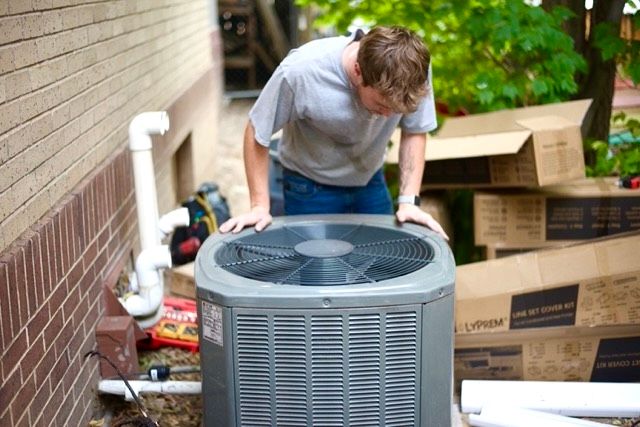
Why a professional air conditioning installation matters in Evans, CO
A properly installed air conditioner does more than cool your home. It delivers consistent comfort, efficient operation across varying temperatures and elevation, and fewer breakdowns over the unit’s lifetime. In Evans homes, local factors matter:
- Colorado elevation and cooler nighttime temperatures change how systems cycle compared to sea-level installations. Correct refrigerant charge and startup calibration are important.
- Summer heat spikes and afternoon storms can stress undersized systems, increasing repair risk and utility bills.
- Many Evans homes have older ductwork or mixed heating systems, which requires careful integration to avoid airflow problems and uneven cooling.
Improper sizing or a poor installation job leads to short cycling, reduced efficiency, humidity control issues, and a shorter equipment life. A professional installation tailored to Evans homes prevents these common outcomes.
Common air conditioning problems that lead homeowners to replace their system
- Frequent refrigerant leaks or repeat repairs on aging compressors.
- High utility bills with inconsistent cooling across rooms.
- Constant cycling or a system that runs nonstop without reaching set temperature.
- Poor humidity control and sticky interior air during summer storms.
- Noisy operation from outdoor units or rattling ductwork.
- Systems older than 12 to 15 years losing efficiency and parts availability.
Recognizing these problems early and choosing the right replacement reduces downtime, prevents premature component failure, and improves comfort.
Types of systems we install in Evans, CO homes
Compass Heating and Cooling installs a range of modern cooling systems tailored to different homes and budgets:
- Central air conditioners with matched outdoor condenser and indoor coil for ducted homes.
- High-efficiency heat pump systems that provide both heating and cooling with excellent year-round efficiency.
- Ductless mini-split systems for room additions, older homes without ductwork, or high-efficiency zoning.
- Two-stage and variable-speed systems for better humidity control and quieter, more consistent cooling.
- Package units and rooftop units for specific installation needs.
Each system type has advantages depending on home layout, duct condition, and homeowner priorities for efficiency and comfort.
Free on-site consultation and no-cost estimates
Compass Heating and Cooling begins every air conditioning installation with a free on-site consultation and a no-cost estimate. During that visit, a certified technician will:
- Inspect the existing system, ductwork, and attic or utility areas.
- Discuss comfort goals, typical occupancy patterns, and budget preferences.
- Identify potential duct or airflow problems, insulation issues, or areas that commonly need attention during an install.
- Explain relevant rebates, local permitting requirements, and available payment options.
This consultation is focused on education and matching the right equipment to your home, not pressure. It sets realistic expectations for timeline, disruption, and final performance.
Load calculations and proper unit sizing
One of the most important steps in a quality air conditioning installation is accurate load calculation and correct unit sizing. Compass Heating and Cooling performs industry-standard calculations to determine the cooling load your home actually needs.
- We use Manual J style load calculations to factor in: square footage, insulation levels, window sizes and orientation, shading, local climate patterns, occupancy, and internal heat gains from appliances and lighting.
- Sizing is not about choosing the biggest unit. Oversized units short-cycle, which reduces dehumidification, increases wear, and raises energy costs. Undersized units struggle to reach setpoint and run continuously.
- Proper selection balances capacity, efficiency, and runtime to deliver steady temperature control and humidity management across Evans’ variable summer weather.
These calculations are documented in the estimate so you understand why a particular system was recommended for your home.
Guidance on energy-efficient model selection
Energy efficiency is a major factor when selecting a new air conditioner. Compass Heating and Cooling helps Evans homeowners evaluate models based on real-world benefits:
- SEER ratings: Higher SEER numbers generally reduce cooling energy use. We explain the incremental savings and what makes sense for your usage patterns and payback expectations.
- Variable-speed and inverter-driven compressors deliver better humidity control, quieter operation, and reduced cycling.
- Matched system components: A properly matched outdoor unit and indoor coil maximize efficiency and reliability.
- Advanced filtration and air quality accessories: Upgraded filters, UV lights, and whole-home ventilation can improve indoor air and reduce allergen loads.
- Consideration of heat pump options: Modern cold-climate heat pumps are efficient and can reduce winter fuel switching where applicable.
Energy-efficient choices should always align with your usage patterns and local electricity rates. We guide you through these tradeoffs clearly and without industry jargon.
Typical step-by-step installation process
Compass Heating and Cooling follows a consistent install process so homeowners in Evans know what to expect. A typical installation includes these steps:
Pre-install inspection and confirmation
- Finalize load calculations and equipment selection.
- Confirm access, ductwork condition, and any required permits.
- Schedule a convenient install date.
Site preparation
- Protect flooring, landscaping, and interior finishes.
- Remove the existing condenser and indoor components if replacing an old system.
- Prepare condensate drainage and electrical connections.
Install outdoor unit
- Place and level the condenser on a pad or wall mount designed for local conditions.
- Ensure clear airflow paths and secure mounting per local code requirements.
Install indoor coil or air handler
- Fit the matched evaporator coil into the furnace plenum or install a new air handler.
- Make necessary duct transitions and sealing work to optimize airflow.
Run refrigerant lines and electrical
- Proper routing of line sets with insulation and protection.
- Make electrical connections to meet local code and manufacturer specifications.
Start-up procedures and refrigerant charge
- Evacuate the system and verify correct refrigerant charge based on line set length and manufacturer data.
- Perform operational checks for compressor and fan performance.
Airflow balancing and thermostat setup
- Measure system airflow and static pressure to ensure proper distribution.
- Install or configure a thermostat and calibrate temperature sensors.
Leak testing and condensate verification
- Verify no refrigerant leaks and confirm condensate drains correctly.
- Test safety devices and float switches.
Final walkthrough and documentation
- Provide equipment manuals, warranty registration details, and maintenance recommendations.
- Explain system operation, filter care, and what to expect during the first days of operation.
This structured approach minimizes surprises and helps ensure the system will perform well under Evans summer conditions.
Warranty, manufacturer coverage, and post-installation testing
A reliable installation includes clear information on warranties and rigorous testing after installation.
- Manufacturer warranties: Most new equipment carries a parts warranty from the manufacturer. Compass Heating and Cooling ensures warranty paperwork is completed and explains any required homeowner registration or maintenance conditions.
- Labor and workmanship: Installations are backed by Compass’ workmanship standards, which include proper permit closure and adherence to local code.
- Post-install testing includes:
- Measuring temperatures across supply and return to calculate sensible and latent capacity.
- Verifying refrigerant pressures and superheat/subcooling targets.
- Checking electrical load and connections for safe operation.
- Ensuring thermostat response and zoning components function correctly.
- Performing combustion safety checks if an existing gas furnace is part of the system.
These tests confirm the installation meets performance expectations and manufacturer specifications.
Payment options and no-cost estimates
Many Evans homeowners prefer payment options to spread the investment over time. Compass Heating and Cooling outlines available payment options during the free consultation and provides a no-cost estimate that itemizes equipment, labor, and recommended upgrades.
- Payment options may include low-month plans, deferred payment options, and partner programs designed for residential HVAC projects.
- The no-cost estimate details system efficiency, anticipated energy savings, and maintenance needs so homeowners can compare options objectively.
- We also document potential local rebates and tax incentives applicable to higher-efficiency systems so you understand all avenues to lower your net cost.
These options are presented transparently so homeowners can make a fully informed choice based on their budget and long-term savings expectations.
What to expect on installation day
On installation day in Evans, CO, you can expect a professional, organized crew and clear communication about timing. Typical homeowner experiences include:
- Arrival in uniformed vans with tools staged for a clean, efficient install.
- Technician walkthrough to reconfirm work scope and any last-minute details.
- Protection of floors, landscaping, and furniture in work areas.
- Regular progress updates and an estimated completion time.
- Thorough cleanup and safe disposal of the old equipment and any packaging.
- A final system demonstration and explanation of controls and routine care.
Installations are planned to minimize disruption, and technicians will explain any required downtime for HVAC access or power interruptions.
Post-installation care and maintenance
Long-term performance depends on routine care. Compass Heating and Cooling outlines a clear maintenance plan after installation:
- Seasonal filter replacement and basic homeowner care instructions.
- Annual tune-ups that include coil cleaning, refrigerant check, and performance tuning.
- Duct inspections for leaks or insulation gaps, which can substantially affect performance in Evans homes.
- Compass Club membership benefits for homeowners who prefer scheduled, insured maintenance, which can protect warranties and reduce emergency repair risks.
Regular maintenance maintains efficiency, extends equipment life, and preserves manufacturer warranties.
Benefits of professional installation for Evans homeowners
Choosing a professional and local installer provides tangible benefits:
- Improved energy efficiency and lower monthly cooling bills with a correctly sized and installed system.
- Better humidity control and more even comfort across your home.
- Lower repair frequency and longer equipment life through correct refrigerant charge and startup calibration.
- Clear documentation for warranty and potential resale value improvements where buyers notice a new, well-documented HVAC system.
- Peace of mind working with a licensed installer familiar with Evans, CO codes and weather-related considerations.
Compass Heating and Cooling brings local expertise and thorough documentation to every installation, helping homeowners get the most from their investment.
Frequently asked questions
Q: How long does a typical air conditioning installation take?
A: Most standard central air installations are completed in one day, though larger systems, ductwork modifications, or permit processing can extend the timeline to two days. Pre-install planning during the free consultation provides a more accurate schedule.
Q: Will the new system lower my energy bills immediately?
A: An energy-efficient, properly sized system combined with sealed ducts and correct thermostat settings typically reduces cooling energy use right away. Exact savings depend on your previous system efficiency, local electricity rates, and home behavior patterns.
Q: Do I need a new thermostat with my new AC?
A: Not always, but a modern programmable or smart thermostat often provides better control, improved efficiency, and integration with zoning systems. Compass explains the benefits and compatibility during the consultation.
Q: What permits are required in Evans, CO?
A: Permit requirements vary by project; Compass Heating and Cooling handles permit identification and assists with the process to ensure installations meet local code and inspection standards.
Q: Can I get flexible payment arrangements for new air conditioning system?
A: Payment options are available and discussed during the no-cost estimate. Flexible arrangements and timing choices vary and are presented with full transparency so you can choose what fits your budget.
Q: How do you ensure the system is charged correctly for Evans’ elevation?
A: We follow manufacturer startup procedures and calculate charge adjustments for line set length and elevation. Proper evacuation, pressure readings, and superheat/subcooling measurements confirm the correct refrigerant charge.
Q: Is a heat pump a good option for Evans homes?
A: Yes. Modern heat pumps, including cold-climate models, offer efficient heating and cooling and may be a strong option depending on your home’s heating needs and fuel choices. Compass evaluates heat pump suitability during the consultation.
Q: What should I do to prepare my home for installation day?
A: Clear access to the existing system, remove personal items near the furnace and outdoor pad, and ensure pets and children are kept safe during the crew’s work. The installation team will protect floors and clean up after the job.
Q: Will you dispose of my old equipment?
A: Yes. Old systems are removed and disposed of in accordance with environmental and local regulations as part of a standard installation.
Q: How soon should I schedule an installation before summer heat arrives?
A: Early scheduling allows for preferred dates and avoids peak-season delays. Planning before the hottest months ensures your home is comfortable when temperatures rise.
Compass Heating and Cooling provides Evans, CO homeowners with a complete, professional air conditioning installation approach centered on accurate sizing, energy-efficient equipment selection, code-compliant installation, and rigorous post-install testing. From the free on-site consultation and no-cost estimate through warranty documentation and recommended maintenance, the process is designed for predictable results, long-term savings, and better indoor comfort in Northern Colorado’s climate.
Related Home Comfort Services
If your system is beyond repair, you may want to consider AC Maintenance in Evans; CO. We also offer AC Repair in Evans; CO. For homes that need additional attention, check out our Furnace Installation in Evans; CO options. Learn more about our full ac installation services, or view all air conditioning options. See all the services in evans; co we provide.
hear what our satisfied clients have to say
Our clients consistently praise our exceptional service and attention to detail. They appreciate the personalized approach we take to meet their unique needs, ensuring satisfaction every step of the way.
.png)