


AC Installation in Windsor, CO
Thinking about a new air conditioning system in Windsor, CO? It's a smart move for lasting comfort and lower energy bills! Compass Heating and Cooling offers complete AC installation services designed specifically for Northern Colorado homes. We handle everything from figuring out the right size system to removing your old one and making sure the new one is running perfectly. We'll walk you through the whole process, explain common installation scenarios, and give you practical tips on how to use, maintain, and flexible payment arrangements for your new AC unit. You'll be able to make a confident decision!
Why a proper air conditioning installation matters in Windsor
Windsor experiences warm, sunny summers with occasional heat waves and strong daytime solar gain. Homes here face unique demands:
- High daytime temperatures increase cooling loads, especially on west and south facing rooms.
- Dry air most of the year means lower indoor humidity, but brief monsoon or storm periods can raise humidity and system strain.
- High altitude and intense sun can impact how systems perform versus sea level ratings.
- Many Windsor homes were built before modern efficiency standards, so ductwork, insulation, and electrical service may need upgrades.
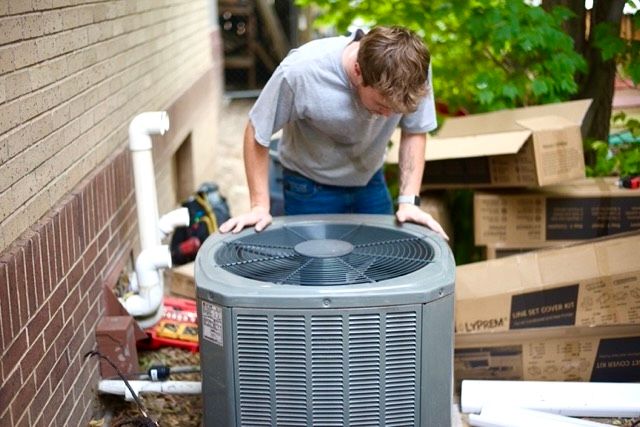
A correctly sized, installed, and commissioned air conditioner delivers reliable comfort, lower energy bills, fewer repairs, and longer equipment life. Compass Heating and Cooling focuses on right-sizing and high-quality workmanship so your new system performs optimally in Windsor’s climate.
Common air conditioning installation scenarios in Windsor
Homeowners in Windsor typically pursue installations for one of these reasons:
- Replacing an old or failing air conditioner that frequently needs repairs.
- Upgrading to a higher efficiency or variable-speed system to reduce energy bills.
- Converting from a compressor-based system to a heat pump for year-round efficiency.
- Completing a new construction or major renovation where ductwork and equipment need to be installed.
- Adding cooling for an addition, finishing a basement, or improving zones with a ductless mini-split.
Each scenario has distinct considerations. Compass Heating and Cooling assesses your specific needs, home layout, and budget during the free onsite consultation to recommend the appropriate solution.
Free onsite consultation and accurate load calculations
Every Compass installation begins with a no-cost onsite consultation. This step is critical to avoid common mistakes like undersizing or oversizing equipment.
What the consultation includes:
- Visual inspection of home orientation, roof shading, insulation levels, window types, and attic conditions.
- Assessment of existing ductwork, registers, and return pathways.
- Electrical service and breaker panel inspection to confirm capacity for the new unit.
- Conversation about comfort priorities, budget, and efficiency goals.
Load calculation and what it means:
- We perform a detailed load calculation to determine the correct system size for your home. This is commonly known in the industry as a Manual J calculation. It considers square footage, ceiling heights, insulation R-values, window sizes and orientation, number of occupants, and local climate data for Windsor.
- Proper load calculation prevents oversized systems that short-cycle and undersized systems that struggle to maintain comfort. Right-sized equipment runs efficiently, delivers consistent temperatures, and reduces wear and tear.
Selecting the right energy-efficient model for Windsor homes
Selecting the right model involves matching comfort needs, efficiency preferences, and budget. Compass Heating and Cooling helps you choose from energy-efficient options that perform well in Windsor’s climate.
Factors considered:
- SEER and HSPF ratings: Higher SEER delivers greater cooling efficiency. In Windsor’s hot months, higher efficiency saves on monthly energy bills.
- Variable-speed or multi-stage compressors: These provide smoother temperature control and better humidity management during shoulder seasons.
- Heat pump options: For homeowners interested in an all-electric solution, modern heat pumps offer both cooling and heating with excellent efficiency in Northern Colorado.
- Ductless mini-splits: Ideal for additions, bonus rooms, or homes without adequate ductwork. They provide targeted comfort and can be more efficient than extending existing duct systems.
- Air quality and humidity controls: Options to integrate whole-home filtration, UV lights, or dehumidification, depending on indoor air needs.
We also review manufacturer warranties, expected operating costs, and equipment longevity so you can evaluate total cost of ownership.
Professional removal and responsible disposal of old equipment
When replacing an existing system, professional removal is essential for safety and environmental compliance:
- Refrigerant recovery: All refrigerant must be recovered using certified equipment and handled in accordance with EPA regulations. Compass technicians are trained to safely recover and reclaim refrigerant.
- Safe disconnection of electrical and gas (if present): Proper lockout procedures protect technicians and your home.
- Disposal or recycling of components: Old compressors, coils, and refrigerant are disposed or recycled per local codes.
- Preparing the site: We ensure the pad, condensate drainage, and surrounding area are ready for the new unit.
Removing the old system correctly avoids leaks, electrical hazards, and code violations.
Step-by-step installation process
Compass Heating and Cooling follows a clear, methodical installation workflow so homeowners know what to expect. Typical steps include:
Pre-install preparation
- Confirm final equipment selection and parts list.
- Secure necessary local permits and scheduling.
- Protect floors, landscaping, and interior work areas.
Ductwork and electrical upgrades
- Inspect and repair or modify ductwork for proper airflow and sealing.
- Install return pathways or additional registers if required.
- Upgrade electrical circuits, start relay, or disconnects if necessary to meet equipment requirements and local electrical code.
Setting the outdoor unit
- Install a level, vibration-damped pad for the condensing unit.
- Position unit to allow proper airflow and service access, considering Windsor wind and snow patterns.
- Run refrigerant lines and secure with proper insulation and protection.
Indoor unit installation
- Mount evaporator coil or air handler, secure to platform or framing.
- Connect refrigerant lines, condensate drain, and electrical controls.
- Ensure indoor unit is accessible for future service and filter changes.
Refrigerant charging and system integration
- Evacuate lines with vacuum pump and test for leaks.
- Charge the system to manufacturer specifications based on measured line lengths and load conditions.
- Integrate with thermostats and home controls, including smart thermostat compatibility if requested.
Final sealing and insulation
- Insulate refrigerant lines and seal any penetrations where ductwork, lines, or wiring pass through walls.
- Ensure all work areas are cleaned and restored.
Throughout the installation, technicians follow manufacturer installation guidelines and local codes to preserve warranties and ensure safe operation.
Commissioning and post-installation testing
A complete installation is not finished until the system is commissioned and tested. Compass technicians perform detailed checks to verify performance:
- System startup and safety checks: Confirm proper electrical connections, fuses, safety switches, and compressor operation.
- Airflow and static pressure testing: Measure airflow across the coil and verify ductwork is delivering required cubic feet per minute (CFM).
- Temperature split measurement: Check the temperature difference between supply and return to confirm proper cooling performance.
- Refrigerant pressure and charge verification: Measure suction and discharge pressures to ensure correct refrigerant charge for optimum efficiency.
- Electrical draw and amp testing: Verify compressor and fan motor currents are within manufacturer specifications.
- Condensate drainage test: Confirm condensate drains freely and float switches or secondary drains are functional.
- Thermostat calibration and programming: Ensure the thermostat accurately controls setpoints and schedules.
After testing, the technician documents results and explains findings to the homeowner, including recommended adjustments for best comfort and efficiency.
Warranty, registration, and payment options
New air conditioning systems include manufacturer warranties and local labor warranties. Compass Heating and Cooling helps you understand and manage those protections.
Warranty and registration details:
- Manufacturer warranty: Typically covers major components such as compressors and coils for a set term. Registration may extend coverage, so Compass assists with timely registration.
- Labor warranty: Compass provides labor coverage for installation workmanship for a defined period. This protects against installation-related failures.
- Extended warranties: Options to extend parts and labor coverage are available through manufacturers or third-party plans.
Payment options:
- Compass reviews typical payment options structures and warranty tradeoffs during the consultation, so you can match payment plans to long-term savings.
Compass works to present transparent warranty and payment options information so you understand long-term value and protection without surprises.
What to expect on installation day
On the day of installation, Compass technicians aim to deliver a professional, respectful experience:
- Arrival in marked company vehicles with proper identification.
- Work area protected with floor coverings and plastic where needed.
- Clear explanation of the work sequence and project timeline.
- Regular updates as work progresses and a final walkthrough when complete.
- Instruction on system operation and maintenance tasks before leaving the property.
Professional conduct and cleanup are part of delivering a smooth installation experience for Windsor homeowners.
Operation and maintenance guidance for lasting performance
After installation, homeowner care preserves efficiency and prevents unnecessary service calls. Compass provides practical guidance you can use daily or seasonally.
Everyday operation tips:
- Set thermostats to reasonable setpoints. Each degree lower in summer increases energy use. Use programmable or smart thermostats to shift setpoints when you are away.
- Use ceiling fans to improve perceived comfort and allow modestly higher thermostat setpoints.
- Keep supply vents and returns clear of furniture, curtains, or debris.
- Shade outdoor units from direct afternoon sun where possible without restricting airflow.
Seasonal maintenance checklist:
- Replace or clean filters monthly or per manufacturer recommendations to maintain airflow and indoor air quality.
- Schedule annual tune-ups in spring: inspect refrigerant levels, clean coils, lubricate moving parts, test safety controls, and verify electrical connections.
- Inspect condensate drain and trap monthly and clear any slow draining to prevent overflow issues.
- Check attic and duct insulation and seal leaky ducts to improve efficiency and balance.
- For heat pumps, ensure defrost cycles and reversing valves are operating correctly across shoulder seasons.
Long term care:
- Keep landscaping and vegetation trimmed away from the outdoor unit to provide adequate airflow and prevent debris buildup.
- Maintain service records and any installation documentation to preserve warranty eligibility.
- Enroll in a maintenance plan such as the Compass Club Service Plan to schedule regular inspections, receive priority service, and extend the life of the system.
Proper, routine maintenance typically prevents premature failure and supports manufacturer warranty compliance.
Why energy efficiency and proper sizing save money in Windsor
Windsor homeowners benefit flexible payment arrangements and comfort-wise from systems that match home demand and prioritize efficiency:
- Lower monthly energy bills during hot months when cooling demand is highest.
- Reduced compressor cycling leads to fewer repairs and longer equipment life.
- Better humidity control and comfort, especially during mid-summer storms and high solar gain afternoons.
- Potential eligibility for rebates or incentives through utilities or manufacturers when choosing high-efficiency equipment.
Compass Heating and Cooling helps you weigh upfront costs against projected energy savings so you can pick equipment that makes sense for your home and long-term budget.
Typical issues we correct during installations
Many installations uncover existing problems that, when addressed, produce better results:
- Undersized or deteriorated ductwork that causes uneven airflow.
- Electrical service limitations that require circuit upgrades for safe operation.
- Old thermostats that cannot communicate correctly with modern multi-stage or variable-speed equipment.
- Inadequate condensate drainage or improperly pitched drain lines that risk water damage.
- Poor attic insulation or air leaks that increase cooling loads.
Compass technicians identify and document these items during the consultation and propose solutions that align with your goals.
Post-installation support and what Compass provides
After the system is installed and commissioned, Compass focuses on ongoing customer support:
- Clear owner orientation including filter types, recommended replacement intervals, thermostat tips, and system start and shutdown procedures.
- Documentation of installation parameters and test results for your records.
- Guidance on warranty registration and coverage.
- Options to enroll in the Compass Club Service Plan for scheduled maintenance, waived service fees, and discounts on repairs.
This ongoing support helps ensure your system continues to operate reliably in Windsor’s seasonal extremes.
Energy-saving habits and home improvements that complement a new AC
A new air conditioner works best when combined with other efficiency measures:
- Upgrade attic insulation and seal air leaks around windows and doors to reduce heat gain.
- Install energy-efficient windows or apply solar film on west-facing glass.
- Add programmable shades or awnings on sunniest facades to reduce afternoon solar load.
- Use ceiling fans to reduce perceived temperature and allow higher thermostat setpoints.
- Consider zoning or additional ductwork to cool only occupied areas.
These improvements reduce cooling load, letting your system run less and last longer while improving comfort.
FAQ
Q: How long does a typical air conditioning installation take in a single-family Windsor home?
A: Most complete system replacements are completed in one to two days depending on the scope. Simple condensing unit swaps may be finished in a few hours, while jobs requiring ductwork modifications, electrical upgrades, or new pad installation can take longer.
Q: Will I need a permit for an air conditioning installation in Windsor, CO?
A: Many installations require local permits and inspections to meet electrical and mechanical codes. Compass Heating and Cooling verifies permit requirements and coordinates them as part of the installation process.
Q: How is system sizing determined for my Windsor home?
A: Compass performs a detailed load calculation that accounts for home size, insulation, window orientation, occupancy, and Windsor climate data. Proper sizing prevents short cycling or underperformance.
Q: What maintenance is required to keep my new AC efficient?
A: Replace filters on schedule, schedule annual professional tune-ups, keep condensate drains clear, ensure outdoor unit is free of debris, and verify ducts and insulation are in good condition.
Q: Can a heat pump be a good option for Windsor homes?
A: Yes. Modern heat pumps offer efficient cooling and heating year-round and can be a strong option for Northern Colorado when sized and installed properly. Compass can evaluate whether a heat pump fits your comfort and efficiency goals.
Q: What warranties are included with a new installation?
A: New equipment comes with manufacturer parts warranties and Compass provides labor warranty coverage for installation workmanship. Compass assists with warranty registration and explains options for extended coverage.
Q: How soon after installation will my new system deliver better comfort?
A: Properly installed and commissioned systems begin improving comfort immediately. Performance and efficiency are maximized when the system has been tested, refrigerant charge verified, and ductwork balanced.
By focusing on accurate load calculations, energy-efficient equipment, professional removal of old units, precise installation, and rigorous commissioning, Compass Heating and Cooling ensures your air conditioning installation in Windsor, CO meets the demands of local summers and provides reliable comfort year after year.
Related Home Comfort Services
If your system is beyond repair, you may want to consider AC Maintenance in Windsor; CO. We also offer AC Repair in Windsor; CO. For homes that need additional attention, check out our Furnace Installation in Windsor; CO options. Learn more about our full ac installation services, or view all air conditioning options. See all the services in windsor; co we provide.
hear what our satisfied clients have to say
Our clients consistently praise our exceptional service and attention to detail. They appreciate the personalized approach we take to meet their unique needs, ensuring satisfaction every step of the way.
.png)